
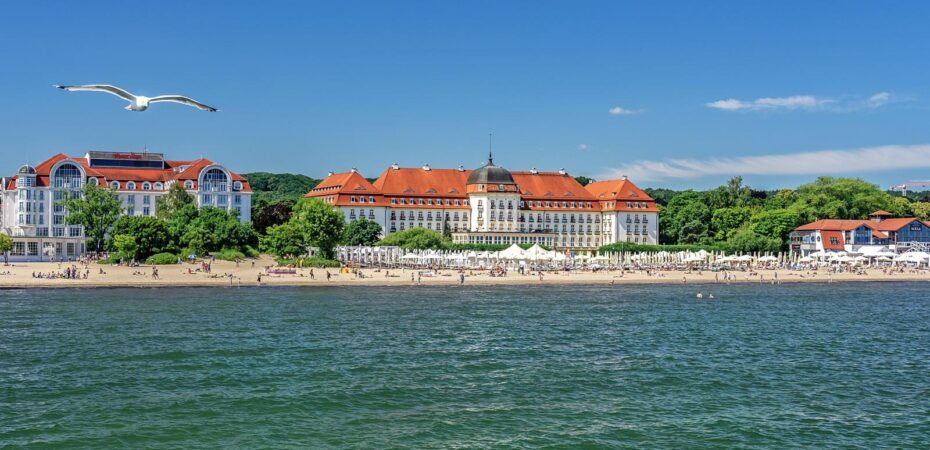
Gdansk is often treated as a quick city break: a handsome old town, waterfront restaurants, amber shops and an easy flight from the UK. Yet, it can also be the starting point for something broader – a Baltic coast holiday with beaches, forest walks, seaside towns and historic day trips.
That is part of the appeal. You can spend one day among brick churches and riverside cafés, then the next beside the sea in Sopot, on the Hel Peninsula or exploring a castle inland.
So, if you have three or four days, should you stay in the city centre – or use Gdansk as a launch point for a proper coastal escape?
Why Gdansk Works As More Than A Weekend City Break
Gdansk has everything you need for a successful short break. The historic centre is compact, the dining options offer good value for money compared to many better-known European seaside resorts, and the airport is close to the city and offers car hire services. Gdansk Airport handled 7,393,016 passengers in 2025, which shows just how rapidly this northern Polish gateway to the world is developing.
For a first day, you can keep things simple:
- walk along Długi Targ and the Long Embankment
- stop for lunch near the Motława River
- visit the European Solidarity Centre for a more profound look at the city’s modern history
- end the evening with dinner in the old town
However, you don’t need to travel far – or change your itinerary – to turn your city break into a proper seaside holiday. Gdansk is part of a unique coastal trio known as the Tri-City, seamlessly connected to neighbouring Sopot and Gdynia.
This means you can easily broaden your travel horizons. All it takes is a short, effortless trip around this compact region to discover a whole new world of sandy beaches, picturesque piers, modern marinas, woodland trails and bustling summer promenades.
Add the Hel Peninsula, Malbork Castle or quieter stretches of the Baltic shoreline, and you have enough variety for a long weekend that feels much bigger than the flight time suggests.
Good to know: Gdansk, Sopot and Gdynia are often described together as the Tricity, but each has a different feel. Gdansk is historic, Sopot is resort-like, and Gdynia is more modern and maritime.
How The Baltic Coast Compares With A Uk Seaside Stay
A UK coastal trip can be simple if you live within driving distance of the sea. It becomes less simple when rail tickets, fuel, accommodation and peak-season demand all rise at once.
Northern Poland offers a different balance. It will not guarantee Mediterranean heat, and the Baltic Sea is cooler than southern European waters. Yet, that can be part of the attraction if you prefer active days, sightseeing, and fresh coastal air over lying still in intense heat.
The Polish Baltic coast works well if you’d like:
- beach time without committing to a full resort holiday
- a city break with coastal add-ons
- lower everyday costs than many Western European destinations
- culture, food, and history within easy reach of the sea
- a trip that can adapt when the weather changes
For UK travellers used to Cornwall, Devon, Wales, or the Scottish coast, northern Poland has a familiar coastal rhythm in some ways: sea air, sandy walks, changeable weather and small resort towns. The difference is the setting.
Here, you get Hanseatic architecture, Polish food, amber markets, forests, and a coastline that still feels overlooked by many British visitors.
What Makes Sopot Worth The Short Trip
Sopot is the easiest seaside extension from Gdansk. It is close enough for a relaxed day out, but different enough to make the trip feel less urban.
The town is known for its long wooden pier, broad beach and lively central street, Monte Cassino. In summer, it has the energy of a classic resort. Outside peak season, it is quieter and better suited to walks, cafés and sea views.
A simple Sopot day might include:
- a late breakfast in Gdansk
- a beach walk in Sopot before midday
- lunch near the pier
- a short walk around the Fishermen’s Harbour or Monciak, the bustling pedestrianised street
- dinner back in Gdansk or Gdynia
Travel tip: If your time is limited, Sopot is usually the simplest beach choice. It gives you the seaside feeling without requiring a full-day expedition.
When To Go Further: Hel, Gdynia And Malbork
Once you have seen Gdansk and Sopot, the question becomes how far you are eager to explore.
Gdynia is a good choice if you like waterfront walks, ships, museums and a more modern city feel. It is less postcard-like than Gdansk, but it adds another layer to the region. It also works well if you want a coastal day without going too remote.
The Hel Peninsula feels more adventurous. Long, narrow and surrounded by water, it gives you beaches, dunes, pine forests and small coastal settlements. Here, you can take part in feeding the seals or admire the panoramic view of the area from the lighthouse. It’s particularly appealing to water sports enthusiasts, including windsurfers. In summer, journey times may be longer due to heavy traffic.
Malbork, on the other hand, is an entirely different option. It’s a history lesson. It takes you inland rather than to the beach, but its vast brick castle makes it one of the strongest day trips from Gdansk. Likewise, it is a suitable alternative if the forecast looks windy or wet.
Quick comparison:
- Sopot: easiest beach day
- Gdynia: waterfront, museums and modern city energy
- Hel Peninsula: dunes, long beaches and a road-trip feel
- Malbork: history-heavy day out when beach weather is uncertain
Getting Around Without Losing Half The Trip
Public transport works well inside the Tricity area, especially between Gdansk, Sopot and Gdynia. For a city-and-Sopot break, trains and local transport may be enough.
The situation changes when you want to combine several places in a short time. Many coastal or inland spots sit roughly 30-80 km from Gdansk Airport, depending on the route. That distance is manageable, but it still needs planning.
If your plan includes Hel, Malbork, quieter beaches or multiple stops in one day, it may be worth comparing trains, transfers and driving before you travel. A local car can give you more control over the route, especially with family luggage, beach bags or an early flight home.
When a car makes sense on a Baltic coast break
A car becomes more useful when you want to move beyond the main urban corridor. This applies especially if your itinerary includes:
- the Hel Peninsula
- Malbork Castle
- quieter beaches outside the main resorts
- countryside restaurants
- smaller coastal villages
- more than one stop in a single day
On a short stay, timing matters. One missed connection or a long wait between trains can take away a large part of the day. Driving gives you more control over when you leave, where you stop and how long you spend in each place.
For travellers who decide that driving fits their itinerary, Kaizen Rent offers car hire directly at Gdansk Airport, so you can collect your vehicle as soon as you land and continue towards the coast without an extra transfer.
This can be useful if you are arriving with family luggage, planning several stops in one day or catching an early return flight and want a straightforward route back to the terminal.
A Simple Three-Day Plan For A Coastal Gdansk Break
A short trip works best when it has shape. You do not need a packed itinerary, but it helps to decide what each day is for.
Day one: Gdansk and the waterfront
Keep the first day city-focused. Explore the old town, walk by the river, and settle into the pace of the city. Even if your flight lands late, all is not lost. If luck is on your side, you’ll be able to admire a Baltic sunset on your very first evening – and they’re exceptionally beautiful.
Day two: Sopot and the easy seaside escape
Use the second day for Sopot. It is close, scenic, and simple. You can make it a half-day if the weather is mixed, or stretch it into a full day if the beach is pleasant.
Add Gdynia if you want more waterfront variety, but do not rush it. The Tricity works better when you leave time for slow walks and unplanned stops.
Day three: choose your bigger outing
Use the final full day for the trip that requires more time. Pick Hel if the weather is clear and you want open coastal scenery. Choose Malbork if you want history or the forecast looks uncertain.
This approach gives the trip balance: city, beach, then a bigger regional experience.
How To Keep Costs Under Control
Northern Poland can be good value, but the final cost still depends on timing and travel style. Summer weekends, beachside hotels and last-minute bookings will push prices up.
To keep the trip affordable:
- travel outside the busiest school holiday weeks when possible
- stay in Gdansk and visit the coast during the day
- use local restaurants away from the main tourist streets
- book airport transport or car hire before arrival
- choose one bigger day trip instead of trying to do everything
Accommodation in central Gdansk can be a smart base because it gives you evening atmosphere without needing to stay directly beside the beach. Sopot is attractive, but prices can rise quickly in peak season.
Small saving: lunch menus and casual Polish restaurants can often offer better value than waterfront dining in the most obvious tourist spots.
What To Pack For The Baltic Coast
The Baltic coast rewards flexible packing. Even in summer, the weather can change quickly, and evenings may feel cooler than expected.
Useful items include:
- light layers
- a windproof or waterproof jacket
- comfortable shoes for cobbled streets and coastal paths
- swimwear, even if the sea feels cool
- a small day bag for beach trips
- sunglasses and sun protection for bright coastal days
This is not a destination where every day needs to revolve around sunbathing. Pack for walking, eating, exploring and switching plans when the weather changes.
Why This Trip Works For Uk Travellers
Gdansk gives UK travellers a useful mix: short flights, a historic city, a nearby coast and enough variety for three or four days. It feels different from a domestic seaside stay, but it does not require the planning effort of a long-haul trip.
It also suits travellers who like practical holidays. You can build your days around weather, energy, and budget. Stay in the city when it rains. Head to Sopot when the sun appears. Go further when you want a proper day out.
That flexibility is the real strength of the region.
A short Gdansk break does not have to stop at the old town. With the right plan, it can become a compact Baltic coast holiday: one day for historic streets, one for Sopot’s beach, one for Hel, Gdynia or Malbork. Choose a base, keep the route realistic and leave space for the sea to set the pace.
FAQ
Is Gdansk suitable for a beach holiday?
Yes, if you treat it as a coastal base rather than a classic beach resort. The city itself gives you history, restaurants and culture, while nearby Sopot, Gdynia and the Hel Peninsula add the seaside element.
How many days do you need for Gdansk and the Baltic coast?
Three days are enough for Gdansk, Sopot and one larger day trip. Four or five days give you more breathing room, especially if you want to visit Hel, Malbork or quieter beaches outside the Tricity.
Is the Baltic Sea warm enough for swimming?
It depends on the season and your tolerance for cooler water. July and August are the best months for swimming, but many visitors come for beach walks, cycling, food and scenery rather than long swims.
Is Gdansk cheaper than a UK seaside break?
It can be, especially for food, local transport and some accommodation. Flight prices, travel dates and hotel location will make the most significant difference, so it is worth comparing total trip cost rather than only the airfare.
Where should you stay: Gdansk or Sopot?
Choose Gdansk if you want restaurants, history and easier evening options. Choose Sopot if your main priority is staying close to the beach. For a first visit, Gdansk is usually the more flexible base.
Can you visit the Hel Peninsula in one day?
Yes, but it is best treated as a full-day trip. In summer, allow extra time for traffic and avoid planning too many additional stops on the same day.
What is the best time to visit Poland’s Baltic coast?
Late spring, summer and early autumn work best. July and August are the warmest and busiest months, while May, June, and September are often better for sightseeing, walking and lower crowds.
 By Gregory O'Neill
Greg is a modern-day explorer with an insatiable love for travel. His passion for adventure has led him to far-flung corners of the world, where he immerses himself in diverse cultures and experiences. Greg's zest for life is epitomized by a continuous pursuit of new horizons and captivating journeys.