
There was a time when the word timeshare conjured a very specific, uninspired image: a mid-tier resort condo in Central Florida, a fixed folder of paper deeds, aggressive two-hour sales presentations, and a rigid commitment to the exact same week in October, year after painful year.
For the mid-century traveler, perhaps that predictability was comforting. For today’s global explorer, accustomed to booking last-minute flights from an iPhone, chasing remote-work sunsets, and demanding architectural distinction, that legacy framework isn’t just dated; it’s an artifact.
Yet behind the scenes, a quiet transformation has swept through the luxury hospitality landscape.
Driven by the demands of digital nomads, multi-generational travelers, and point-and-mile strategists, vacation ownership has stripped away its legacy constraints to emerge as something entirely different: a high-design, points-backed lifestyle passport.
The death of the fixed week
The most decisive shift in modern vacation clubs is the absolute abandonment of fixed calendar dates. Today’s traveler rarely knows where they will want to be next month, let alone next autumn.
In place of static deeds, modern systems rely on fluid points currencies. Members hold an annual pool of points that act like private travel equity.
One year, those points fuel a two-bedroom ski-in/ski-out chalet in Aspen for a long weekend with friends; the next, they are split between an oceanfront studio in Kauai and a high-rise sanctuary overlooking Central Park.
Unit sizes, lengths of stay, and geographical footprints adapt dynamically to the member’s life stage, bringing the fluid agility of frequent flyer programs into the luxury residential space.
Modern security in an era of transparency
Historically, the industry’s greatest friction point wasn’t the resort experience itself, it was the opaque secondary market and the predatory third-party resale brokers targeting legacy owners.
As major global hospitality brands took over the space, they recognized that true luxury requires absolute operational transparency.
Modern ownership networks now maintain dedicated internal security divisions to protect their communities from fraudulent exit operations and deceptive third-party schemes.
For prospective buyers navigating the space today, reviewing verified resources like timeshare scam protection for members is a standard first step. By instituting direct exit pathways and working alongside consumer advocate groups, top-tier brands like Club Wyndham have replaced the uncertainties of the past with clear, documented safety rails.
The End of the Beige Condo: Architectural Revival
The massive rise of independent home-sharing platforms over the last decade proved one undeniable fact: modern travelers crave highly functional, beautifully designed living spaces.
We want deep soaking tubs, expansive Chef’s kitchens where we can pour a local wine, proper dining tables for late-night conversations, and multiple private bedrooms.
However, the home-sharing boom also exposed the quiet, exhausting frustrations of unmonitored rentals.
There is the anxiety of keyless entry pads failing at midnight in a foreign city, the reality of non-existent concierges when the air conditioning dies, and the inevitable disappointment of arriving at a property to find that the wide-angle, heavily edited listing photos hid a multitude of sins.
Modern vacation clubs occupy the perfect, elusive sweet spot directly between an upscale apartment and a five-star hotel.
The aesthetic has completely shifted.
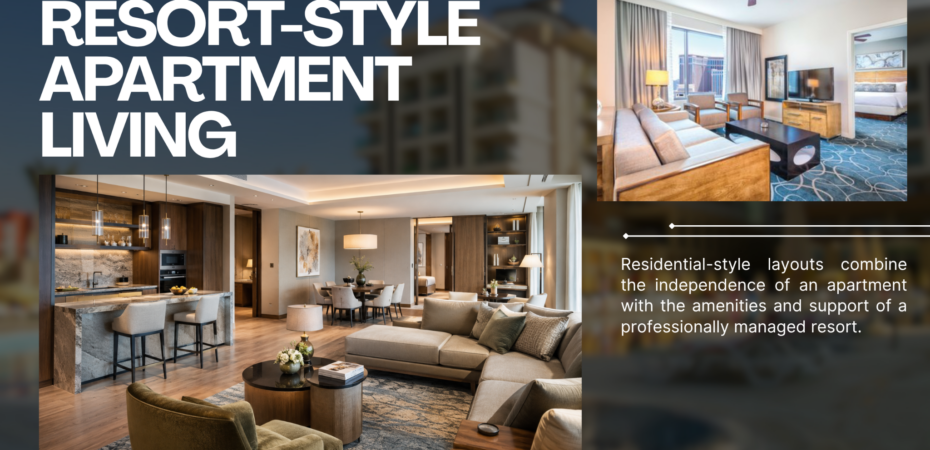
Gone are the floral bedspreads and heavy, dated mahogany furniture. Today’s club suites feature minimalist, sun-drenched living rooms, high-end stainless steel appliances, quartz countertops, and espresso machines. Yet, this residential independence is paired with the formidable infrastructure of a mega-resort.
You have infinity pools, full-service spas, sprawling golf courses, 24-hour front desks, and meticulous daily housekeeping.
The modern owner retains all the space and privacy of a secluded luxury residence, without ever sacrificing the polished, frictionless security of a world-class hospitality brand.
Seamless digital mobility
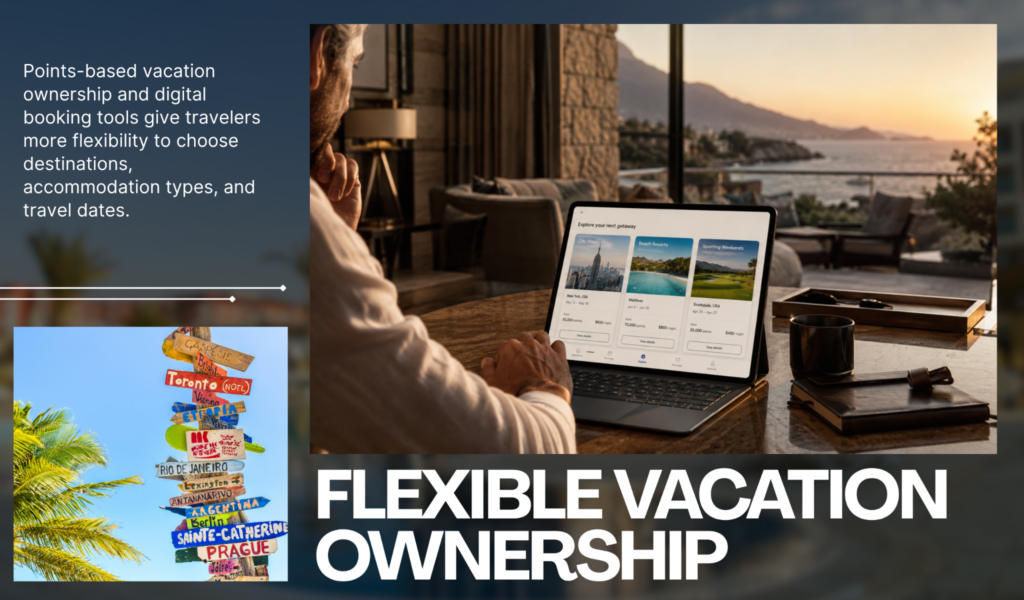
The era of calling a toll-free number, waiting on hold for an hour, and waiting for physical paper vouchers to arrive in the mail is thoroughly dead. Today’s owner manages their entire global portfolio through intuitive, real-time mobile applications.
With a few taps, members can instantly lock in seasonal inventory, deposit unused points into global exchange networks like RCI or Interval International, or convert their equity into curated luxury experiences, from Mediterranean yacht charters and safari expeditions to VIP access at major culinary festivals.
It’s an ecosystem designed for spontaneity, allowing travelers to pivot their plans as fast as their schedules evolve.
A New Standard for living on the move
Ultimately, the reinvention of vacation ownership reflects a broader cultural truth about how we view the world today. We no longer travel simply to escape our daily lives for one week a year; we travel to live our lives dynamically, in different corners of the globe, on our own terms.
By fusing high-end residential design, fiercely protected consumer transparency, and boundless digital flexibility, today’s hospitality brands have rescued the concept of “owning a piece of paradise” from the history books.
They have transformed it into a sophisticated, vital tool for the contemporary wanderer.
 By Amey Myers


