
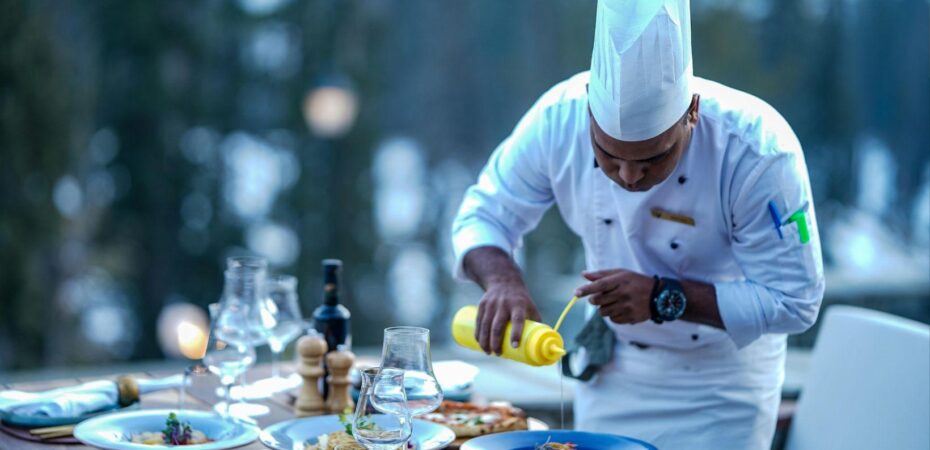
A birthday dinner at a chain restaurant and a birthday dinner at a chef-driven restaurant are not the same thing, even if the price tags come close. One is a transaction. The other is an event. That distinction is exactly why more people are skipping familiar names and seeking out restaurants where a real culinary perspective shapes every plate.
The Difference Between Dining Out and Dining Well
Eating out happens all the time. Dining well is a different category. The gap between the two has never been clearer, and people are increasingly aware of it when planning a celebration.
According to US Foods' Diner Dispatch survey, atmosphere, socialization, and special occasions rank as the top reasons people choose to eat at a restaurant rather than order in, with atmosphere leading the list. That priority shift matters. When the occasion carries weight, a room that feels generic or a menu that reads like a corporate spreadsheet undercuts the whole point of going out. Chef-driven restaurants solve this problem at the source. The food has a voice. The space reflects a vision. The experience feels deliberate rather than assembled.
That deliberateness is what separates a meal people remember from one they forget by the following week.
Seasonal Menus Create Better Experiences
A menu that changes with the seasons is not a marketing choice. It is a culinary one, and guests notice the difference even when they cannot name it.
Freshness Shows Up on the Plate
Ingredients sourced at peak season taste better. A tomato in August and a tomato in February are not the same ingredient. Chefs who build their menus around what is available right now are working with produce, proteins, and herbs at their best, and that quality comes through directly in the dish.
The Menu Tells a Story
Seasonal menus give a restaurant a reason to evolve. A returning guest who visited in spring and comes back in autumn is not reading the same list. They are experiencing the restaurant's perspective on a different moment in the year. That continuity across visits builds a relationship between the diner and the kitchen that a static menu never creates.
Sourcing Becomes Transparent
Today's restaurant guests are more knowledgeable and food-savvy than ever, with genuine interest in where everything on the menu comes from, produce and protein alike. Chef-driven kitchens tend to name their farms, their fishermen, and their purveyors. That transparency is not a trend. It is a reflection of how seriously those kitchens take the sourcing decisions that shape every dish.
Service Is Part of the Meal
A server who knows the menu well enough to describe how a dish is prepared, suggest a wine pairing without hesitation, or explain why the chef chose a particular cut is not a luxury. At a chef-driven restaurant, that level of knowledge is the baseline.
Good service here is not scripted. It is trained. Staff understand the food because the kitchen culture demands it. When a guest asks about an unfamiliar ingredient or wants to understand the tasting menu progression, the answer comes from genuine familiarity, not a laminated card. That confidence puts people at ease and makes the meal feel guided rather than transactional.
For a special occasion, this matters more than people often realize before they experience it. The right server can pace a meal so it breathes, catch a dietary need before it becomes a problem, and read the table well enough to know when to step back. That attentiveness is part of what guests are paying for. And it is a big part of what they remember.
Why Ambiance Changes the Experience
The physical environment of a restaurant shapes how food tastes and how people feel while they eat. This is not subjective sentiment. Lighting, acoustics, table spacing, and material choices all influence whether guests feel relaxed or rushed, intimate or exposed.
Chef-driven restaurants tend to be designed with intention. The space usually reflects the same philosophy as the menu: specific, considered, not interchangeable with anything else. A well-designed dining room in a chef-owned restaurant does not look like a template. It looks like a place someone thought carefully about.
For a milestone birthday, a graduation dinner, or an anniversary, that atmosphere carries real weight. Guests are not just marking an occasion with food. They are creating a memory inside a specific space, and the room they are in becomes part of the story they tell afterward.
Finding a Restaurant Worth Celebrating
Not every restaurant that calls itself chef-driven earns the label. The ones that do tend to share a few qualities: a menu that reflects a genuine point of view, a staff that can speak to the food with authority, sourcing decisions that show up in the flavor of the dish, and a room that feels built for the experience rather than the square footage.
A strong majority of fine dining guests actively prefer independent establishments over upscale national chains which reflects a broader appetite for restaurants with a real identity. A place like Prelude, a fine dining restaurant built around a clear culinary perspective, represents exactly what that preference points toward. Independent, chef-focused, and designed around the kind of occasion that deserves more than a predictable menu.
Knowing what to look for makes the search easier. Read the menu carefully. If it sounds like it could belong to any restaurant in any city, keep looking. If it reflects a specific season, a sourcing relationship, or a culinary point of view that could only come from one kitchen, that is a good sign. Check whether the staff can describe dishes in detail. Look at the room in photos. These details tell the story of whether a restaurant takes the experience seriously or just the reservation.
The Takeaway
Special occasions deserve restaurants that treat the meal as more than a service transaction. Chef-driven dining has grown because guests have learned the difference between a place that feeds them and a place that actually cooks for them. The next celebration on the calendar is worth spending a little more time finding the right room, the right menu, and the right kitchen to mark it properly.
 By
By 


