
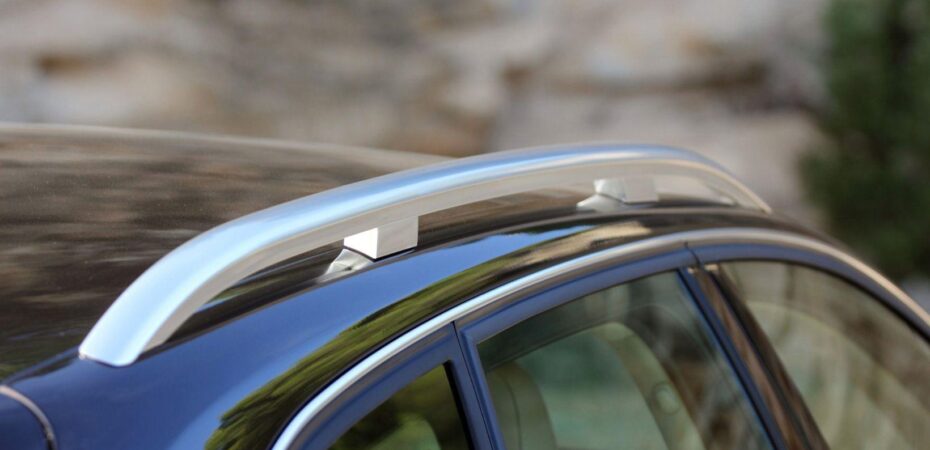
Space disappears quickly once a trip begins. Bags pile up, gear gets wedged into corners, and suddenly the cabin feels tighter than expected. That unused area above the roof starts to make more sense in those moments. Choosing the right setup for roof racks for cars is less about adding storage and more about changing how the whole vehicle functions when it is loaded for real use. It shifts pressure away from the interior and redistributes it somewhere far less intrusive. There is a trade-off, though. What you gain in space, you introduce in weight and airflow.
Creating More Room Without Compromising Comfort
Interior space tends to carry everything by default. That is fine for short drives, less so for longer trips where comfort starts to matter. Moving bulky items to the roof frees up legroom and keeps sightlines clear through mirrors and rear glass. That alone can change how a drive feels, reducing that cramped sensation that creeps in after an hour or two.
It also separates clean and dirty gear, which becomes more relevant after a day outdoors. Short trips hide the problem. Longer ones expose it. And once you get used to that separation, it is hard to go back to packing everything inside again.
Tailoring Your Setup To Specific Activities
There is no single rack setup that fits every situation. Crossbars provide a base for attachments. Bike mounts, kayak holders, ski carriers. They are modular, which suits people whose activities shift throughout the year. Platform racks take a different approach, offering a flat surface that can hold a wider range of gear without needing specialised mounts.
Cargo boxes sit somewhere in between. Enclosed, aerodynamic, and useful for protecting luggage from weather. Though they come with their own limitations in size and flexibility. The right choice usually reveals itself once you think about what gets packed most often rather than what might be useful once or twice.
Weight Distribution And How It Changes Driving Feel
Adding weight to the roof changes the vehicle’s balance. That is unavoidable. Higher loads raise the centre of gravity, which affects cornering and stability, particularly in crosswinds or during sudden braking. It is not always obvious at lower speeds, though it becomes more noticeable on highways or winding roads.
There is also the difference between static and dynamic weight limits. A rack may support more weight when the vehicle is stationary than it can safely carry while moving. That distinction is easy to miss, yet it plays a big role in how gear should be loaded.
Pack lighter items above. Keep heavier loads lower if possible. Small adjustments, though they influence handling more than expected.
Aerodynamics And The Cost Of Drag
As mentioned earlier, roof racks interrupt the smooth path of air over a vehicle, creating resistance that can increase fuel use. The effect varies depending on design. Square bars tend to create more drag, while shaped profiles reduce turbulence and noise.
Positioning matters as well. Slight adjustments forward or back can change how air moves across the roof, sometimes reducing that persistent hum that develops at speed.
It is not always a deal-breaker. Still worth considering if long drives are part of the routine.
Protecting Vehicle Finish And Structural Integrity
A rack system relies on how it is fitted just as much as the design itself. Vehicles are built with reinforced mounting points, even if they are not immediately visible. Using those points spreads load properly and avoids stress on weaker sections of the roof. Skip that step, and pressure can concentrate in the wrong places.
Rubber pads, correct torque settings, and proper alignment all play a part. They protect paint, maintain stability, and prevent movement once the rack is loaded. And once everything is secured properly, the system tends to stay consistent without constant readjustment.
Final Thoughts
Using the roof for storage changes how a vehicle works day to day. It opens space, simplifies packing, and makes longer trips feel more manageable.
At the same time, it introduces new considerations. Weight, airflow, and installation all shape the outcome. When those pieces line up, the setup feels natural, almost like an extension of the vehicle rather than an add-on.
 By Amey Myers


