

Road trip meals can be fresh, satisfying, and memorable without adding hours to your travel schedule. A cooler, a few compact tools, and a flexible meal plan can turn an ordinary rest stop into a picnic worth lingering over.
The trick is to match your menu to the trip. Foods for the first day can be more perishable, while shelf-stable ingredients cover the later miles. Leave some room for local discoveries too. Those unexpected farm stands and regional markets often provide the best meals of the drive. Embrace the serendipity of these local treasures, as they often inspire entire culinary trips centered around regional flavors and unique food experiences.
Planning for Gourmet Travel
Start with a simple meal map based on your route, overnight stops, and access to refrigeration. You don’t need to assign a precise dish to every hour. Decide which meals you’ll prepare, which ones you’ll buy locally, and when you’ll probably want the ease of a restaurant.
A three-day trip might include a packed lunch on day one, a picnic assembled from a local market on day two, and a hotel-room breakfast on day three. Guides to healthy travel foods can help you build a list of items that hold up in coolers, hotel rooms, and vacation rentals.
Prep ingredients in useful portions before leaving home. Wash fruit, slice firm vegetables, and divide sauces into leak-resistant containers. Cooked grains can be chilled and packed for an early meal, while nuts, crackers, and dried fruit can fill gaps later in the trip.
For a celebratory dinner at a rental with a full kitchen, order special ingredients for delivery at your destination. Seafood lovers planning an indulgent stop can arrange king crab legs from Maine Lobster Now for a date when they’ll have reliable refrigeration and suitable cooking facilities. Confirm the property’s equipment first, including pot size and freezer space.
Build flexibility into the schedule. Road closures, late check-ins, and spontaneous stops can shift dinner by several hours, so keep one no-cook meal available for the inevitable change of plans.
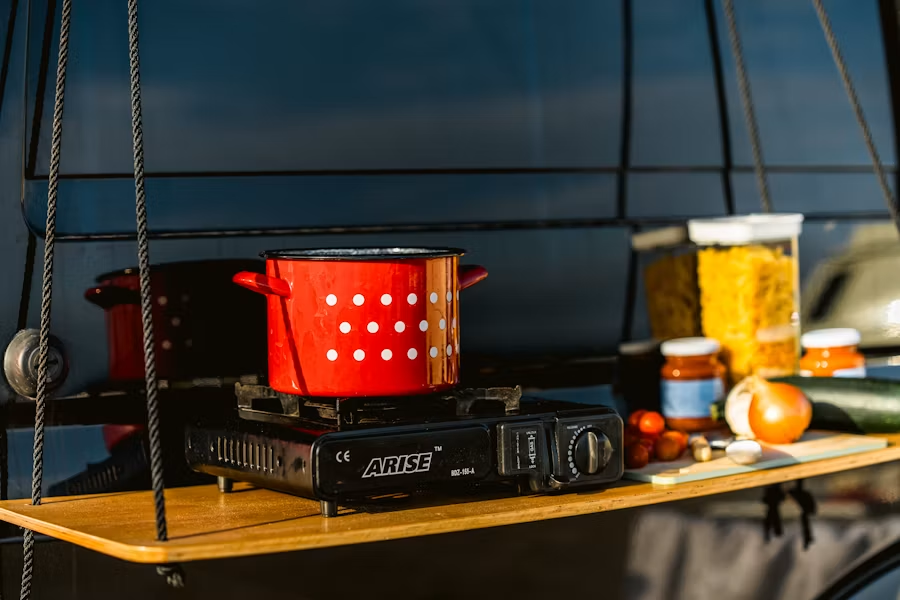
Portable Kitchen Essentials for Travelers
A useful travel kitchen can fit in one small tote. Pack only what your planned meals require to avoid clutter and simplify roadside cooking.
Start with an insulated cooler and enough ice packs to keep food cold. Store raw ingredients separately from ready-to-eat foods in sealed containers. Open the cooler only when needed and keep it out of hot vehicles during long stops.
A practical kit includes:
- Small cutting board
- Paring knife with a secure cover
- Reusable plates, bowls, and utensils
- Can and bottle openers
- Cloth napkins or paper towels
- Leak-resistant containers
- Resealable bags
- Dish soap, sponge, and trash bag
- Compact food thermometer
Use cooking devices only where property rules and local regulations permit them. Many hotels prohibit hot plates and similar appliances. If available, an electric kettle can prepare foods such as oatmeal or couscous when used as directed.
Keep seasonings simple. Salt, pepper, a favorite spice blend, olive oil packets, mustard, and shelf-stable hot sauce add flavor without taking up much space.
Label containers before leaving. Notes such as “Tuesday lunch” make it easier to find meals quickly during roadside stops.
Unexpected Delights on Your Journey
Some of the best road trip meals come from unexpected finds. This idea of leaving room for spontaneous stops is also part of the road trip revival that gives travelers more freedom to discover local food and hidden gems.
Regional bread, fresh fruit, and local cheese can make an easy lunch. In coastal areas, reputable markets may offer cooked seafood, while agricultural regions may have seasonal tomatoes, berries, or corn. Ask vendors how unfamiliar foods are typically served and how long they can safely travel.
Keep a few staples in the car, such as crackers, nut butter, shelf-stable olives, and tuna packets. Bread becomes a complete meal with mustard, spreads, and something crisp.
Set aside part of your food budget for local discoveries. You might skip packaged snacks and share pastries from a neighborhood bakery instead.
Check hours before making a detour, as small shops and farm stands may close early. Buy only what you can store safely and eat soon, especially perishable foods.
Sourcing Quality Ingredients Anywhere
Good ingredients are often available near your route with a little research. Look for supermarkets, food co-ops, public markets, and farm stands near fuel or overnight stops. Recent reviews can help confirm that a location is open and worth visiting.
Shop based on your next meal. Choose foods that can stay properly chilled until needed, especially when using a small hotel fridge. Buy only what you can safely store and use.
Check labels, packaging, and produce freshness. Choose firm fruit for later meals and ripe fruit for the same day. These real-food road trip ideas offer more practical options.
Consider food allergies when shopping at deli counters or independent vendors. Ask about ingredients and cross-contact, or choose sealed products with clear labels when details are uncertain.
Timing matters too. Buy chilled foods near the end of your shopping stop, return them to the cooler promptly, and add fresh ice before a long drive.
Simple Recipes for Travel Indulgence
Travel meals feel special when they combine a few contrasting flavors and textures. You don’t need complicated recipes or a long ingredient list. Use a simple base, add fresh produce, and finish with something bright or crunchy.
Lemony couscous cups
Place instant couscous in a heat-safe bowl and add the amount of hot water listed on the package. Cover it until tender, then mix in olive oil, lemon juice, chickpeas, and chopped cucumber. Add crumbled feta if you can keep it properly chilled. This works well for a hotel dinner because cleanup involves one bowl and a spoon.
Market picnic board
Arrange sliced bread or crackers with cheese, fruit, raw vegetables, and a spread such as hummus. Add pickles or olives for acidity. Serve everything on a cutting board or divide it among individual plates if you’re eating at a windy overlook.
Breakfast parfait jars
Layer yogurt, berries, and granola in reusable containers. Keep the granola separate until breakfast so it stays crisp. For a shelf-stable version, pair individual nut butter packets with bananas and whole-grain crackers.
No-cook Mediterranean wraps
Spread hummus over tortillas, then add spinach, sliced cucumber, roasted peppers, and cooked chicken or chickpeas. Roll each wrap tightly and return it to the cooler until mealtime.
Lists of easy travel meals can provide backup options when your rental kitchen has fewer tools than advertised. Keep recipes adaptable and swap ingredients based on what you find. Spinach can replace lettuce, tortillas can stand in for bread, and canned beans can fill in when cooked protein isn’t practical.
A better road trip menu begins with one realistic decision: identify the meal most likely to become a rushed drive-through stop and pack an appealing alternative for it. When lunchtime arrives, a crisp wrap, cold fruit, and a scenic pullout will feel like part of the trip instead of an interruption.
 By Amey Myers


