
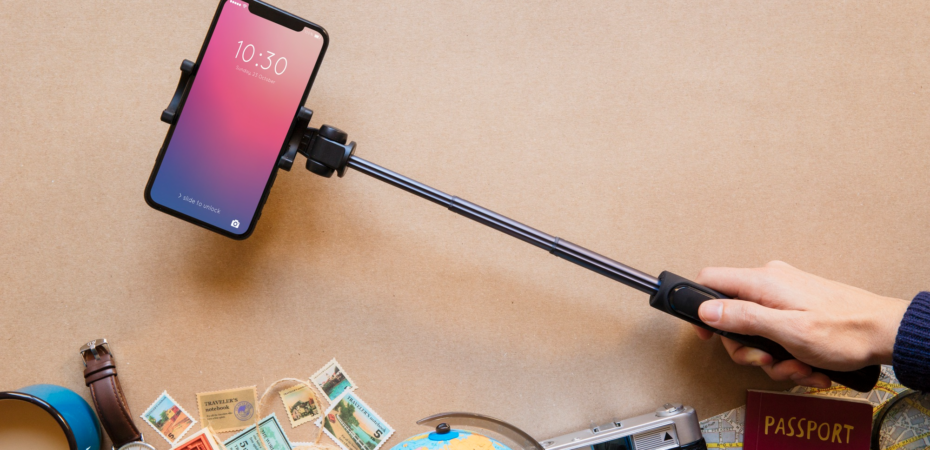
Photos are one of the best souvenirs we bring home from a trip. They freeze a sunset over the ocean, a street market in a far-off city or a quiet moment on a mountain trail. Yet the way we capture those memories has transformed almost beyond recognition.
Not so long ago, travel photography meant a bulky camera, a bag of film and a lot of careful rationing of shots. Today most of us carry a powerful camera in our pocket without a second thought. Here is how we got here and what it means for the way you photograph your adventures.
Travel Photography in the Age of Film
For most of the twentieth century, travelers packed a film camera and hoped for the best. Every roll held just 24 or 36 exposures, so each photo counted.
You could not check the result on a screen. You framed the shot, pressed the shutter and waited, sometimes for weeks, until the film was developed back home. A blurry photo or a thumb over the lens was not discovered until it was far too late. Photography was rewarding, but it asked for patience and a bit of luck, which is partly why postcards stayed so popular with travelers.
A Quick Look at How the Camera Evolved
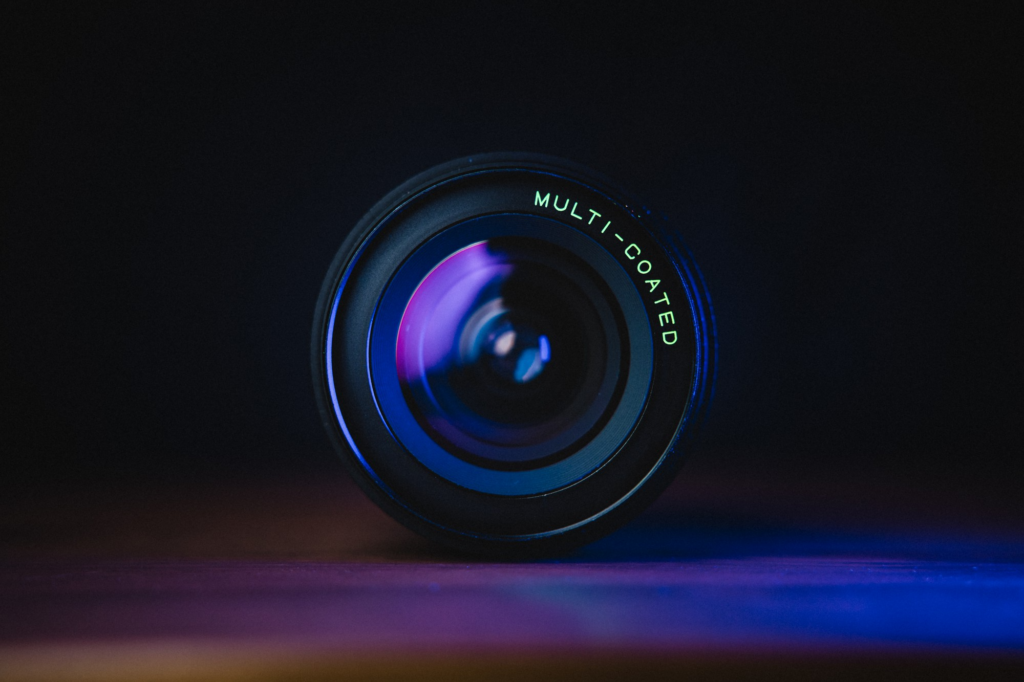
To appreciate how easy things are now, it helps to understand how the camera evolved over nearly two centuries. The story of travel photography really follows the story of the camera itself.
The earliest permanent photographs date to the 1820s and required hours of exposure. By 1839 the daguerreotype made photography practical, though hardly portable. The real turning point for everyday travelers came in 1888, when George Eastman introduced Kodak roll film with the promise that you press the button and they do the rest.
From there, progress sped up. Compact 35mm cameras made photography genuinely portable, single-lens reflex cameras gave enthusiasts more control, and instant cameras let people watch a picture appear in their hands. Each step made capturing a journey a little easier and a little more accessible.
The Digital Revolution
The next leap changed everything. Digital cameras, which reached everyday travelers through the 1990s and 2000s, removed film from the equation entirely.
Suddenly you could see a photo the instant you took it, delete the misfires and try again. Memory cards held hundreds or thousands of images, so the old anxiety about wasting a frame disappeared. For travelers, this was liberating. You could experiment with angles, shoot freely at a busy festival and know you had the shot before moving on.
The Smartphone Era
Then the camera merged with the phone, and travel photography changed once more. The camera you always had in your pocket became good enough to replace a dedicated one for most people.
Modern smartphones use computational photography to produce sharp, bright, balanced images with almost no effort. Better still, they connect to the internet, so a photo taken at a temple in the morning can be shared with friends and family before lunch. For lightweight travel, it is hard to beat carrying a single device that captures photos, records video and navigates you to your next stop. Editing tools built into the phone also let you fine-tune a shot on the move, so an image is ready to share before you have even left the spot.
Phone or Camera: What Should You Pack?
For many trips, a modern smartphone is all you need, and it keeps your bag light. It handles everything from wide landscapes to quick street scenes, and the photos are ready to share straight away.
There are still good reasons to bring a dedicated camera. If you want to photograph distant wildlife, shoot in low light or print large images, a compact mirrorless camera or one with a proper zoom lens gives you more reach and control. The tradeoff is extra weight, spare batteries and a little more to keep track of.
A common middle ground is to travel with your phone for everyday moments and a small camera for the shots that really matter. Match the kit to the trip rather than carrying everything.
What This Means for Travelers Today
All this evolution adds up to a simple truth. You no longer need heavy, expensive gear to take beautiful travel photos, though plenty of enthusiasts still love a dedicated camera.
The freedom to shoot as much as you like has a small downside worth managing. It is easy to return from a trip with thousands of photos scattered across a phone, and just as easy to lose them if a device is damaged or stolen. Backing up your images to the cloud while you travel and preserving older printed photos and film by digitizing them keeps those memories safe for years to come.
There is also a gentle reminder in all of this. When capturing a moment is effortless, it is tempting to experience an entire trip through a screen. The best travel photographers still look up, take in the scene and then decide what is worth a picture.
Simple Tips for Better Travel Photos
You do not need professional equipment to bring home images you are proud of. A few habits make the biggest difference.
Shoot during the golden hours after sunrise and before sunset, when the light is soft and warm. Look for candid moments rather than only posed shots, since they capture the feel of a place. Include people or objects for a sense of scale, especially with landscapes and landmarks. Finally, back up your photos regularly so a lost phone never means a lost trip.
The Bottom Line
In under two hundred years, the camera went from a device that needed hours to record a single image to one that lives in your pocket and captures a moment in an instant. Travel photography grew up alongside it, becoming more spontaneous, more forgiving and far more accessible.
The tools will keep changing, but the reason we reach for them stays the same. We want to hold on to the places we have seen and the moments that made a trip unforgettable. Whatever camera you carry on your next journey, the best advice is timeless. Stay curious, keep it simple and remember to enjoy the view as well as photograph it.
 By
By