
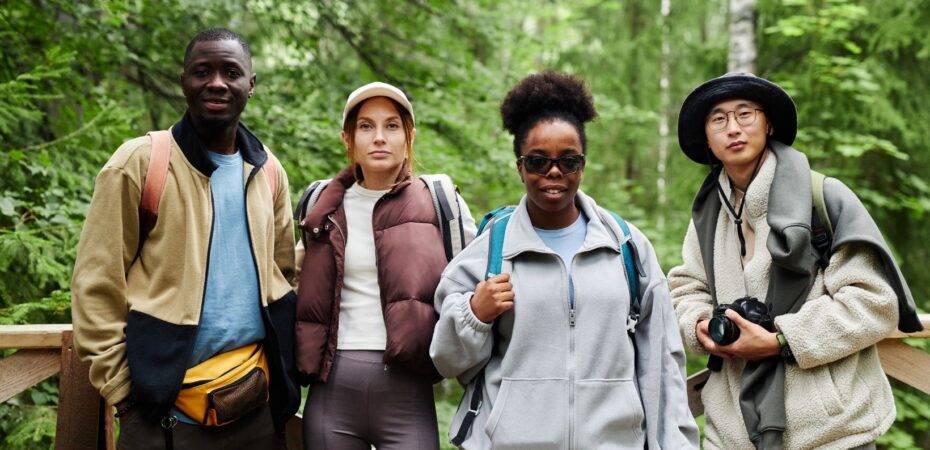
Travelling with less gear can change the way a trip feels. Moving through airports, train stations, or long walking routes becomes easier when luggage is manageable. For travellers who enjoy outdoor experiences, a well-planned camping setup allows you to explore nature without carrying unnecessary weight.
Camping equipment has improved significantly in recent years. Modern materials and compact designs allow travellers to bring reliable gear while keeping packs lighter and easier to organise. The key is choosing equipment that delivers comfort and practicality without filling your bag with items you rarely use.
Build a Travel Setup That Works Across Different Trips
A lightweight camping setup should adapt to a variety of travel styles. Some travellers combine city breaks with outdoor adventures, while others plan multi-day hiking trips in national parks. In both situations, compact equipment makes transitions smoother.
Start by selecting gear that packs efficiently and covers the core needs of any campsite. A small tent with a dependable waterproof rating provides shelter without adding unnecessary bulk. Pair it with a sleeping bag suited to the temperatures you expect and a sleeping mat that offers insulation from cold ground.
These three items form the foundation of most camping trips. Once they are chosen carefully, the rest of your gear becomes easier to manage.
Portable Equipment That Makes Travel Easier
When travelling between destinations, bulky equipment quickly becomes inconvenient. Lightweight camping gear reduces that problem by making packing and transport far easier.
Many modern outdoor brands design equipment specifically for those who move frequently. Compact seating is a good example. After spending the day walking, hiking, or fishing, a comfortable place to sit improves the overall camping experience.
Options such as Ozzi Gear offer practical seating that folds down for travel while remaining strong enough for regular outdoor use. Choosing compact furniture like this helps maintain comfort at camp without increasing the size of your pack.
Packing Clothes with Versatility
Clothing is often the heaviest item in a travel bag. A lot of travellers bring more clothing but end up not using half of it, which quickly increases luggage weight.
A better approach is focusing on adaptable layers that can be combined depending on weather conditions. Outdoor travellers typically rely on three core layers:
- A breathable base layer for temperature regulation
- An insulating mid-layer such as fleece or lightweight down
- A waterproof shell that protects against wind and rain
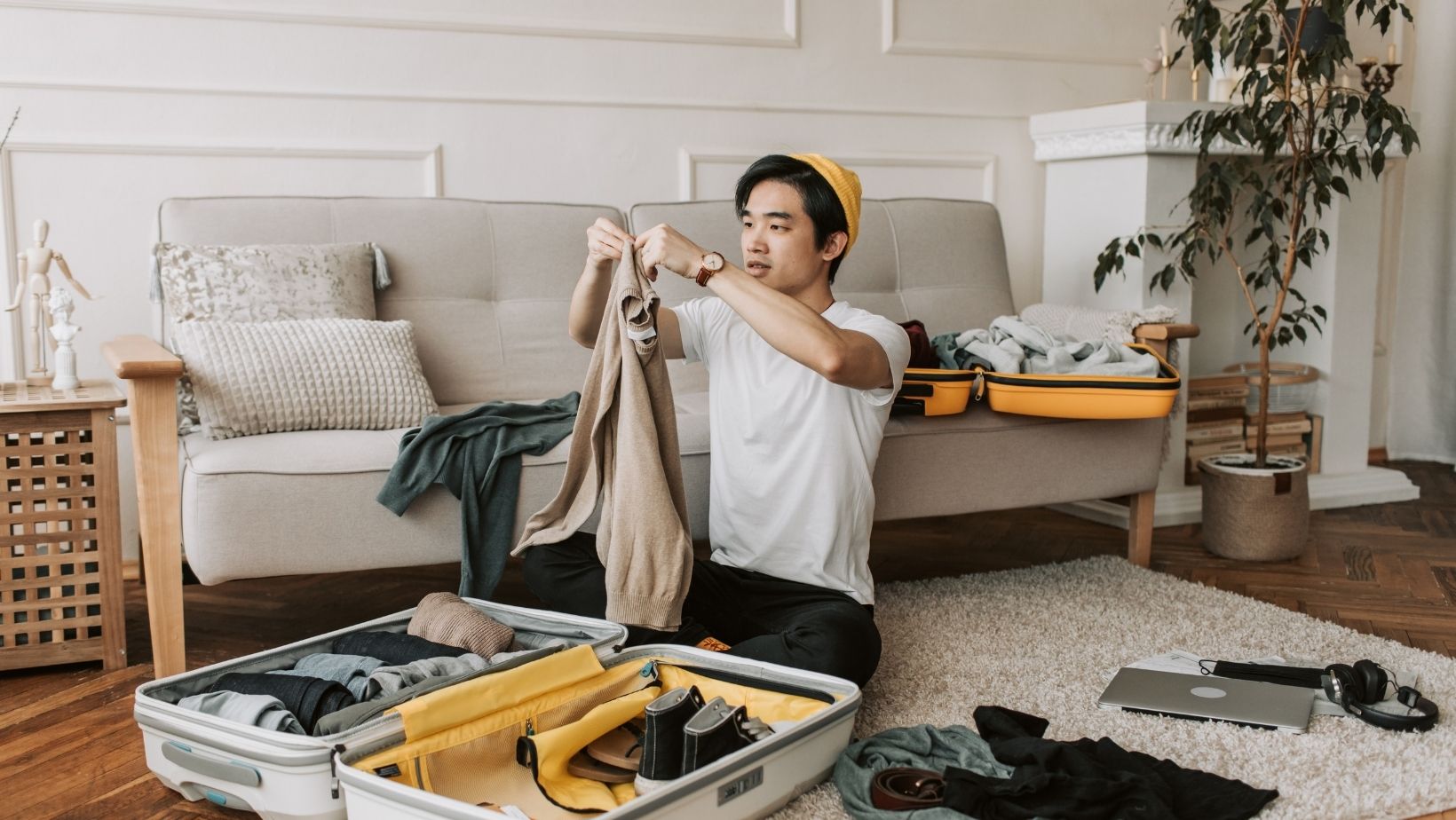
This technique allows you to stay comfortable in different climates without carrying multiple bulky jackets all at the same time. Technical fabrics also dry faster than traditional cotton clothing, making them more suitable for longer trips.
Efficient Packing Makes Movement Easier
Reducing weight is only part of travelling light. Organisation plays an important role as well. Packing cubes, compression sacks, and small storage pouches help keep equipment arranged and accessible.
A well-organised pack saves time when setting up camp or searching for items during the day. It also helps maintain balance when carrying a backpack for extended periods. Placing heavier items close to your back improves stability and reduces strain while walking.
Travellers exploring outdoor destinations may also find it useful to review guidance from organisations such as the National Trust, which offers information on enjoying natural landscapes responsibly across the UK.
For those planning more adventurous itineraries, resources from the Adventure Travel Trade Association also provide useful insights into responsible adventure travel and preparation.
Prioritise Experiences Over Extra Gear
Packing lighter usually leads to a more flexible and easy travel experience. With fewer items to manage, moving between destinations becomes simpler and less stressful. It also encourages travellers to focus on the places they visit rather than the equipment they carry.
Many experienced travellers eventually realise that most trips require far fewer items than expected. A reliable shelter, a comfortable sleeping system, practical clothing, and a few well-chosen accessories usually cover everything needed.
Travelling light becomes even more important when flights are involved. Airlines have strict baggage limits, and bulky camping gear can quickly increase luggage fees if it is not packed carefully. Preparing in advance helps avoid unnecessary costs and delays. Travellers heading to the UK may also benefit from reading practical guidance such as this overview of things to know before flying to the UK, which covers useful arrival tips and planning advice.
Final Thoughts
Lightweight travelling with camping gear is largely about thoughtful selection. Choosing compact equipment, organising your pack carefully, and avoiding unnecessary duplicates helps keep your luggage manageable throughout the journey.
With the right gear and a streamlined setup, travellers can enjoy the freedom to move easily between locations while still having a comfortable campsite at the end of the day.
 By
By 


