
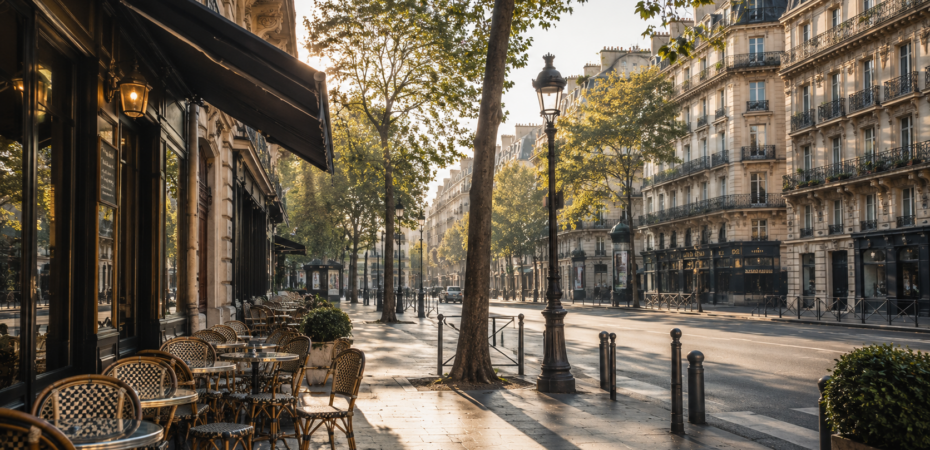
Paris has a reputation for being complicated to plan. Too many neighbourhoods, too many museums, too many restaurants claiming to be the best, and too many conflicting opinions from people who went once in 2014 and now consider themselves experts. The truth is simpler than most guides make it sound – Paris is an easy city to enjoy if you stop trying to see all of it at once.
For travellers browsing Paris vacation packages, the bundled approach – flights, hotel, and sometimes airport transfers included – tends to remove the logistical headache that puts people off booking in the first place. It also forces a useful constraint: rather than endlessly researching hotels across 20 arrondissements, you pick from a curated list and move on to the part that actually matters, which is deciding what to do once you’re there.
And for anyone who’s been putting it off waiting for the “right time,” last minute vacation deals for Paris are more common than you’d expect. The city has enormous hotel capacity, flights from multiple US airports run daily, and unlike smaller European destinations, Paris rarely sells out completely – even in peak season there’s usually something available at a reasonable rate if you’re flexible on neighbourhood.
Pick a Base, Not an Itinerary
The single best decision you can make for a Paris trip is choosing the right neighbourhood to stay in and then letting the city happen around you. The Marais is walkable, central, and full of cafés and independent shops. Saint-Germain-des-Prés has the classic Left Bank atmosphere without being as tourist-heavy as the areas immediately around the Eiffel Tower. Montmartre is quieter, more residential, and gives you the hilltop Sacré-Cœur views without needing to make a separate trip.
Staying near the major landmarks (Champs-Élysées, Trocadéro) sounds convenient but usually means higher prices, more crowds, and restaurants that cater to tourists rather than locals. A ten-minute metro ride puts you anywhere in central Paris, so there’s no real advantage to being right on top of the main sights.
The Museum Problem
Paris has more museums than most people can visit in a month, let alone a long weekend. The instinct is to try to fit in the Louvre, Musée d’Orsay, and Orangerie in a single day, which is technically possible but practically miserable. The Louvre alone could absorb an entire day if you let it.
Better approach: pick one museum per day, maximum. Spend the morning there, then walk the surrounding neighbourhood, eat lunch somewhere that isn’t inside the museum, and let the afternoon unfold without a schedule. The Musée de l’Orangerie is small enough to see in an hour and sits right in the Tuileries Garden, which makes for a natural post-museum walk. The Musée d’Orsay works well as a morning visit followed by a walk along the Seine.
Specialist providers like Travelodeal sometimes include skip-the-line museum access in their Paris packages, which genuinely saves time – the Louvre queue alone can eat an hour on a busy day.
Eating Without Overthinking It
Paris restaurant culture can feel intimidating from the outside, but the actual rules are straightforward. Avoid anything with laminated menus and photos of the food. Walk one or two streets back from any major landmark before choosing somewhere to eat. Lunch menus (prix fixe, usually two or three courses) are almost always better value than ordering à la carte at dinner.
Bakeries are non-negotiable. A morning croissant from any half-decent boulangerie – and most of them are more than half-decent – is one of the simplest, best things about being in Paris. It costs almost nothing and requires zero planning.
When to Go
April through June and September through October hit the sweet spot – warm enough to walk comfortably, fewer crowds than July and August, and generally better prices on flights and hotels. Paris in winter has its own appeal (Christmas markets, fewer tourists, the light is beautiful in a cold, grey way) but isn’t for everyone.
August is worth knowing about: many Parisians leave the city for their own holidays, which means some smaller restaurants and shops close for the month. The tourist infrastructure stays open, but the city feels slightly different – emptier in residential areas, busier at the landmarks.
The Short Version
Paris rewards simplicity. One neighbourhood, one museum, one long lunch, one evening walk along the river. The city has been there for centuries and it’s not going anywhere – there’s no need to see everything in one trip, and the people who enjoy it most tend to be the ones who stopped trying to.
 By Gregory O'Neill
Greg is a modern-day explorer with an insatiable love for travel. His passion for adventure has led him to far-flung corners of the world, where he immerses himself in diverse cultures and experiences. Greg's zest for life is epitomized by a continuous pursuit of new horizons and captivating journeys.


