
The definition of luxury in the world of high-end travel has undergone a silent yet radical transformation. If the past decade was defined by “access”—being seen at the most exclusive clubs or securing a table at a Michelin-starred restaurant with a six-month waiting list—2026 is defined by “absence.” For the modern high-net-worth individual (HNWI), the ultimate status symbol is no longer found in a crowded five-star hotel lobby, regardless of how many gold leaves adorn the ceiling. Instead, the focus has shifted toward total seclusion, architectural integrity, and the luxury of being entirely left alone. In a world that is more connected and transparent than ever, the ability to disappear into a private sanctuary has become the most valuable commodity on the travel market.
The definition of luxury in the world of high-end travel has undergone a silent yet radical transformation. If the past decade was defined by “access”—being seen at the most exclusive clubs or securing a table at a Michelin-starred restaurant with a six-month waiting list—2026 is defined by “absence.” For the modern high-net-worth individual (HNWI), the ultimate status symbol is no longer found in a crowded five-star hotel lobby, regardless of how many gold leaves adorn the ceiling. Instead, the focus has shifted toward total seclusion, architectural integrity, and the luxury of being entirely left alone. In a world that is more connected and transparent than ever, the ability to disappear into a private sanctuary has become the most valuable commodity on the travel market.
Italy remains at the heart of this evolution. The country’s timeless appeal, rooted in its “Dolce Vita” heritage, continues to attract the global elite, but the way they engage with the territory is changing. The “Grand Tour” of the 21st century is no longer a frantic checklist of iconic monuments shared with thousands of other visitors. Sophisticated travelers are now seeking a residential model of tourism—one where they occupy a historic estate or a contemporary architectural marvel that functions as a fully serviced personal kingdom. This move toward “sanctuary travel” is a direct response to the saturation of traditional hotspots, leading travelers to seek out the invisible threads of the Italian landscape.
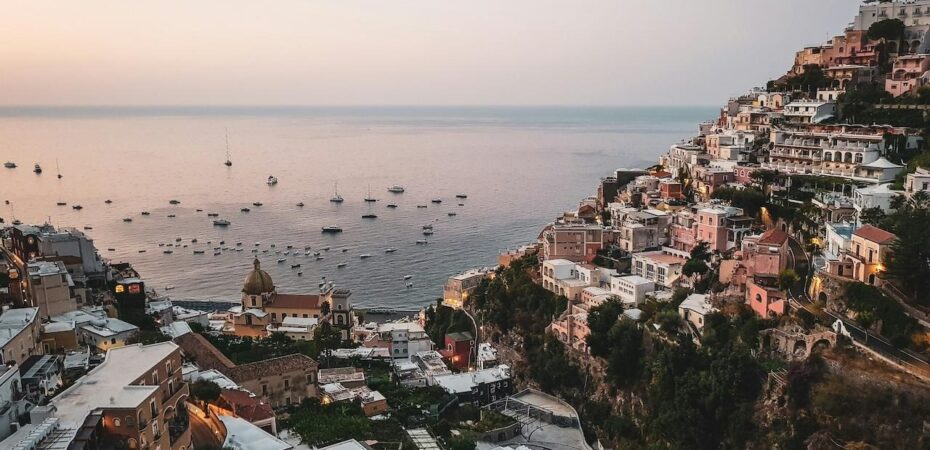
Nowhere is this quest for isolation more challenging, yet more rewarding, than in the dramatic vertical landscapes of the Campania region. The Amalfi Coast, with its pastel-hued villages and sheer cliffs, is a global icon that often struggles under the weight of its own popularity. In the peak of the season, the narrow streets of Positano and the main square of Amalfi can feel like a stage set for mass tourism. To bypass this, discerning visitors have turned to a more tactical approach to their stay. Rather than navigating the frantic energy of the coastal road, they are establishing private bases in gated estates that offer a vantage point over the Tyrrhenian Sea without being seen from below. Utilizing a specialized provider such as the SopranoVillas rental service for villas in the Amalfi Coast has become a fundamental step for these travelers; it allows them to secure off-market historic homes in quieter enclaves like Praiano or the higher reaches of Ravello. These properties act as private observatories where the only sounds are the rustle of lemon groves and the distant chime of a village church, allowing guests to descend into the vibrant local life only when they choose, while maintaining a secure and silent retreat to return to.
The architectural allure of these private residences is a significant driver of this trend. HNWIs are increasingly moving away from the “copy-paste” luxury of international hotel chains in favor of homes with a “soul.” They are looking for properties that tell a story—converted 12th-century monasteries in the hills of Umbria, fortified farmhouses in the heart of Puglia, or noble apartments in Rome that feature original frescoes and private libraries. Staying in such a place offers a psychological depth to a journey; it transforms the traveler from a transient observer into a temporary resident of a storied location. In 2026, luxury is as much about intellectual stimulation and historical connection as it is about comfort.
Service, too, has evolved to meet the demands of this privacy-first demographic. The traditional concierge desk has been replaced by the “invisible assistant.” High-end travelers now expect a level of service that is omniscient but unobtrusive. This includes private chefs who source ingredients from local organic farms, wellness practitioners who conduct personalized sessions in the villa’s gardens, and drivers who know the secret routes that avoid the main traffic arteries. This hyper-personalization allows for a rhythm of life that is entirely dictated by the guest, free from the rigid operational schedules of a public resort.
Furthermore, the rise of the “executive workation” has solidified the private estate as the primary node of elite travel. With the permanence of high-level remote work, corporate leaders and entrepreneurs are extending their stays in Italy from a few days to several weeks. This requires properties equipped with enterprise-grade technology and dedicated office spaces that offer the same security and connectivity as a metropolitan boardroom, but with a view of the Mediterranean or the rolling vineyards of Piedmont. This blend of professional productivity and profound relaxation is only possible within the controlled environment of a private estate.
Sustainability and ethical elegance also play a crucial role in the choices made by today’s affluent travelers. They are acutely aware of the impact of overtourism and are choosing to support agencies and owners who prioritize the preservation of the local ecosystem. By opting for longer stays in private homes that employ sustainable practices—such as solar energy or water recycling systems—they are aligning their environmental values with their desire for exclusivity.
In conclusion, the preference for exclusive estates over traditional high-end hotels reflects a broader societal move toward intentionality and discretion. Travelers in 2026 are no longer satisfied with being one of many; they want a bespoke reality created solely for them. By prioritizing privacy, architectural heritage, and deep local roots, they are reclaiming the true essence of the Italian experience. As the world becomes increasingly crowded, the ultimate luxury remains the quiet, undisturbed beauty of a home away from home, set against the most spectacular backdrops Italy has to offer. In this new landscape, the value of a journey is measured not by how many people saw you there, but by how well you were able to truly disappear.
 By Gregory O'Neill
Greg is a modern-day explorer with an insatiable love for travel. His passion for adventure has led him to far-flung corners of the world, where he immerses himself in diverse cultures and experiences. Greg's zest for life is epitomized by a continuous pursuit of new horizons and captivating journeys.


