
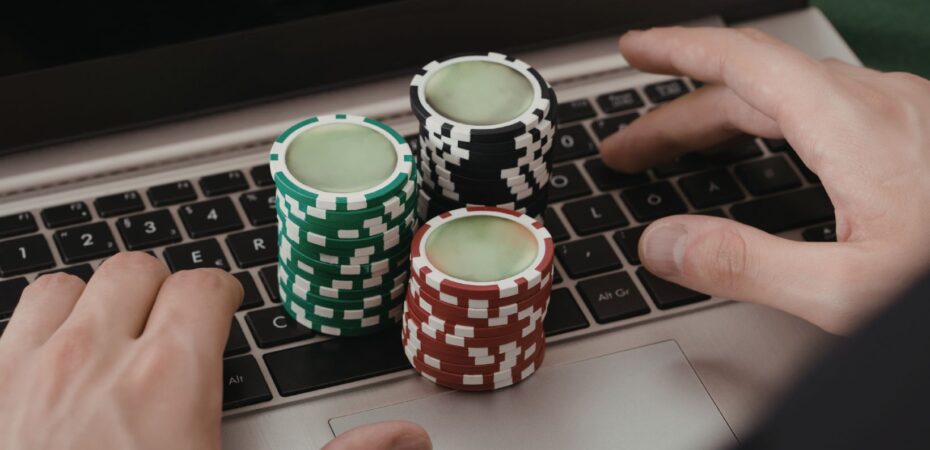
Most poker players think about travel in terms of live tournaments. They book flights, reserve hotels, and plan their schedules around bracelet events and circuit stops. But the hours between those sessions, the layovers, the downtime in foreign cities, and the quiet evenings when you’re too tired to leave your room can add up to a lot of wasted poker time if you haven’t prepared your online setup properly. Preparation here is not a loose suggestion. Getting it wrong can mean locked accounts, compromised funds, or missed satellite opportunities that could have put you in a $10,000 seat for less than a dollar. The players who approach playing online poker while traveling with the same seriousness they apply at home are the ones who keep their bankrolls moving in the right direction, regardless of which city they wake up in.
Know the Rules Before You Log In From a Hotel Room
Many regulated markets around the world issue licenses for online casino and poker gaming, and each one sets its own terms for who can play and from where. If you sit down at a cash table in Amsterdam before heading to the WSOP Circuit event there, or grind online poker satellites from a hotel in Prague during WSOP Europe, the platform you use will check your location against its restricted regions list. GGPoker, for example, blocks access from parts of Asia, Australia, and the United States, and expressly prohibits VPNs or proxy tools used to mask location.
Connectivity matters too. Anyone logging into a poker client over unsecured hotel Wi-Fi risks exposing session data to packet sniffers. A portable hotspot or a trusted mobile connection removes that problem entirely and provides a more stable connection during play.
Your Phone Is a Poker Room Now
GGPoker’s mobile app runs on both iOS and Android and delivers much of the same functionality as the desktop platform. That matters when you’re in transit or sitting in a hotel lobby between live sessions. You can register for tournaments, play cash games, and enter satellite qualifiers from the same device you use to check your boarding pass.
A few practical steps will keep the mobile setup reliable. Download and update the app before your trip, not in an airport with spotty reception. Make sure your account verification is complete, because uploading documents from a different country can sometimes trigger delays. Keep your phone charged with a portable battery, and disable auto-updates on other apps so they do not consume bandwidth in the middle of a hand.
Build Your Schedule Around Time Zones and Tournament Grids
The 2026 WSOP runs from May 26 through July 15 at Horseshoe Las Vegas and Paris Las Vegas, where 100 gold bracelets will be up for grabs. The 2025 series pulled in 246,960 entrants and paid out more than $481 million in prize money. Numbers like that tell you the satellite traffic leading up to these events is heavy, and it begins months before the first cards are dealt.
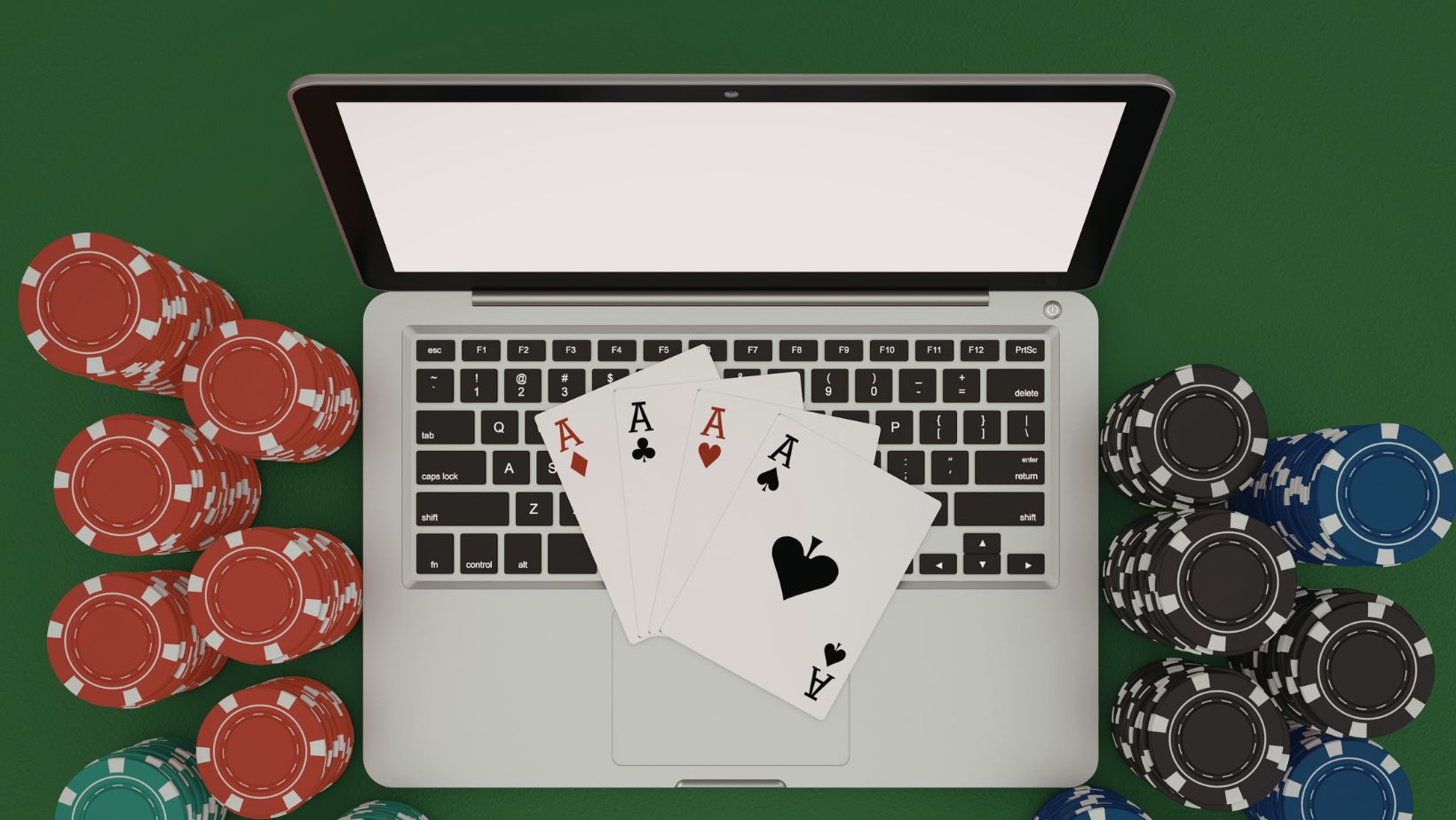
WSOP Circuit stops run year-round across global cities. Amsterdam hosts events in March. Prague holds WSOP Europe from March 31 to April 12. Aix-en-Provence, France, also appears on the schedule. If you’re attending any of these, the time zone you’re physically in affects which online tournaments you can comfortably play. A player in Prague is nine hours ahead of Las Vegas, which means late-night satellite start times back home land in the early morning locally. Plan around that, or you’ll find yourself four-tabling at 3 AM with little focus.
Satellites That Start at $0.50
GGPoker’s WSOP Express system uses a multi-step satellite structure that begins at $0.50 and can end with a $10,000 Main Event seat. More than 100 players have already won WSOP Europe packages through that system. The buy-ins at the lowest levels are small enough that you can play them during travel downtime without putting pressure on your bankroll.
The key to satellite play on the road is volume and consistency. Set a number of attempts per day and stick to it. Treat each step as its own session with full attention. Playing one satellite with focus will almost always outperform playing several while distracted by a delayed flight or travel stress.
Protect Your Bankroll the Same Way You Protect Your Passport
Traveling with access to your poker account means traveling with access to real money. Enable two-factor authentication before you leave home. Use a unique password that you do not share with any other service. Log out of your account when you’re done playing, especially on shared or hotel networks.
If you lose your phone or it gets stolen, contact support immediately to freeze your account. Having your account email and support contact saved separately, such as in a secure note on a secondary device, provides a backup option that does not depend on the missing phone.
Rest, Routine, and Knowing When to Close the App
Live tournament travel wears people down. Long flights, poor sleep, unfamiliar food, and packed playing schedules drain mental energy quickly. Adding online sessions on top of that without discipline can turn profitable play into careless play.
Set a clear stopping point each night. If you played a ten-hour Day 1 at a live event, firing up a long cash session afterward is unlikely to produce strong decisions. The online tables will still be there the next day. Your edge at those tables depends on how rested and focused you are when you sit down.
Conclusion
Travel does not have to interrupt your online poker progress if you prepare properly. Understanding platform restrictions, securing your connection, planning around time zones, and protecting your bankroll all allow you to continue playing effectively while moving between tournament stops. When you approach playing online poker while traveling with preparation and discipline, the downtime between live events becomes an opportunity to keep improving your results rather than lost time.
 By
By 


