
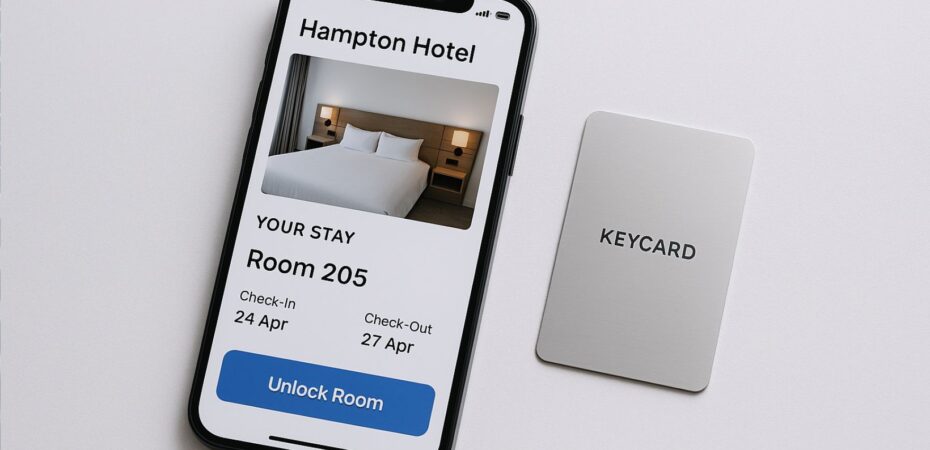
Hotel guests now expect far more than a bed and breakfast, with the rise of mobile-first travel redefining comfort and convenience in modern hospitality. Increasing numbers of hotels have adopted digital check-in, keyless entry, app-based payments and instant access to services, with those features becoming major differentiators for many properties worldwide.
Today, hotels integrating mobile tools into everyday operations demonstrate a shift toward greater autonomy and flexibility, with traditional bottlenecks such as front-desk queues and paperwork giving way to streamlined, guest-driven experiences. Ultimately, this transformation allows hotel stays to unfold on your schedule rather than the hotel’s.
Mobile check-in and digital keys
Completing check-in on a smartphone has emerged as a major convenience factor, with many hotels offering mobile check-in protocols that let guests provide ID, payment details and preferences before arrival. This enables immediate room access, often without waiting at a front desk.
In a 2025 industry-wide survey, about 85% of hotels reported having adopted mobile check-in solutions; meanwhile, 71% of hotel guests indicated they are more likely to book with properties offering contactless check-in. Some hotel chains report that digital-key usage has expanded dramatically: one brand saw over 14 million digital keys downloaded in 2024 alone, with many of those keys also shared among travel companions.
One recent article argues that this mobile check-in revolution has transformed the guest journey, offering a smoother, faster arrival process. Particularly when arriving late or after long travel days, skipping the front desk can make a stay feel calm and welcoming. That article can be found here for more information.
Contactless payments and mobile wallet convenience
After room access, mobile technology continues to simplify hotel living, with contactless payments and mobile wallet integrations becoming standard in many modern hotels. Use of Google Pay, Apple Pay and other digital wallets is increasingly accepted across services, from minibar charges to room service, spa treatments and restaurant bills.
This shift reduces the need to carry cash or physical cards and minimizes friction during transactions, with hotels reporting a noticeable drop in manual billing and processing work, while guests enjoy a smooth “tap-and-go” experience that feels clean, quick and modern. For many travelers, that seamless payment method contributes significantly to a stress-free stay.
Chat-based assistance and smart guest services
Hotel stays now often include mobile-enabled guest services: in-app chat, virtual concierge systems or AI-powered assistants. Tasks like requesting extra towels, ordering room service, asking for local recommendations or scheduling spa appointments can now be handled on the go, directly via the hotel’s app or messaging function.
Use of chatbots and virtual assistants remains on the rise: a 2025 report found that about 60% of hospitality firms implemented AI-based chat support or virtual concierge tools. Many guests appreciate the ability to make requests at any time, with confirmations delivered instantly. This asynchronous communication can relieve stress, as there’s no need to track down staff or wait in a lobby. Ultimately, service becomes responsive, discreet and almost invisible.
Real-time booking management and on-the-go adjustments
Travel plans often shift at a moment’s notice. However, with mobile booking management tools, guests can modify reservations, request late check-outs, change room preferences or upgrade rooms, all through an app. That flexibility reduces anxiety when delays or schedule changes occur. Today, hotels with robust mobile booking platforms tend to report higher guest satisfaction and repeat bookings.
Some modern hotels even offer smart-room personalization through mobile apps, where settings such as lighting, temperature, entertainment preferences and even drapery can often be adjusted before arrival or inside the room. Undoubtedly, such control helps drive the stay to match your preferences in real time.
What this means for you
Use of mobile technologies is transforming hotel stays into active, guest-driven journeys. You gain the power to manage when and how you arrive, access your room, pay for services and request support, all from your personal device. That control reduces uncertainty and friction, respecting your time and privacy while preserving comfort and convenience.
Undoubtedly, hotels embracing digital transformation tend to operate more efficiently: staff become freed from routine check-in/out duties and can instead focus on delivering personalized services where human attention still matters. That hybrid model (smart automation plus human hospitality) can result in a stay that feels effortless and pleasantly attentive.
For travelers who value speed, autonomy and minimal interruptions, properties offering digital keys, contactless payment and in-app services represent a meaningful upgrade compared with traditional accommodations. Ultimately, the hospitality industry’s rapid acceleration toward mobile-first solutions marks a shift in guest expectations, one that reflects the way many of us already live: connected, mobile and in control.
 By Gregory O'Neill
Greg is a modern-day explorer with an insatiable love for travel. His passion for adventure has led him to far-flung corners of the world, where he immerses himself in diverse cultures and experiences. Greg's zest for life is epitomized by a continuous pursuit of new horizons and captivating journeys.