
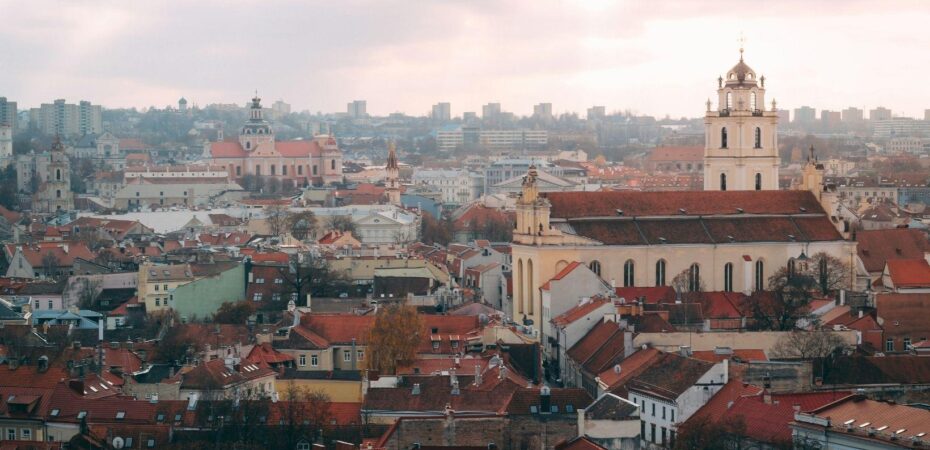
Most city break advice tells you to avoid northern Europe between November and March. Vilnius is the exception, and it has built its tourism pitch around exactly the thing everyone else apologises for. The city leans into what the trade now calls noctourism, meaning experiences designed for the hours after sunset, and it runs an evening economy that is unusually well regulated for the region. That regulatory habit shows up in odd places, from how late bars can serve to how a Lithuanian-licensed online casino has to operate, which is a long way from the offshore free-for-all most travellers assume.
You notice the same seriousness at street level. An operator like Twinsbet has to verify a customer’s identity before a first play rather than at cash-out, and the local drinking laws are equally literal. The upshot for a visitor is a nightlife scene that feels relaxed rather than chaotic.
Go in late January if you can
The Vilnius Light Festival runs 23 to 25 January, from 17:00 to 22:00, with 26 installations spread across the old town. Fifteen come from artists in nine countries, seven are student work, and the whole thing is free. It coincides with the city’s birthday, its 703rd. Flights and hotels are at their cheapest, and the festival gives you a reason to be outside in the dark rather than an obligation to endure it.
The rest of the calendar is worth knowing if January does not suit. Street Music Day brings around 5,000 performers out on 16 May. Pink Soup Fest, dedicated entirely to cold beetroot soup, runs 29 to 31 May. Culture Night is 12 June, the Christopher Summer Festival spreads 40-plus events from 30 June to 30 August, and Vilnius Marathon draws 10,000 runners on 13 September. Vilnius Jazz lands 14 to 18 October and Gastronomy Week 9 to 15 November.
The old town is the whole point
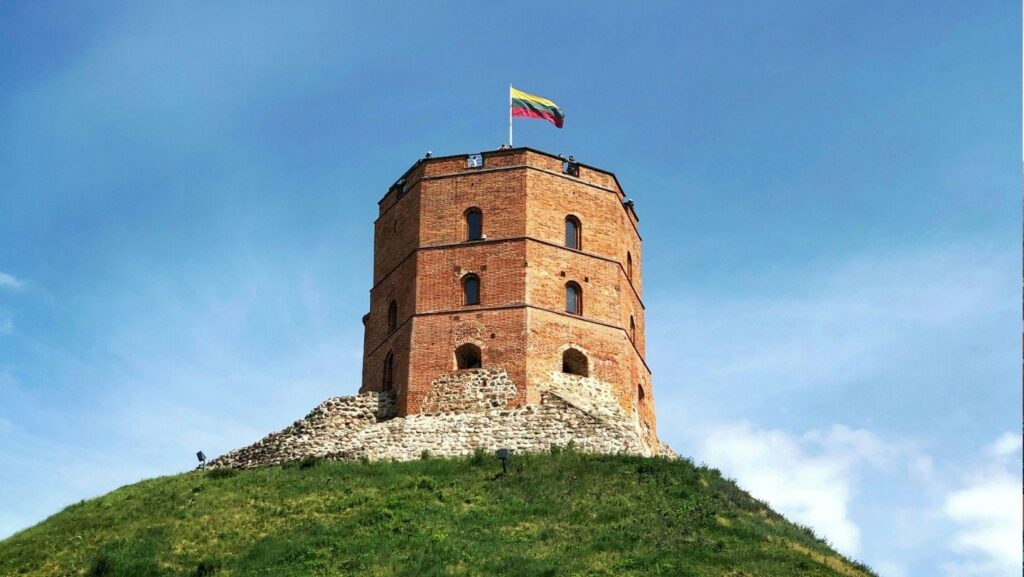
Vilnius has one of the largest surviving baroque old towns in Eastern Europe and it is compact enough to cross on foot in 25 minutes. Gediminas Tower gives you the standard view. The Uzupis district, which declared itself an independent republic in 1997 and has a constitution nailed to a wall in three languages, gives you the better story. Neither costs anything.
Prices remain the strongest argument. A sit-down lunch runs well under what you would pay in Tallinn or Riga, and the city has not yet been priced for tourists.
You are not the only one who noticed
Lithuania recorded 935,000 visitors in the first quarter of 2026, up 19 per cent year on year, with foreign arrivals up 23 per cent. German arrivals rose 62 per cent. Vilnius took 248,000 of those guests. Across Europe, Central and Eastern destinations grew arrivals by 6 per cent in the same quarter, the strongest of any region, while average daily hotel rates climbed 7 per cent continent-wide.
Translation: go now, before the pricing catches up with the demand.
Sort your border paperwork first
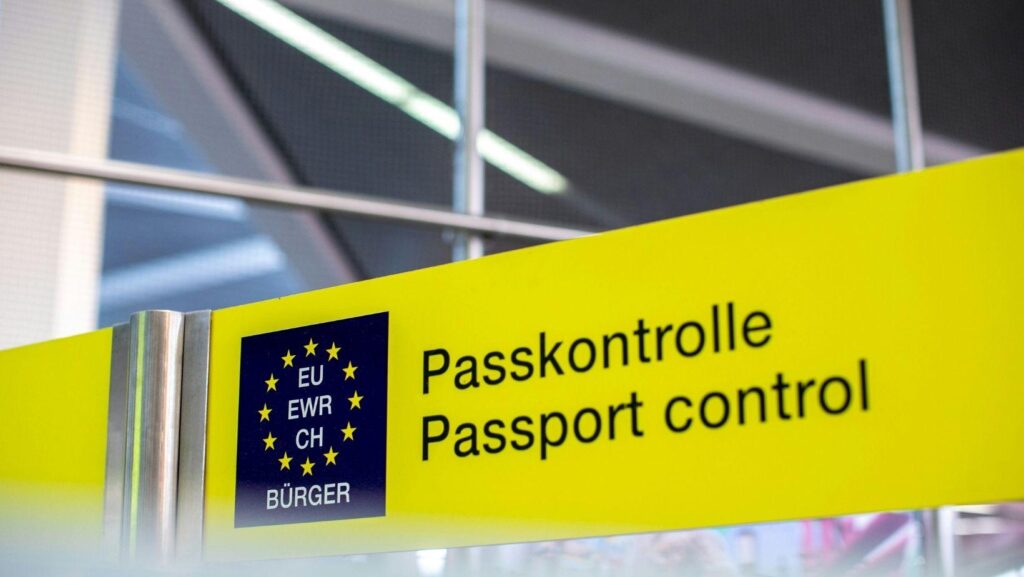
The EU’s Entry/Exit System was phased in from 12 October 2025 and fully operational from 10 April 2026. It replaces passport stamps with a biometric record, meaning a facial image for everyone and fingerprints from age 12. Your registration lasts three years as long as you keep the same passport. Thirty countries use it. Cyprus and Ireland do not.
ETIAS follows in the final quarter of 2026. It costs 20 euros, is free for under-18s and over-70s, and lasts three years. There is a six-month transition period and a further six-month grace period after launch, so a first trip without it will still be allowed while repeat entries will not.
Download the “Travel to Europe” app and pre-fill your details up to 72 hours before departure. It takes five minutes and it will save you a queue at Vilnius Airport.
A rough three-day plan
Day one, land in the afternoon, walk the old town before dark and eat somewhere on Pilies Street. Day two, Gediminas Tower in the morning, the Museum of Occupations and Freedom Fights after lunch, Uzupis in the late afternoon. Day three, take the 30-minute bus to Trakai and see the island castle on the lake, then head back for a last evening in town.
Three days is enough for Vilnius and not enough for the country. That is usually the sign of a city break worth repeating.
 By
By 


