
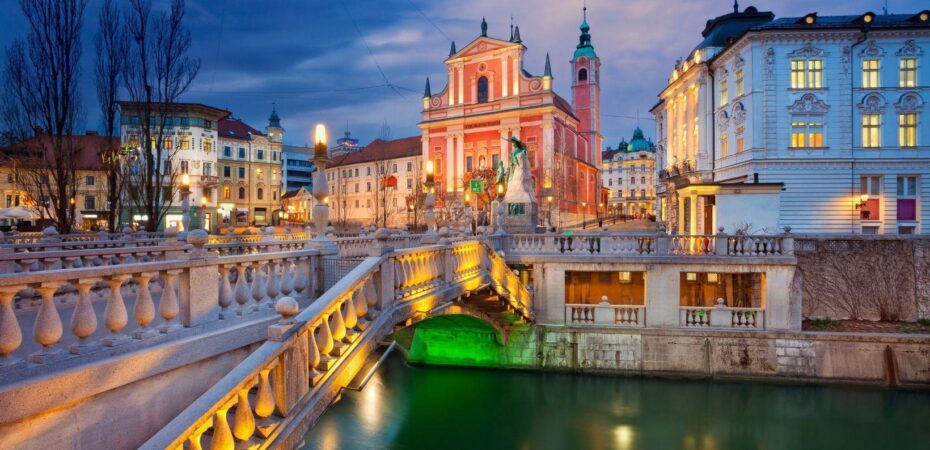
There’s a moment, somewhere between crossing a medieval bridge and catching the scent of freshly baked burek drifting through a cobblestone alley, when Ljubljana stops feeling like a discovery and starts feeling like a secret you’ve been let in on.
Slovenia’s compact, car-free capital has quietly become one of Europe’s most beloved city-break destinations – and for good reason. It has the fairy-tale architecture of Prague without the crowds, the café culture of Vienna without the price tag, and an effortlessly cool energy all its own. If you’re a first-time visitor wondering whether Ljubljana deserves a spot on your itinerary, let us settle that question right now: it absolutely does.
This guide covers everything you need to know – what to see, where to eat, how to get around, and why you’ll almost certainly start planning a return trip before you’ve even left.
Why Ljubljana Belongs on Your Bucket List
Ljubljana is a city that wears its personality on its sleeve. It was named European Green Capital in 2016 – a title it earned by banning cars from its historic city centre, building a brilliant recycling system, and turning its riverbanks into leafy, café-lined promenades. Instead of a general on horseback in its central square, Ljubljana chose to honour France Prešeren, its beloved Romantic poet. That tells you everything about the soul of this place.
At around 300,000 people, it’s small enough to explore entirely on foot yet big enough to surprise you around every corner. Whether you have one day or five, a ljubljana tour guide will help you make the most of every moment this city has to offer.
When to Visit Ljubljana
Timing your visit well can make a real difference to your experience.
Spring (April–June): is widely considered the sweet spot. The weather is comfortable, the city is beginning to buzz, and the riverfront terraces open their doors for the season. Crowds are manageable and hotel prices haven’t yet peaked.
Autumn (September–October): runs a very close second. The light turns golden, the surrounding hills take on warm hues, and October is an especially magical time for wine lovers – the nearby Goriška Brda wine region (Slovenia’s answer to Tuscany) begins its grape harvest.
Summer (July–August): brings reliably warm temperatures in the mid-to-high 20s Celsius, a packed festival calendar, and… the crowds. Accommodation prices rise by 30–60% near the Old Town, and popular riverfront cafés book up weeks in advance. If you visit in summer, book everything well ahead.
Winter (December–February): offers lower prices and a wonderfully festive atmosphere around Christmas. The city’s holiday markets are charming, though temperatures can hover near freezing.
Pro tip: Whatever season you choose, book accommodation at least 6–8 weeks ahead for the Old Town area, longer in summer.
Getting Around the City
Here’s the beautiful thing about Ljubljana: you don’t really need to “get around.” The historic core is compact enough to walk entirely. Most top sights are within a 20-minute stroll of each other, and the car-free centre makes it a genuine pleasure to wander without watching for traffic.
- Walking is the primary – and best – way to explore. Wear comfortable shoes.
- Cycling is a brilliant option for venturing slightly further. The city’s BicikeLJ scheme offers bikes free for the first hour at docking stations throughout downtown. The service Nomago covers the suburbs.
- Public buses are reliable and inexpensive for reaching areas outside the historic centre. Tickets can be bought on board by card.
- Taxis are metered and available for longer journeys. Always confirm the meter is running.
- E-scooters are available through several apps if you want a little breeze in your hair.
Top Things to See & Do in Ljubljana
1. Ljubljana Castle (Ljubljanski Grad)
Perched dramatically on a forested hill above the Old Town, Ljubljana Castle is the city’s undisputed centrepiece. With nearly 900 years of history within its walls, it houses museums, a lookout tower, a cinema, and excellent restaurants. The views over the terracotta rooftops, the winding Ljubljanica River, and the Alps beyond are nothing short of spectacular.
You can walk up through the forest (about 15 minutes from the Old Town), take the funicular railway from Krekov trg, or join a guided walking tour that brings the castle’s rich history to life. Join a guided tour if you can – the stories are worth it.
Opening hours: Open daily; hours vary by season. Check the official website before your visit.
2. Prešeren Square (Prešernov trg)
The beating heart of Ljubljana, this elegant baroque square is where locals and visitors naturally gravitate. Named after Slovenia’s most celebrated poet, it’s framed by the candy-pink Franciscan Church of the Annunciation, the elegant Hauptmann House, and the iconic Triple Bridge. Morning visits offer peaceful photo opportunities; evenings glow with golden light and lively atmosphere. Don’t miss it at either time.
3. Triple Bridge (Tromostovje)
One of Europe’s most photographed – and most clever – pieces of urban design, the Triple Bridge is the work of Jože Plečnik, the visionary architect who shaped much of Ljubljana’s visual identity in the early 20th century. What began as a single traffic bridge became a trio when Plečnik added two graceful pedestrian walkways on either side. Pause in the middle, watch the river below, and soak in the view both ways. Pure Ljubljana magic.
4. Dragon Bridge (Zmajski Most)
Ljubljana’s four green copper dragons are practically the city’s mascots, and the Dragon Bridge – built in 1901 in Vienna Secession style – is where you’ll find them in their full winged glory. Local legend holds that if a virgin crosses the bridge, the dragons wag their tails. We’ll let you draw your own conclusions. As one local saying goes: if you haven’t photographed the dragons, you haven’t been to Ljubljana.
5. The Ljubljanica Riverfront
Simply strolling along both banks of the Ljubljanica River is one of Ljubljana’s greatest pleasures. The riverside promenade – known as Breg on one side – is lined with café terraces, wine bars, and restaurants where you can while away an afternoon watching boats drift past. On sunny days, half the city seems to be here. Join them.
6. The Central Market (Osrednja Tržnica)
Spread along the riverbank between the Dragon Bridge and the Triple Bridge, Ljubljana’s open-air market is a sensory delight. Fresh fruit and vegetables, local cheeses, cured meats, honey, and handmade crafts fill the stalls every morning. Saturday mornings are particularly vibrant. Pick up some Slovenian honey (the country is famously bee-friendly) or a wedge of local cheese for a perfect riverside snack.
7. Metelkova City (Metelkova Mesto)
For a completely different side of Ljubljana, make your way to Metelkova – a former Yugoslav army barracks that was occupied by activists in the 1990s and transformed into a legendary autonomous cultural centre. Today it’s a maze of street art, independent clubs, galleries, and alternative spaces that pulses with creative energy after dark. It’s raw, colourful, and wonderfully unlike anywhere else in Europe.
8. Tivoli Park (Tivolipark)
When you need a breath of fresh air and a break from cobblestones, head to Tivoli – Ljubljana’s vast, beautiful city park. Stretching across over 500 hectares, it’s where locals jog, picnic, and let their children loose on weekends. Within the park, the Tivoli Mansion hosts the International Centre of Graphic Arts. Perfect for a lazy afternoon.
9. Cobblers’ Bridge (Šuštarski Most)
Quieter than the Triple Bridge but every bit as charming, the Cobblers’ Bridge is lined with peculiar, slightly unsettling sculptures by artist Jakov Brdar – figures that are half-human, half-dream. Visitors clip love locks to its railings. It’s quirky, romantic, and classically Ljubljana.
10. Neboticnik (The Skyscraper)
Built in 1933, Neboticnik was once the tallest building in the former Yugoslavia. Today its rooftop café and bar offer some of the best panoramic views in the city – and it’s far less crowded than the castle. Arrive just before sunset with a glass of Slovenian wine. You’re welcome.
What to Eat & Drink in Ljubljana
Ljubljana’s food scene punches well above its weight for a city of its size. The cuisine reflects centuries of influences – Austro-Hungarian heartiness, Italian finesse from across the border, and Balkan warmth from the south – all layered over a distinctly Slovenian culinary identity built on local ingredients and seasonal produce.
Slovenian Dishes to Try
- Žlikrofi – Slovenia’s beloved ravioli-like dumplings, filled with potato, onion, and herbs. Simple, comforting, and wonderful.
- Jota – A robust sauerkraut and bean stew, often made with smoked pork. Proper cold-weather food.
- Kranjska klobasa – Carniolan sausage, Slovenia’s famous grilled pork sausage, typically served with mustard and horseradish. A national institution.
- Štruklji – Rolled dumplings that can be savoury (cottage cheese, walnut) or sweet. Found everywhere.
- Prekmurska gibanica – A layered pastry with poppy seeds, walnuts, apples, and cottage cheese. Slovenia’s answer to baklava, essentially.
- Burek – Flaky pastry filled with meat, cheese, or potato, sold from street-side bakeries. The essential Ljubljana snack, and the cheapest hot meal you’ll find.
Day Trips from Ljubljana
Ljubljana’s central location makes it one of the best base camps in Europe for day trips. Within an hour or two, you can reach some of the continent’s most spectacular scenery.
- Lake Bled (55 km) – Slovenia’s postcard-perfect alpine lake, with its tiny island church and clifftop castle, is so beautiful it borders on the theatrical. Row a pletna boat to the island, ring the wishing bell, and hike to the viewpoint at Ojstrica for the photo you’ll print and frame.
- Postojna Cave & Predjama Castle (52 km) – One of the world’s largest and most spectacular cave systems, Postojna Cave is a UNESCO-listed underground wonder. Combine it with a visit to Predjama Castle – built into a cliff face – for a full day of jaw-dropping drama.
- Škocjan Caves (78 km) – A UNESCO World Heritage Site that arguably surpasses even Postojna in raw drama. The underground canyon here is one of the most awe-inspiring natural spaces in all of Europe.
- Lake Bohinj (80 km) – For a quieter, wilder alternative to Lake Bled, Bohinj delivers unspoiled alpine beauty without the tour buses.
- Goriška Brda (53 km) – Slovenia’s wine heartland, a region of rolling vineyard hills that genuinely earns its comparison to Tuscany. Come in autumn for the harvest; come anytime for the wine.
Practical Tips for First-Time Visitors
- Currency: Slovenia uses the Euro (€).
- Language: Slovenian is the official language. English is very widely spoken, especially in the tourist areas. You’ll have no difficulty communicating.
- Safety: Ljubljana is one of Europe’s safest capitals. Violent crime is rare. Standard travel precautions apply, but you’re unlikely to feel anything other than comfortable here.
- Wi-Fi: Excellent and widely available – cafés, hotels, and many public spaces.
- Tipping: Not obligatory, but rounding up the bill or leaving 10% is appreciated and common practice.
- Shopping hours: Most shops open Monday–Saturday, roughly 9am–7pm. Sunday hours are limited. The Central Market runs until early afternoon.
Slovenian phrase to know: Hvala (HVAH-lah) – “Thank you.” Locals genuinely appreciate the effort.
Final Thoughts
Ljubljana doesn’t try to dazzle you with grand gestures. It works differently – quietly, warmly, with the unhurried confidence of a city that knows exactly what it is and sees no reason to shout about it. The castle appears around a corner. The bridges surprise you. The food is better than you expected. The people are friendlier than you hoped. And somewhere along the Ljubljanica on a warm evening, with a glass of Slovenian wine in hand and the sound of accordion music floating down from somewhere you can’t quite identify, you’ll realise you’re completely, happily, thoroughly won over.
 By
By 


