
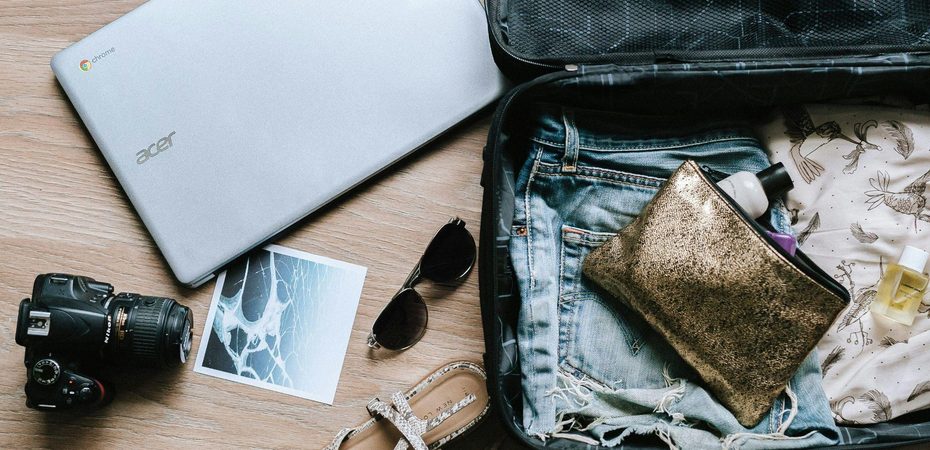
Trips built around hiking, festivals, sightseeing, sports, beaches, or other outdoor activities require a different kind of packing. Clothing has to survive long hours of movement, changing temperatures, strong sun, unexpected weather, and the reality that you may be far from your accommodation for most of the day.
The temptation is to pack for every possible situation, but that usually results in an overfilled bag containing items that never leave the room. A better approach is to focus on versatility, comfort, and the small things that become surprisingly important after several consecutive days outside.
Put a Few Recovery Essentials in Your Bag
Long outdoor days can leave the body feeling very different from an ordinary day at home. Walking for hours, carrying a backpack, standing at events, or spending more time than usual on uneven terrain can make evenings feel particularly valuable for slowing down.
A simple recovery routine does not require an entire collection of products. Comfortable clothing, a warm shower, a little stretching, and enough time to rest may be all you want after returning to your accommodation. Some adults also bring topical wellness products they already enjoy using, and a travel-friendly CBD lotion can be an easy addition to a personal evening routine without taking up much luggage space.
It is also worth packing blister plasters, basic first-aid supplies, and any everyday personal-care products you would be annoyed to discover are unavailable at your destination. These items occupy very little room but can become disproportionately useful after a demanding day.
Pack a Hat That Works With More Than One Outfit
A hat can become one of the hardest-working pieces in your luggage when most of the trip happens outdoors. It provides useful shade, deals with unpredictable hair days, and can make a simple T-shirt-and-shorts combination look much more intentional.
Rather than packing several hats for different outfits, choose one that works across most of your wardrobe. Neutral colors are easy to repeat, while a more distinctive design can become part of your travel look. Diehard Custom offers customizable headwear and accessories that can add personality to practical outdoor clothing without requiring an entirely separate outfit for every day.
Fit matters as much as appearance. A hat that becomes uncomfortable after an hour is likely to end up attached to your bag rather than on your head. Adjustable styles are useful when conditions are windy or when you want a slightly different fit later in the day.
Build Your Clothing Around Layers
Packing one outfit for hot weather and another completely separate outfit for cool weather consumes luggage space quickly. Layers are far more efficient.
Start with comfortable base pieces that can be worn alone during warmer parts of the day. Lightweight T-shirts, breathable shirts, tanks, shorts, skirts, or relaxed trousers can provide the foundation. Then add one or two layers that work with several combinations.
A lightweight overshirt can provide extra sun coverage during the afternoon and warmth once temperatures fall. A sweatshirt, fleece, or compact knit can handle cooler mornings and evenings, while a lightweight waterproof shell can protect against unexpected rain without occupying much space.
Think about the actual temperature pattern at your destination rather than packing according to one forecast number. A location that reaches 25°C in the afternoon may still feel surprisingly cool early in the morning, after sunset, or when wind appears.
Versatile layers allow the same small wardrobe to handle all three situations.
Choose Shoes for the Day You Will Actually Have
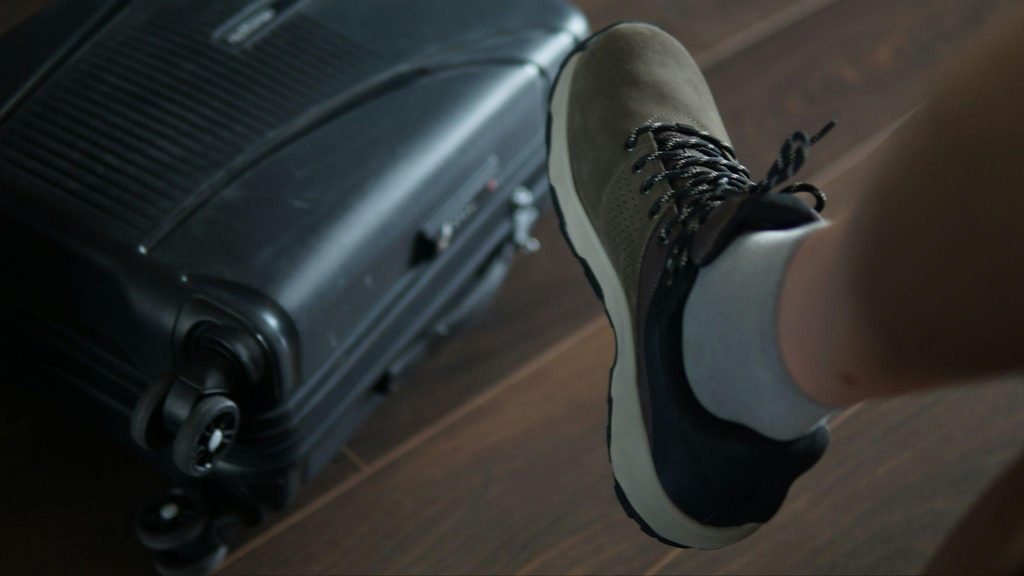
Travel outfits are often planned around photographs, but footwear has to survive everything that happens between those photographs.
If your itinerary includes museums, city streets, trails, festival grounds, parks, or large attractions, you may walk far more than expected. Bring shoes you have already worn for long periods rather than testing a brand-new pair during the trip.
One dependable walking shoe can cover most activities. If you need a second pair, give it a genuinely different purpose: sandals for hot weather, lightweight boots for rougher terrain, or something smarter for evening plans.
Socks deserve more attention than they usually receive. Comfortable, breathable pairs can reduce friction during long walking days, and carrying an extra pair in your day bag is useful if the originals become wet.
Avoid filling your luggage with multiple pairs simply because they match different outfits. Few things add weight faster than shoes, and most travelers eventually discover they repeatedly wear the same comfortable pair anyway.
Keep Sun and Weather Protection Easily Accessible
Outdoor protection is only useful when you can reach it.
Sunscreen buried at the bottom of a large suitcase will not help during an afternoon several miles from your accommodation. Keep a smaller version in your day bag and make reapplication easy rather than something that requires returning to your room.
Sunglasses, a lightweight rain layer, lip balm, and a refillable water bottle are similarly useful. Depending on the destination, insect repellent may deserve a place in the bag too.
A compact umbrella can be worthwhile for city-based travel, while a waterproof shell is usually easier when you will be walking trails or moving through crowded outdoor venues.
Also consider what needs protection from the weather. A small waterproof pouch can keep identification, cards, electronics, and other valuables safer during unexpected rain.
The objective is not to prepare for extreme conditions. It is to avoid allowing an ordinary change in weather to derail an otherwise enjoyable day.
Make Your Day Bag Work Harder
The bag you carry during the trip may matter more than the suitcase you use to get there.
Choose something large enough for genuine essentials but small enough that carrying it for eight hours does not become irritating. A compact backpack works well for active days, while a crossbody bag may be better for city sightseeing or events where you want quicker access to your belongings.
Pack according to what you will realistically need between leaving in the morning and returning at night. Water, sunscreen, a portable charger, sunglasses, a light layer, tissues, snacks, and a few personal essentials will cover many situations.
Avoid treating the bag as storage for every remote possibility. Extra weight becomes noticeable surprisingly quickly when you are walking all day.
A little organization helps too. Keep frequently used items in the easiest-to-reach compartments rather than repeatedly unpacking the entire bag to find sunscreen or a charging cable.
Packing for an outdoor-heavy trip is ultimately about reducing friction. Comfortable shoes let you keep walking, flexible layers handle changing temperatures, a useful day bag keeps essentials nearby, and thoughtful personal-care items make recovery easier once you return.
When each item has a clear purpose, you can usually pack less while being better prepared for the days you actually plan to spend outside.
 By Gregory O'Neill
Greg is a modern-day explorer with an insatiable love for travel. His passion for adventure has led him to far-flung corners of the world, where he immerses himself in diverse cultures and experiences. Greg's zest for life is epitomized by a continuous pursuit of new horizons and captivating journeys.


