
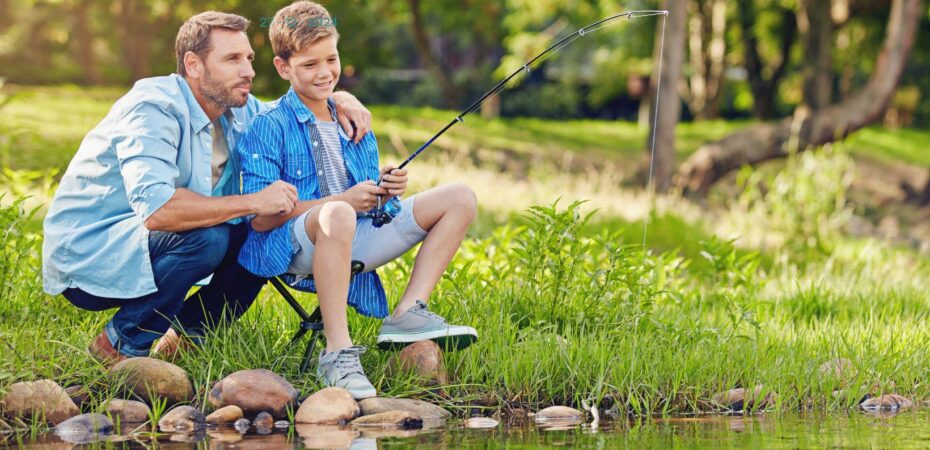
There’s something about standing near the water with a rod in your hand that slows everything down. You don’t need to know everything to start, and honestly, most people don’t. Fishing has a way of meeting you where you are. It’s quiet without feeling empty, and it rewards patience more than perfection. If you’ve been thinking about trying it, or you’re just tired of overcomplicating things, this is a good place to start.
Getting Started Right
The biggest mistake beginners make is assuming they need a truckload of gear and a working knowledge of every species in the lake. You don’t. A basic rod and reel combo, a small tackle box, and a little time are enough to get going. The real focus early on is understanding water, not gear. Look for movement, shadows, or areas where fish might feel protected, like near rocks, fallen trees, or grassy edges.
People often search for complicated answers when they’re figuring out how to start fishing, but the truth is simpler than expected. Pick a local pond or lake, go at a time when the water feels alive, early morning or just before sunset tends to be forgiving, and stay curious. You’re not trying to master the sport in one afternoon. You’re learning how to notice things, how the water moves, how fish react, and how your own patience holds up.
There’s also a mental shift that happens once you accept that fishing isn’t about constant action. Some days you catch a few, some days you don’t catch anything at all, and both days still count. That’s part of the draw.
Understanding The Water
Fish aren’t randomly swimming around waiting for bait. They follow patterns, even if those patterns feel subtle at first. Temperature, light, and structure all matter. Warmer water usually pulls fish into shallower areas, while cooler conditions can push them deeper. Overcast days often work in your favor because fish feel safer moving around without direct sunlight exposing them.
Pay attention to where the water changes. A drop-off, a patch of weeds, or even a slight difference in color can signal a place where fish gather. These spots act like natural meeting points. Once you start recognizing them, fishing becomes less about luck and more about reading what’s in front of you.
Wind can also be a quiet ally. It pushes food toward certain areas, and fish follow that movement. If you notice a breeze hitting one side of a lake, that side might be worth your time.
Gear That Works
You don’t need to spend a fortune, but you do need gear that won’t fight against you. A medium-action rod is usually a safe bet for beginners because it handles a wide range of fish without feeling too stiff or too loose. Pair it with a spinning reel, and you’ve got something that’s easy to control and forgiving while you learn.
Clothing gets overlooked, but it makes a difference, especially if you’re out for a while. When it comes to fishing gear, high-performance clothing is a must because it keeps you comfortable when conditions shift, whether that means blocking sun, managing sweat, or keeping you warm when the temperature dips unexpectedly. If you’re distracted by being too hot or too cold, you’re not paying attention to the water, and that’s where most of the learning happens.
Keep your tackle simple. A few hooks, some weights, and a handful of basic lures will carry you further than an overstuffed box of things you don’t understand yet. As you gain experience, you’ll naturally start adding pieces that make sense for how and where you fish.
Patience And Timing
Fishing has a way of testing your ability to sit still without zoning out. There’s a difference between waiting and paying attention, and the people who catch more fish usually fall into the second category. They’re watching their line, noticing subtle movements, adjusting their cast, and staying engaged even when things are slow.
Timing plays a role, but it’s not something you need to obsess over. Early mornings and evenings tend to be more active, but that doesn’t mean midday is useless. Sometimes it just means you need to adjust where you’re casting or how you’re presenting your bait.
There’s also a rhythm that develops over time. You start to feel when something is off or when a spot has more potential. That kind of instinct doesn’t come from reading about fishing. It comes from being out there, making small adjustments, and seeing what happens.
Learning As You Go
Nobody gets good at fishing overnight, and that’s part of what makes it stick. Every trip adds a layer of understanding, even the frustrating ones. Maybe you realize your bait wasn’t sitting right, or you notice that fish were active in one area but not another. Those small observations build into something useful.
Talk to people when you can. Not in a forced way, but if someone nearby is having a good day, there’s usually a reason. Most anglers are willing to share a tip or two, especially if you’re genuine about learning. You don’t need to copy everything they do, but it helps to see how others approach the same water.
Over time, your setup becomes more personal. You figure out what feels right in your hands, what kind of spots you enjoy, and what pace works for you. That’s when fishing starts to feel less like a hobby you’re trying and more like something you actually do.
Keep It Enjoyable
It’s easy to fall into the trap of measuring success by how many fish you catch, but that mindset can drain the experience pretty quickly. Some of the best days happen when the water is calm, the air feels right, and you’re not checking your watch every ten minutes.
Fishing works best when you let it be what it is. A break from noise, a chance to slow down, and a reason to spend time outside without needing a big payoff. The catches will come, but they’re not the only reason to show up.
A Good Day On The Water
At some point, it clicks. Not in a dramatic way, but in a quiet, steady sense that you know what you’re doing, even if you’re still learning. You start trusting your instincts, making small adjustments without overthinking them, and enjoying the time out there without needing constant results. That’s when fishing really starts to feel like yours.
 By Amey Myers