
A long range electric bike gives you the freedom to go farther than a quick neighborhood loop—but the farther you go, the more “small problems” can turn into trip-enders if you’re not prepared. The goal of accessories isn’t to overload your bike with gear; it’s to pack the few items that keep you rolling, keep you comfortable, and keep your plan flexible when weather, terrain, or battery reality doesn’t match the brochure.
The first thing to prioritize is visibility, because long rides often stretch into early mornings, late afternoons, or shaded trails where drivers and pedestrians don’t expect you. A bright front light and a truly noticeable rear light (not a tiny “be seen if someone is already looking” light) are the difference between feeling confident and feeling invisible, especially on mixed-use paths and roadside shoulders.
Helmet: Comfort Equals Endurance
Right after lights comes a good helmet, because long-range riding increases your exposure time—more minutes on the road means more chances for the unexpected. If you want one simple upgrade, choose a helmet with better ventilation and a comfortable fit, since discomfort becomes a real issue after an hour or two.Consider helmets with MIPS (Multi-directional Impact Protection System) for added protection against rotational forces in case of a crash.
Bike Lock
For long range trips, a proper bike lock matters even if you’re “just stopping for snacks.” A solid U-lock (or a strong folding lock) plus a cable for the front wheel is a common, practical combo when you’ll be leaving the electric bike outside cafes, trailheads, viewpoints, or convenience stores during a full-day ride.
If you only bring one “save my ride” tool, make it a compact tire inflation solution. A mini pump is reliable and never runs out, while a small CO₂ inflator is fast and easy; many riders carry both—CO₂ for quick fixes, pump as backup for a second flat or slow leak.If you use a cable lock, choose one with a thickness of 10-12mm, but remember it’s secondary to the U-lock.
Tire Inflation
Long rides also make flats more likely, which is why a flat repair kit is non-negotiable. At minimum, carry tire levers, a spare tube (or patch kit), and a basic puncture solution; if you’re running tubeless tires, include plug strips (“bacon strips”) and a small tool to insert them.
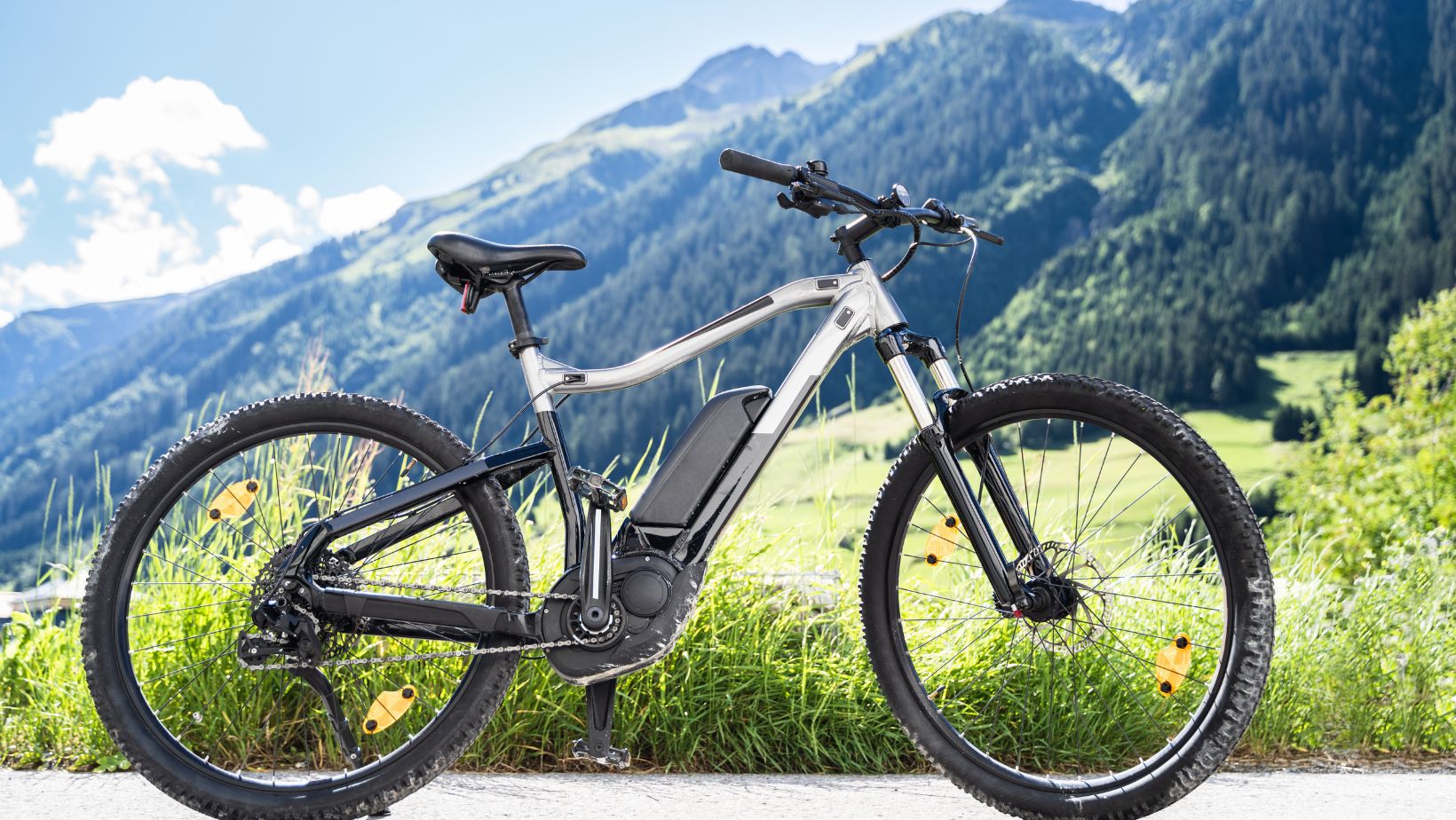
A 16-25g CO₂ cartridge is ideal for quick tire inflation. Carry one CO₂ cartridge for quick fixes, and consider a mini pump as a backup.
Multi-Tool
A multi-tool with the basics—Allen keys, screwdrivers, and ideally a chain tool—covers most of the “something rattled loose” problems that appear after miles of vibration. It’s the kind of accessory you’ll barely think about until the moment it saves you from turning your adventure into a long walk.A compact multi-tool should weigh between 100g-200g. Tools like the Crankbrothers M19 or Lezyne V-5 are lightweight and effective.
Chain Maintenance
Speaking of chains, a small bottle of chain lube and a quick rag or wipe can be surprisingly valuable on multi-day rides or dusty routes. A squeaky, dry chain wastes energy and can start shifting poorly—two things you don’t want when your goal is maximizing range and keeping the ride smooth.A microfiber rag or wet wipes is handy for cleaning the chain during breaks.
Charging Strategy
For range planning, your most important “accessory” is actually a charging strategy. Bring your charger when it makes sense, and consider a small pouch for it so it doesn’t get crushed; if you’re traveling, a compact outlet adapter (and a short extension cord) can turn a “no accessible outlet” stop into an easy top-up at a café or lodging.
Power Bank
Even if you’re not charging the bike battery mid-ride, you still need your phone for maps, photos, and emergencies, so a power bank is a long-range essential. A dead phone on an unfamiliar route is one of the fastest ways a fun ride becomes stressful, especially when you’re counting on navigation or checking weather.
Secure Phone Mount
To keep navigation simple and safe, a secure phone mount helps you avoid one-handed riding while constantly checking directions. Choose one that holds the phone firmly over bumps, because long-range routes often include gravel patches, expansion joints, and rough pavement that can shake loose weaker mounts.Choose mounts with shock-absorbing features or silicone cushioning to prevent phone damage from bumps and vibrations.
Padded Gloves
Comfort matters more than people expect, and long rides punish small fit issues. Padded gloves reduce numbness, improve control on rough surfaces, and make braking more comfortable over time—especially on descents where you’re feathering the brakes repeatedly.Gloves made from breathable materials with added padding in the pressure points (e.g., base of the thumb) will offer comfort, especially on rough terrain or during descents.
Weather Layer
Weather swings are a classic travel surprise, so a packable windbreaker or rain shell is one of the best “space-to-value” items you can carry. Even a light layer can prevent getting chilled on fast downhill sections or after sweating through a climb, and it keeps you riding when a quick shower would otherwise send you home.Look for materials that balance water resistance and breathability to keep you comfortable during changing conditions.
Hydration & Fuel
Hydration and energy are the quiet heroes of long-range riding, so bring a reliable water setup—bottles, a hydration pack, or both—plus simple snacks you’ll actually eat when you’re tired. The best long-range accessory isn’t fancy; it’s having water and calories before you realize you needed them ten miles ago.
Cargo Setup
If your route involves stops, photos, or travel-style exploring, cargo capacity becomes a comfort feature, not just a convenience. A small rear rack with panniers or a sturdy bag keeps weight off your back, reduces sweat, and stabilizes handling compared with riding for hours with a heavy backpack.A rear rack should support up to 10-15kg of cargo without affecting your bike’s handling.
First-Aid Mini Kit
For safety and “just in case” moments, a small first-aid mini kit is worth it, even if it’s minimal—bandages, antiseptic wipes, and blister care go a long way. Long-range rides often fail not because of a dramatic crash, but because a small issue becomes too annoying or painful to ignore.Keep it compact and lightweight, ideally no heavier than 100g-150g, so it doesn’t take up much space in your bag.
Another long-distance partner
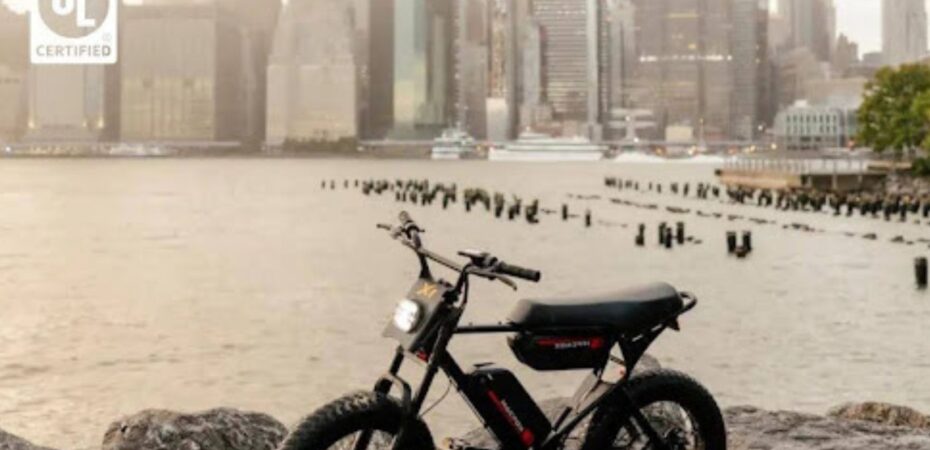
The Macfox X1 electric bike is well-suited for long-range rides due to its strong 500W motor with a peak power of 750W, allowing for efficient performance on various terrains. It offers a range of 28miles per charge, with an option to extend this by adding a second battery, effectively doubling the distance. The bike features 20″ x 4.0″ fat tires for improved traction, front suspension for comfort, and an ergonomic seat, ensuring a smooth and comfortable ride even over long distances. Additionally, its removable battery, LED lights, and durable frame make it practical for extended trips, enhancing both convenience and safety.
Final Tips
Finally, the best accessory for long range electric bike adventures is a mindset: pack for the problems that end rides—visibility, flats, power, weather, and comfort—and skip the stuff that only looks useful in the garage. If you can handle a flat, stay charged, stay seen, and stay comfortable, you’ll be able to turn “I hope I make it” into “let’s see what’s over the next hill.”
 By
By