
Most people’s idea of an Italian summer involves heat, crowds, and overpriced cocktails on an Amalfi terrace. South Tyrol offers a completely different version: cool mountain air, Dolomite peaks, and spa hotels that actually justify the price tag.
The region doesn’t shout about it much, which is part of the appeal. While the Italian coasts are packed to breaking point from June through August, South Tyrol sits at altitude doing its own quiet thing. Temperatures stay manageable. Trails are dry. The spa pools aren’t shared with 200 strangers.
Summer’s the season where the wellness side of these hotels earns its keep in ways it can’t during winter skiing months. Mornings work perfectly for hiking – trails starting from hotel grounds in some cases, covering terrain from gentle valley paths to serious climbs through Fanes-Sennes-Prags Nature Park. You come back genuinely tired, not performing tiredness.
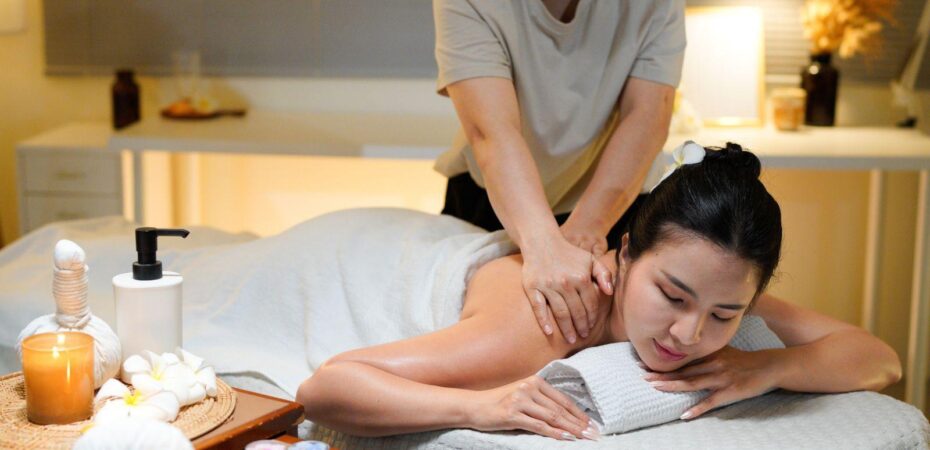
That’s when spa facilities make sense. Thousands of square metres of wellness space (multiple pools, sauna worlds, treatment rooms) built for bodies that’ve done actual things, not just sat through meetings. Among one spa hotels in Italy, the treatments reflect where you are: products sourced from regional farms and Alpine herb gardens, therapists who understand what a day on mountain terrain does to muscles. Hay baths, herbal wraps, thermal spring pools. Nothing you’d find in a city spa pretending nature exists.
The food is worth talking about. South Tyrol sits where Italian and Austrian cooking cross-pollinate, and the better wellness hotels exploit this fully. Dinner menus run five courses using local ingredients – beef from Passeier Valley farms, lake fish from Caldaro, and herbs from the hotel’s own garden. It’s described as Alpine-Mediterranean, which sounds like marketing but actually means something here: lighter Italian touches on heartier mountain produce, done properly rather than as a concept.
Specialist seals help narrow down which property suits you. Hotels carrying the Premium Spa designation have gone furthest with facilities – the biggest thermal areas, most treatment options, longest opening hours. Active-focused properties pair the spa with structured outdoor programming: guided hikes with local mountain experts, yoga in meadows above the treeline, Nordic walking programmes. Romantic-designated spots are smaller and quieter, designed around couples wanting to disappear for a few days. Family options add children’s wellness areas and supervised activities so parents can actually use the spa guilt-free.
Thirty-odd hotels spread across several valleys means real choice by landscape. The Dolomites area (Alta Badia, Val Gardena) gives you UNESCO geology and those limestone peaks that look almost fictional in good light. Merano sits lower and warmer, surrounded by vineyards and fruit orchards. Valle Aurina pushes north into wilder, more remote territory. Each picks a different mood.
Quality’s not left to chance. Member hotels go through anonymous independent checks regularly: facilities, food, service, spa standards. The certification isn’t decorative. Summer pricing runs lower than the Christmas and February peaks, which makes the value case straightforward. Same mountains, same spa facilities, a fraction fewer people. The hiking’s better in July than in January anyway.
 By
By