
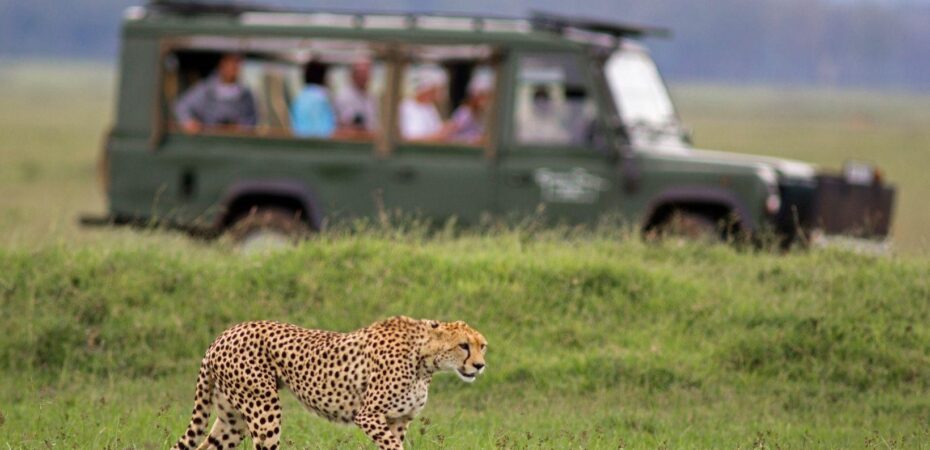
East Africa is a year-round safari destination, but the time of year you choose to travel has a profound impact on what you see, where you can go and how you experience the natural world around you. Kenya and Uganda, two of the region’s most celebrated safari destinations, have distinct seasonal patterns that affect everything from wildlife visibility and road conditions to crowd levels and accommodation prices. Whether you are considering a Uganda safarixq with Africa Safari Trips or still weighing up your options across the region, understanding the seasons is one of the most important steps in planning a trip that delivers everything you are hoping for.
Why the season matters more in East Africa than anywhere else
In many parts of the world, the difference between seasons is relatively minor from a traveler’s perspective. In East Africa, the seasons shape the entire character of the safari experience. The difference between the dry season and the wet season in Kenya or Uganda is not simply a matter of whether to pack a rain jacket. It affects vegetation density, animal movement patterns, road accessibility, the availability of certain wildlife experiences and the overall atmosphere of the parks themselves.
Understanding the seasonal rhythms of East Africa also helps you manage your expectations. A traveler who arrives in the Masai Mara in April expecting the same conditions as July will have a very different experience from what they imagined. By contrast, a traveler who understands what each season offers and chooses their timing accordingly is far more likely to come home with the memories they were hoping to create.
Kenya’s dry season: the peak of safari excellence
Kenya’s main dry season runs from June to October and is widely regarded as the best overall time to visit the country for a safari. During these months, rainfall is minimal and temperatures are comfortable, typically warm during the day and cool in the evenings. The vegetation dries out and thins considerably, making it much easier to spot wildlife across the open savannas and in the bush.
Animals in the dry season are drawn to permanent water sources such as rivers, waterholes and swamps, creating natural gathering points where large numbers of different species can be observed in close proximity. Game drives during this period are consistently productive, with frequent sightings of lions, leopards, cheetahs, elephants, buffalos and a wide variety of plains game. The Masai Mara, Amboseli and Tsavo are all at their best during the dry season, and the parks are buzzing with activity from both wildlife and visitors.
The Great Migration: Kenya’s most time-sensitive spectacle
Within Kenya’s dry season, the period from July to October holds a special significance for one reason above all others: the Great Migration. This annual movement of more than one and a half million wildebeest, accompanied by hundreds of thousands of zebras and gazelles, brings the herds northward from Tanzania’s Serengeti into the Masai Mara in search of fresh grazing. The result is one of the greatest wildlife spectacles on earth.
The river crossings, where vast columns of wildebeest plunge into the crocodile-filled Mara River, are the defining moments of the migration and among the most dramatic scenes in the natural world. The exact timing of the crossings varies from year to year depending on rainfall patterns, but the peak period is generally between August and early October. Travelers who time their visit to coincide with the migration and secure a camp or lodge close to the river crossing points are rewarded with an experience that few other destinations in the world can rival.
Kenya’s green season: a different kind of safari experience
Kenya’s green seasons, the long rains from April to June and the short rains from November to December, offer a very different safari experience from the dry season. The landscape transforms dramatically during these periods, with the savanna turning a vivid green and the rivers running full and fast. Migratory birds arrive in large numbers, making the green season a paradise for birdwatchers, and newborn animals are abundant as many species time their births to coincide with the flush of fresh vegetation.
Wildlife viewing can be more challenging during the rains, as the dense vegetation provides more cover for animals and some roads become difficult to navigate. However, the parks are quieter, accommodation rates are lower and the overall atmosphere is more peaceful and intimate. For Kenya safari tours in Africa, the green season represents excellent value for money and a genuinely different perspective on the Kenyan bush that many experienced safari travelers actively seek out.
Uganda’s dry seasons: the best time for gorilla trekking and game drives
Uganda has two dry seasons: the main dry season from June to August and a shorter dry period from December to February. Both are excellent times to visit for game drives and gorilla trekking, though the main dry season from June to August is generally considered the better of the two for overall safari conditions.
During the dry season, the trails in Bwindi Impenetrable Forest are drier and more manageable, making the gorilla trek physically less demanding than during the rains. The vegetation in Uganda’s savanna parks, including Queen Elizabeth and Murchison Falls, thins out enough to improve wildlife visibility, and the roads between parks are in their best condition. The dry season is also the peak tourist season in Uganda, which means higher demand for gorilla trekking permits. Booking several months in advance is essential to secure a permit on your preferred date.
Uganda’s wet season: what to expect in the rainforest
Uganda receives rainfall during two wet seasons: the long rains from March to May and the short rains from September to November. During these periods, the country’s forests and wetlands are at their most lush and vibrant, and the birdlife is exceptionally active. Uganda’s more than one thousand bird species are easier to find and observe during the wet season, making it an outstanding destination for serious birdwatchers at any time of year.
Gorilla trekking is possible throughout the year in Uganda, but the wet season treks are considerably more demanding. The forest trails become slippery and muddy, and the gorillas themselves may move to higher and more remote parts of the forest in response to the rainfall. For fit and experienced hikers who do not mind the physical challenge, the wet season trek has its own rewards, including a quieter and more atmospheric experience in the ancient forest with fewer other visitors present.
Comparing the seasons: Kenya vs. Uganda month by month
January and February are excellent in both countries, with dry conditions in Kenya’s southern parks and good gorilla trekking conditions in Uganda. March through May brings the long rains to Kenya, reducing wildlife visibility, while Uganda’s gorilla trekking becomes more physically challenging. June to August is the peak season for both countries, with outstanding game viewing in Kenya and the best overall trekking conditions in Uganda. September and October deliver the climax of the Great Migration in Kenya, while Uganda begins its short wet season. November and December see the short rains arrive in Kenya, while Uganda’s second dry season provides another good window for gorilla trekking and game drives.
For travelers combining both countries in a single trip, the period from June to August offers the best overall conditions across both destinations simultaneously, making it the ideal window for an East Africa combination safari.
How to choose the right time for your East Africa safari
Choosing the right time to visit Kenya and Uganda depends on a combination of personal priorities, flexibility and budget. If witnessing the Great Migration is your primary goal, July to October in Kenya is non-negotiable. If gorilla trekking in the best possible conditions is what you are after, June to August or December to February in Uganda are your best options. If budget is a key consideration, the shoulder seasons in both countries offer significant savings without completely sacrificing the quality of the experience.
Travelers who are visiting both countries in a single trip should plan their itinerary carefully to take advantage of the seasonal strengths of each destination. Starting with Uganda’s gorilla trekking in June or July before moving to Kenya for the peak of the Great Migration in August or September is a logical and highly rewarding sequence that many experienced East Africa travelers follow.
Timing your trip for the experience of a lifetime
East Africa rewards travelers who take the time to understand its seasonal rhythms. The difference between a well-timed safari and a poorly timed one can be enormous, not in terms of whether you have a good experience, but in terms of how extraordinary that experience becomes. Kenya and Uganda are both exceptional destinations at the right time of year, and with careful planning, a combined trip through both countries can deliver a safari experience that exceeds every expectation you bring to it.
 By
By 


