

London feels open and easy at first glance. Streets stay busy late into the night, pubs fill quickly after work, and crowds move between markets, music venues, and late cafés. Visitors often assume the city operates with few boundaries. The reality looks slightly different once you spend a few days observing how locals behave. Someone sitting outside a pub in Camden or walking through Soho late in the evening will eventually notice quiet conversations about everyday details of city life. A traveler scrolling through local discussions after a long night out might come across people casually mentioning weed in London, not as a spectacle but as part of a broader conversation about how the city balances relaxed social habits with strict legal rules.
Public Behavior Still Follows Clear Boundaries
London welcomes millions of visitors every year, yet public behavior remains guided by unwritten expectations. The city rarely displays these rules openly. They appear in the way people interact with space and with each other.
Several patterns become obvious once you watch closely:
- Noise matters more than many travelers expect
Residents of central neighborhoods often report disturbances. Loud groups outside apartments late at night attract quick complaints. - Personal space is respected even in crowded areas
Queues form naturally and people rarely push ahead, even during busy hours in the Underground. - Street drinking is limited by local councils
Certain boroughs restrict alcohol consumption in public areas, particularly near residential streets.
Tourists who ignore these habits often stand out immediately. A group celebrating loudly in a quiet residential lane might receive attention from neighbors or local authorities much faster than they expect.
Transport Etiquette Shapes the Daily Rhythm
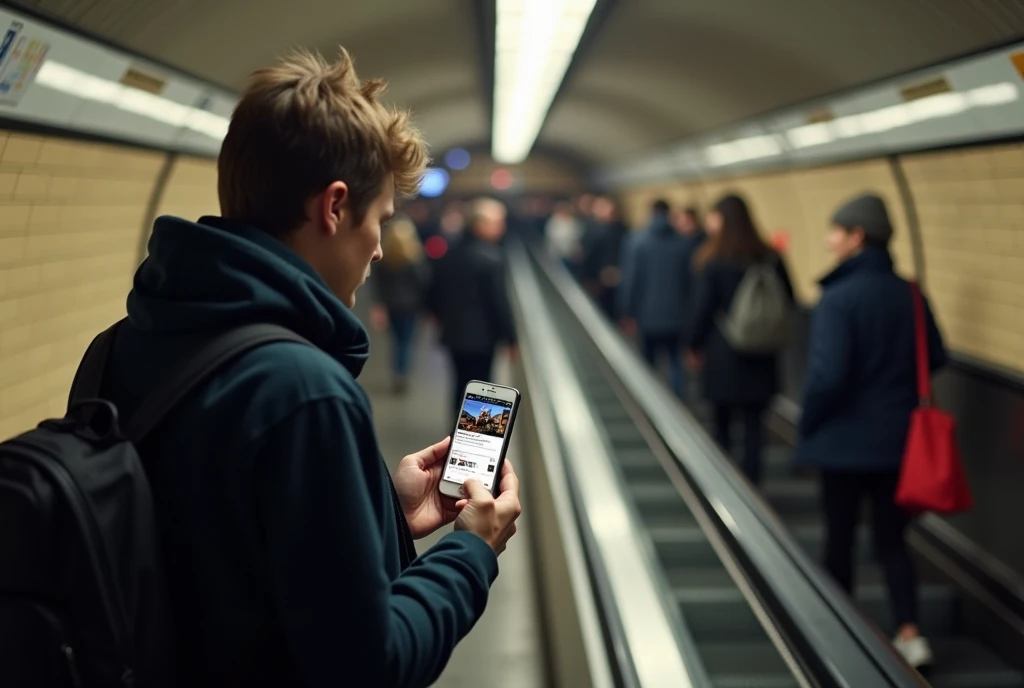
London’s transport network carries more than five million passengers on an average weekday. That constant movement created its own set of rules, many of which locals follow instinctively.
Visitors quickly learn a few essential habits:
• Stand on the right side of escalators
People walking in a hurry pass on the left.
• Remove backpacks in crowded carriages
Keeping bags on your back during rush hour blocks space.
• Let passengers leave the train first
The pause before boarding may last only seconds, yet locals observe it carefully.
Ignoring these details rarely leads to confrontation. Instead, you might notice subtle reactions. A few raised eyebrows, a short sigh from someone trying to pass, or a quick reminder from a commuter.
These small interactions reveal how seriously Londoners treat the flow of public space.
Nightlife Comes With Quiet Expectations
London’s nightlife spreads across districts such as Soho, Shoreditch, and Camden. Music venues, cocktail bars, and late food stalls create an atmosphere that feels almost continuous through the weekend.
Local authorities still enforce clear limits. Most venues operate under strict licensing conditions that regulate closing times, crowd control, and noise levels. A pub may look relaxed inside, yet staff watch carefully once guests step outside.
Common situations visitors should remember include:
- Large groups are often refused entry after certain hours
Clubs attempt to prevent overcrowding and disorder. - Smoking areas are monitored closely
Staff guide guests away from residential doorways. - Public transport shuts down earlier than nightlife ends
Night buses replace trains in many districts after midnight.
These details shape the rhythm of a London night. The city encourages social life, yet it also protects residential areas that exist only a few streets away from busy venues.
Respect for Neighborhood Culture
London is less a single city than a collection of distinct neighborhoods. Each district carries its own expectations about daily life.
Consider a few contrasts travelers notice quickly:
• Notting Hill values quiet residential streets and early mornings.
• Shoreditch thrives on street art, nightlife, and creative studios.
• Greenwich moves at a slower pace shaped by parks and historic sites.
A visitor who spends time observing these differences usually avoids friction. Someone leaving a nightclub district at two in the morning might behave very differently when walking through a quiet residential square a few blocks away.
Local culture often works through subtle signals rather than written rules.
Small Details That Make a Big Difference
Experienced travelers often say London reveals itself through details rather than landmarks. Museums and historical buildings attract attention, though everyday interactions leave the stronger impression.
A few habits help visitors blend naturally into the rhythm of the city:
- Move quickly in busy spaces
Commuters treat time seriously during weekday mornings. - Lower your voice in enclosed public places
Cafés, trains, and buses rarely become loud environments. - Observe before acting
Watching how locals behave usually answers most questions.
These adjustments require little effort. The result is a smoother experience and a better understanding of how the city actually works.
A City That Rewards Awareness
London rarely punishes visitors for simple mistakes. Most locals understand that travelers arrive with different expectations. At the same time, the city operates through a delicate balance between openness and structure.
People come to London looking for energy, culture, and freedom to explore. The same city runs on quiet agreements that keep millions of residents and visitors moving through the same streets every day.
Travelers who notice those patterns discover something deeper than famous landmarks. They begin to understand the rhythm that holds one of the world’s busiest cities together.
 By Gregory O'Neill
Greg is a modern-day explorer with an insatiable love for travel. His passion for adventure has led him to far-flung corners of the world, where he immerses himself in diverse cultures and experiences. Greg's zest for life is epitomized by a continuous pursuit of new horizons and captivating journeys.


