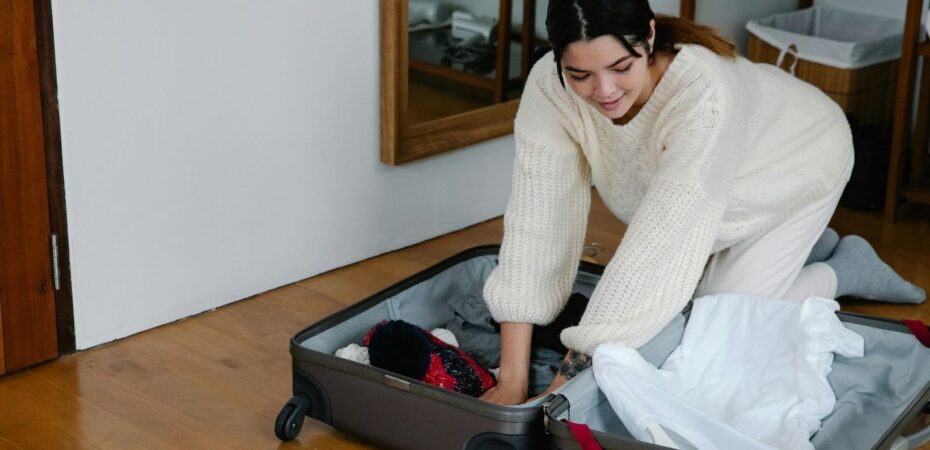
There are nearly 1,000 home fires reported every day, with a significant portion sparked by preventable system failures and electrical malfunctions. The risk spikes significantly when a house sits empty for days or weeks. And whether it is time to chase the summer sun or you are heading to the mountains for a winter ski trip, your home needs a strategy to handle the elements while you are away.
Want to return to a sanctuary rather than a disaster zone? Planning ahead helps you with that, and preventing expensive seasonal emergencies.
Securing The Perimeter Against Seasonal Shifts
Windows and doors are the culprit failure points when the weather turns aggressive. A quick check of your weather stripping can prevent a minor rainstorm from becoming an indoor flood or a cold snap from freezing your interior pipes. Weatherproof it, water stays outside, a dry home saves you thousands in restoration costs.
Consider these quick exterior wins before you lock the door:
- Clean all gutters to prevent ice dams or summer overflow
- Check that your sump pump has a working battery backup
- Test your smart home security cameras and motion lights
Maximizing HVAC Reliability and Efficiency
Coming home to a furnace that died in January or an AC that gave out in July is a nightmare that most travelers eventually face. Professionals now use digital tools to create HVAC job estimates in minutes so you can get repairs handled before you even pack a bag. This speed allows you to secure a fair price and avoid the premium “emergency” rates contractors charge when you call them from another time zone.
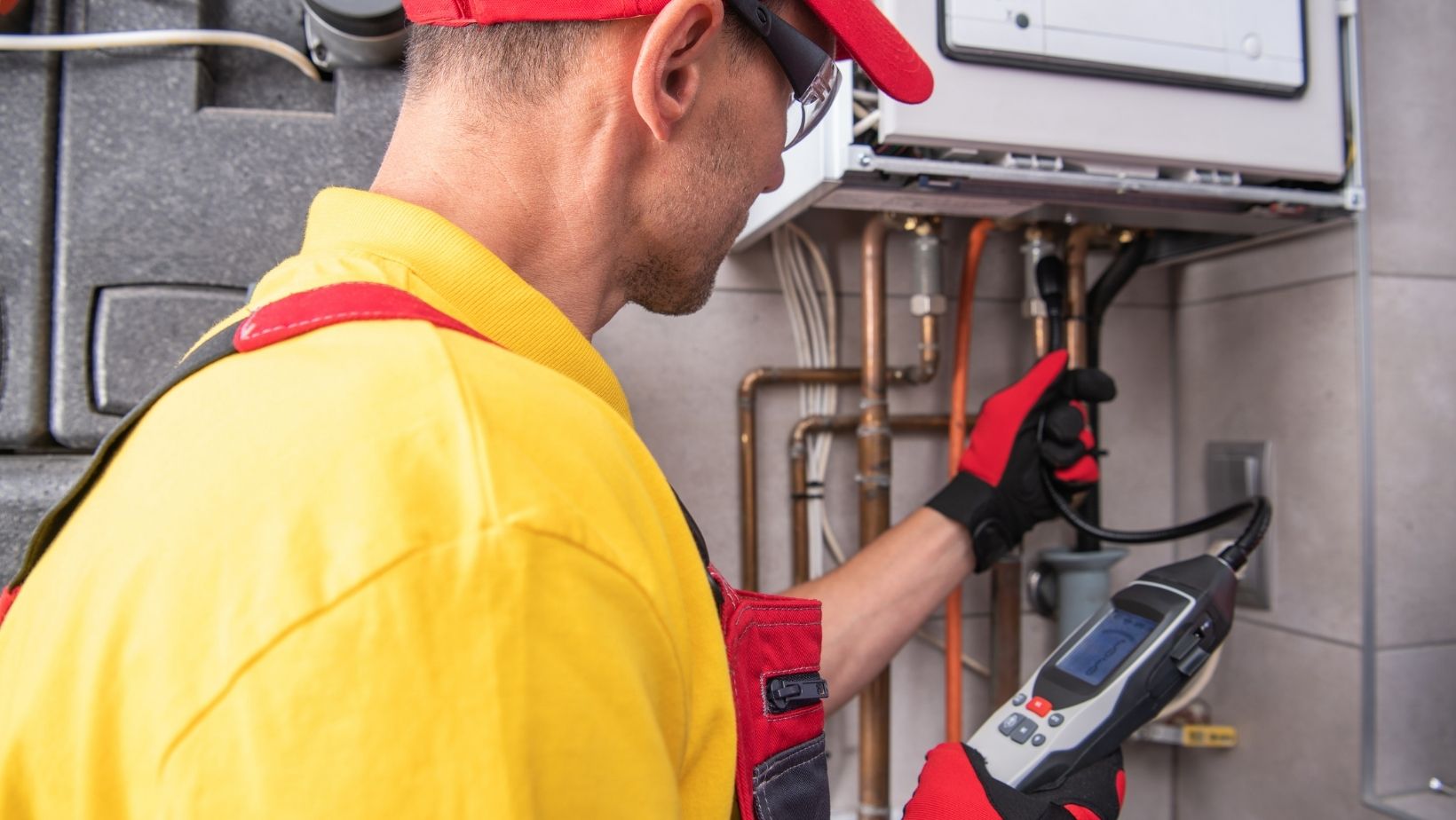
Setting your thermostat correctly protects your property. If you leave your cooling off entirely during a heatwave, the humidity can cause wood floors to warp and mold to bloom in the drywall. Aim for a balanced setting that keeps the air moving without running up a massive bill while the house is empty.
Managing Modern Power and Technology Risks
Vampire power draw is a real drain on your wallet, but the bigger concern is the surge risk to your expensive electronics during seasonal storms. Unplugging non-essential appliances like coffee makers and printers adds a layer of fire safety that a surge protector alone cannot provide. It also ensures that if a circuit trips while you are away, it won’t be because of a minor appliance glitch.
Protecting Your Plumbing From Temperature Extremes
Water damage is arguably the most destructive force a vacant home faces, more so during the winter months. Research shows that indoor summer temperatures are climbing significantly, and this puts immense pressure on your home’s internal climate and plumbing seals.
If you are traveling during a deep freeze, consider shutting off the main water valve entirely. Also drain the lines to eliminate the possibility of a burst pipe.
Building a Reliable Support Network
Even the best automated systems cannot replace a pair of human eyes checking on your property once a week. Having a neighbor or a professional house sitter stop by ensures that a small leak or a fallen branch doesn’t turn into a total loss. True peace of mind comes from local eyes, because a camera can see a problem but a neighbor can actually fix it.
According to experts who specialize in how to plan a trip, having a solid home contingency plan is just as vital as booking your flights.
Home Defense for the Long Haul
Small but important preparation steps can help ensure your vacation memories aren’t immediately replaced by the stress of home repairs. A little foresight regarding your HVAC and plumbing transforms your return from a gamble into a guaranteed soft landing. Check out our other guides for more tips on streamlining your travel lifestyle and maintaining a resilient home.
 By
By