
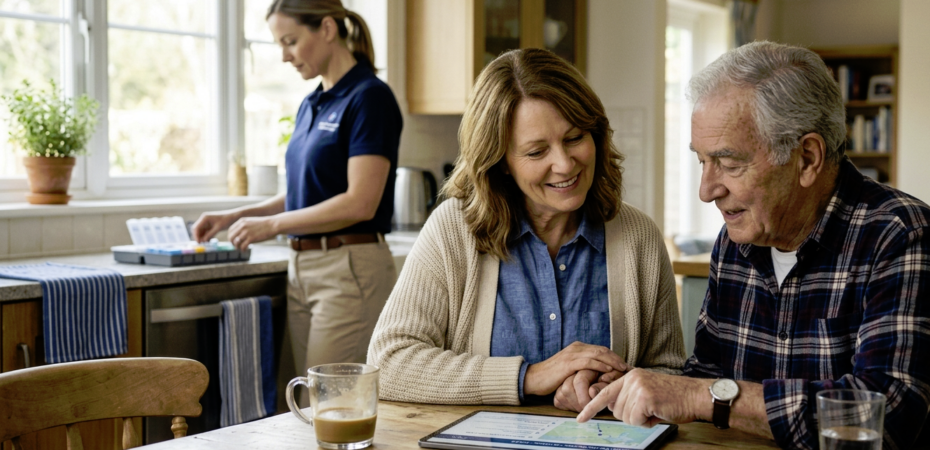
There are 59 million family caregivers in the United States providing unpaid support every single day. Taking a vacation as a primary caregiver is not just a luxury; it is a necessary reset to prevent burnout and ensure you can continue showing up for your loved one. With the demand for professional respite care increasing, especially as over 80% of seniors plan their own travel, securing reliable help for your parent is a high-priority logistics task.
Planning a trip when you have an aging parent requires more than just booking a flight. It demands a tactical approach to coverage that ensures their safety and your peace of mind while you are away. By establishing a “holiday care plan,” you can address health barriers and ensure a structured support system is in place.
Assess Daily Care Requirements Early
Before you look at a hotel listing, you must audit your parents’ current level of independence. It is easy to overlook the “invisible” tasks you do daily, like opening a pill bottle or checking the fridge for expired milk. A three-day audit of their daily routines is the most effective way to identify these subtle needs.
Spend these three days documenting every point of contact you have with them. Are you helping with Activities of Daily Living (ADLs) like bathing, or are you primarily providing companionship and transportation? This distinction is vital when interviewing agencies, as it determines whether you need a certified nursing assistant or a non-medical companion. Knowing exactly what is required prevents service gaps that could lead to an emergency mid-flight.
Vet and Book Professional Support
Once you know the level of care required, begin the hiring process at least six weeks before your departure date. Reliable in-home agencies often have waiting lists for short-term respite care, and rushing the process increases the risk of a poor match. High-quality residential respite often requires booking even earlier during peak travel months to guarantee a spot.
When evaluating your options, you will likely need to decide between different types of in-home care services based on your parent’s specific health needs. Some families only require someone to prepare meals and provide social interaction, while others need help with medication administration and mobility. Budgeting for these services is also essential, with 2026 benchmarks for home care averaging around $30 per hour.
To ensure a smooth transition, follow these steps before you leave:
- Schedule a “trial shift” where the caregiver works while you are still in the house
- Create a physical “care binder” containing medication schedules and doctor contacts
- Test any home monitoring tech or personal alarms to ensure they are functional
Establish Clear Communication Protocols
Even with professional help, you remain the primary advocate for your parents’ well-being. Before you depart, establish exactly how and when the caregiver should contact you. Using a shared digital log can allow the caregiver to post daily updates on mood, appetite, and medication adherence without requiring a lengthy phone call.
You should also designate a local emergency contact, such as a neighbor or another family member, who has a spare key and can get to the house in minutes. This person serves as a secondary layer of security if the professional caregiver faces an unexpected delay or a household issue, such as a power outage.
Logistics for a Seamless Handoff
The 48 hours before you leave are the most critical for a successful handoff. Ensure that all prescriptions are refilled for at least two weeks beyond your return date to account for potential travel delays. Walk the caregiver through the house to point out specific quirks, such as how to lock the back door or where the fuse box is located.
If your parent has cognitive decline or dementia, these handoffs should be low-stress and routine-oriented. Keeping the environment familiar and the schedule consistent is the best way to reduce “sundowning” or anxiety caused by your absence. When the caregiver arrives for their first solo shift, keep your departure brief to avoid escalating any emotional distress.
Support Through Comprehensive Home Care
While you are away, your focus should be on your own recuperation so you can return with renewed energy. If you are still unsure about the specific level of assistance your parent needs to remain safe at home, exploring detailed guides on professional care tiers is a great next step. Reading more about travel and dealing with the logistics of getting away is a good idea, and luckily, we’ve got plenty of useful posts on these topics across our site.
 By
By