
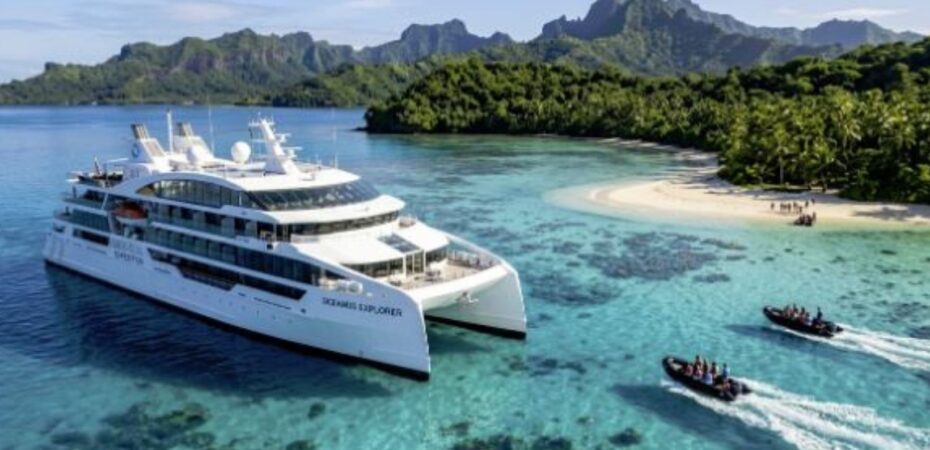
More than 300 cruise ships cater to the global market for mainstream oceanic travel, yet expedition-focused vessels are a little more specialized than the behemoths that roam the Mediterranean and the Caribbean. Each one offers a vastly different relationship with the water. Choosing the wrong vessel can mean the difference between watching a whale from a distant balcony and feeling the spray from a zodiac as a humpback breaches.
Understanding Hull Design and Stability
The shape of the ship beneath the waterline dictates how you will feel when the open ocean gets restless. Most traditional expedition ships use a standard displacement hull, which provides a classic cruising experience but can lead to significant rolling in heavy swells. For travelers prone to seasickness, a catamaran or a ship with an X-bow design offers a much smoother ride.
Multihull vessels provide a level horizon, keeping the floor steady even when the tide is pulling. Because catamarans have a wider footprint, they do not tip as deeply as narrow yachts. This stability allows the crew to navigate shallower coves and get you closer to the shoreline.
Comparing Small Yachts and Large Vessels
Small yachts generally carry fewer than 40 guests, creating an atmosphere that feels more like a private exploration than a commercial tour. These ships can tuck into tiny inlets that the 500-passenger giants cannot even approach. While larger ships offer more gyms and specialty dining, they often have to rotate guests for shore landings due to strict environmental regulations.
Many travelers prefer the intimacy of a smaller boat where the guide-to-guest ratio stays low to ensure every question gets answered. In the case of heading out on Galapagos tours and excursions it makes sense to focus on these smaller, specialized vessels, as it is usually the best way to maximize wildlife sightings. When the destination has so much to offer, you want a ship that functions as a base camp rather than a floating hotel.
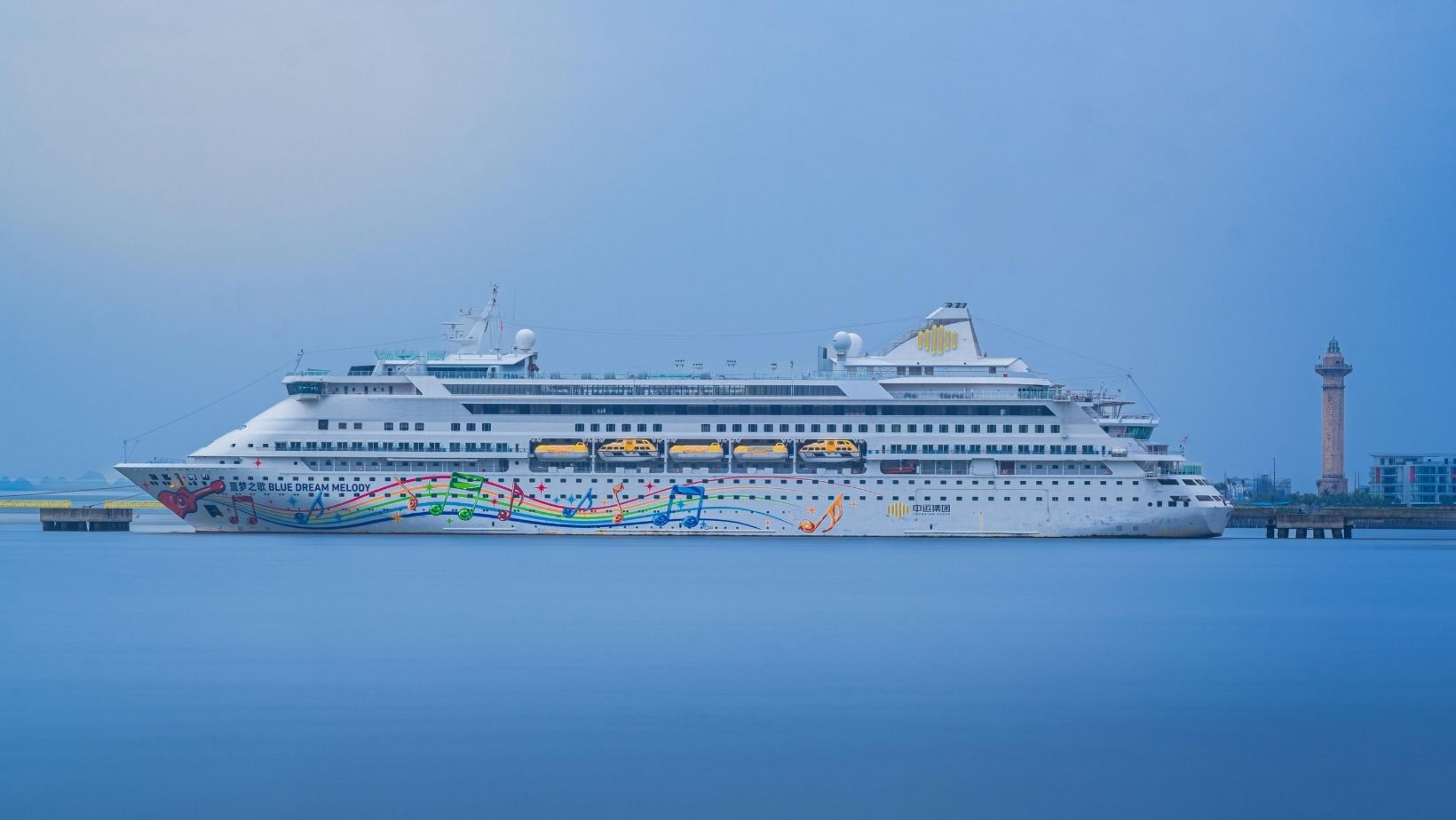
Modern expedition cruising relies on a few key pieces of equipment to make the experience seamless.
- Heavy duty zodiacs for wet landings on remote beaches
- Mudrooms with individual lockers for storing wet gear
- Onboard science labs for analyzing local water samples
Impact of Passenger Capacity on Landings
The math of an expedition is simple: the more people on the ship, the less time you spend on the ground. Regulations in many protected regions limit the number of people allowed on shore at one time to 100. If you are on a ship with 200 people, you will spend half your morning waiting in the lounge for your group to be called.
Purpose-built ships often feature multiple loading stations to get people into boats faster. Efficiency is vital, the clock is ticking, and every lost minute means less time with nature. When the ship can deploy its entire guest list at once, the itinerary feels much more relaxed and expansive.
Balancing Budget and Onboard Comfort
Luxury expedition ships have closed the gap between rugged adventure and five-star hospitality, and anyone planning to travel on a budget might be surprised by how much you’ll pay for the best of the bunch. You can now find ships equipped with submersibles, helicopters, and spas that rival the best resorts in the world. However, these bells and whistles come with a price tag that can easily double the cost of a standard expedition.
Think about how much time you actually plan to spend in your cabin versus out on the deck. High-end ships often feature all-suite accommodations with floor-to-ceiling windows so you never miss a pod of dolphins. If your goal is purely photography or citizen science, a mid-range vessel with a strong focus on expert lectures might provide better value.
Picking the Right Itinerary Intensity
Some cruises are designed for relaxation with occasional walks, while others are “expedition-heavy” with two or three landings a day. It is important to check the daily schedule to see whether the pace matches your physical fitness and level of interest. A ship might look perfect on paper, but if the daily hikes are too strenuous or too short, you will leave feeling frustrated.
Research the ship’s history, check the crew’s experience, and keep in mind that professional guides make the journey truly memorable. A ship is only as good as the people running the deck. When the expedition leader has a deep history with the destination, they can pivot the itinerary based on weather or wildlife movements to give you the best possible experience.
Finding the Best Vessel for Your Voyage
Selecting a ship requires balancing your personal comfort needs with your desire for authentic discovery. By focusing on hull stability, passenger counts, and the specific gear available on board, you can ensure your investment leads to the trip of a lifetime. You can find further inspiration for your next journey by browsing our latest articles on eco-friendly travel.
 By
By 


