
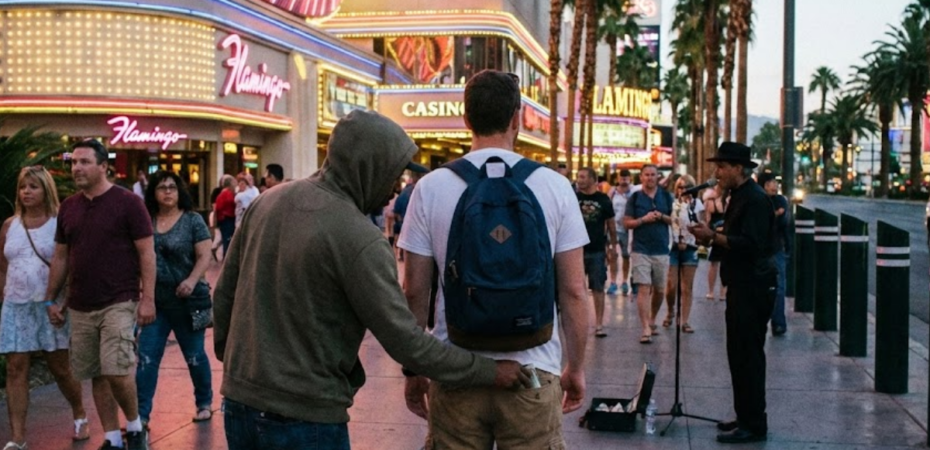
Casino tourism is booming, and destinations like Las Vegas, Macau and Singapore have built entire “all-in-one” resort ecosystems around it. But the same things that make casino cities exciting (late nights, crowds, cash, distractions) are also the ingredients for common travel safety problems.
If your goal is simply casino-style entertainment (without the risks and logistics of travelling), many people choose to play at home using regulated UK resources and reviews – for example WDWbingo.co.uk and its round-up of independent slot sites.
But if you are travelling, here’s a practical, real-world guide to staying safe in casino destinations – from the street to the casino floor to the “one more drink” moment.
1) Choose your “base” like a safety planner, not a vibes selector
Most casino cities are not uniformly risky – they’re patchwork. Tourist corridors are heavily policed and camera-covered, while a few streets away can feel very different after dark.
A simple way to plan: use a destination safety breakdown that separates risks (pickpockets, scams, taxis, etc.) rather than relying on one overall headline. For example, Travel Safe – Abroad’s Las Vegas guide flags pickpockets as a medium risk, highlights distraction-heavy areas, and notes specific safety dynamics around tourist zones.
Do this before booking:
- Pick a hotel where you can walk via busy, well-lit routes (or use short rideshares) rather than long cut-throughs.
- Read recent reviews for phrases like “parking garage,” “late-night walk,” “sketchy area,” “phone stolen,” “ATM,” “key card” – you’re looking for patterns, not one-off complaints.
- Screenshot your hotel address and local emergency numbers before you land (useful if your phone dies).
2) Get your “night transport” plan sorted early
Casino destinations are designed to keep you moving between venues. The safest choice is usually the most boring one: licensed taxis, verified rideshare pickup points, and hotel-ordered cars.
Street-smart habits still matter:
- Only get into the ride that matches your app (plate, make, driver name).
- If you’re walking: stick to main routes, avoid shortcuts behind casinos, and don’t flash cash or expensive devices.
- Assume crowds = opportunity for thieves (especially at busy crossings, escalators, and show exits).
3) Treat your phone like your passport
In casino cities, your phone is everything: room key access, banking, ride apps, maps, photos, tickets. Losing it can become a full-blown emergency.
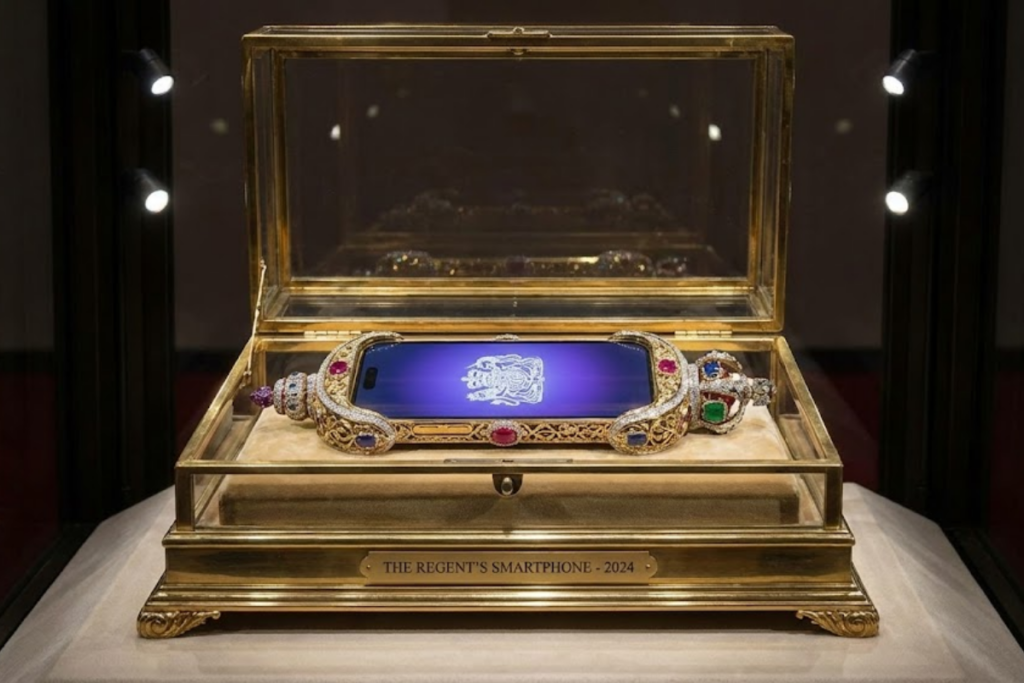
A veteran travel tip is to reduce “single point of failure” risk:
- Back up key documents (passport photo, insurance, bookings).
- Use a strong screen lock and disable lock-screen notification previews.
- Keep your phone in a front pocket or zipped crossbody bag in crowds; don’t place it on bars or tables where it can be swiped.
4) On the casino floor: stop “friendly” from becoming “vulnerable”
Casinos are generally high-surveillance environments – cameras, security, controlled entrances – which can be reassuring. But inside a casino you’re also more likely to be:
- distracted
- carrying cash
- approached by strangers
Practical rules that don’t kill the fun:
- Don’t leave your bag hanging off a chair; loop straps around your leg/chair.
- Don’t keep your full bankroll in one place.
- If someone is overly interested in what you’re playing, what you’ve won, or where you’re staying – that’s a cue to disengage.
Even mainstream travel safety guidance stresses the basics: limit what you carry, keep essentials secured, and avoid risky situations rather than travelling fearfully.
5) ATM safety: avoid the “convenient trap”
Casino ATMs are convenient for a reason – and “convenience” often comes with higher fees and higher risk (skimming attempts, shoulder-surfing, opportunists watching withdrawals).
Safer options:
- Use ATMs inside banks or well-staffed hotel lobbies.
- Withdraw earlier in the day, not at 2am.
- If you suspect a tampered machine (loose card reader, odd overlay), walk away.
6) Drinks, spiking, and methanol: know the signs, reduce the risk
Nightlife is a huge part of casino destinations. It’s also where the most serious “holiday went wrong” stories happen.
The UK government’s Travel Aware campaign warns that drink spiking and methanol-contaminated alcohol are a real and growing threat in some areas. It lists key symptoms (suddenly feeling far more drunk than expected, confusion, drowsiness, memory blackout) and strongly recommends practical prevention steps like not leaving drinks unattended and not accepting drinks from strangers.
It also notes that methanol is toxic even in small amounts – with medical experts believing around 30ml (about a shot) can be fatal for an adult, and 10ml can cause blindness.
Simple rules that actually work:
- Watch your drink being poured/opened.
- If it tastes/smells off, ditch it.
- If someone in your group suddenly seems “too drunk,” treat it as urgent: get help, get them to a safe staffed location (hotel/casino security), seek medical attention.
7) The street-level scams that target casino tourists
Scams in casino destinations are often less “Ocean’s Eleven,” more “death by a thousand annoyances”:
- fake promoters / “free” VIP passes
- unofficial ticket resellers
- aggressive street performers demanding tips
- people asking for “gas money” or a “quick favour”
The pattern is usually the same: pressure + distraction + speed.
A useful mindset (from seasoned travel safety advice) is to stay alert in crowds, keep bags secured, and avoid commotions that can be used as a smokescreen for theft.
8) Legal safety: know what “regulated” really means where you are
Casino tourism isn’t just physical. Many travellers mix in online gambling (before, during, or after a trip), and that’s where laws and enforcement get complicated fast, especially across borders.
A high-profile example: Malta’s recent legal change, Article 56A, which (as reported by the Times of Malta) gives Maltese courts the right to refuse enforcement of certain foreign court judgments against Malta-licensed operators if the gambling was legal under Maltese law. The same report notes the European Commission has pushed back, arguing it undermines mutual trust between EU countries’ civil judgments.
You don’t need to be a legal expert – but you do want to understand this: your rights, dispute routes, and protections can change depending on where the operator is licensed and where you are located.
9) If something goes wrong: a quick action plan
If you’re robbed, lose your phone, or suspect fraud:
- Get somewhere staffed and camera-covered (hotel front desk, casino security).
- Freeze cards and app access.
- File a police report (often needed for insurance).
- Contact your insurer and (if relevant) your embassy.
If you suspect spiking or methanol poisoning: treat it as urgent and seek medical help immediately.
The bottom line
Casino destinations can be great trips, but they reward travellers who plan for crowds, late nights, and distraction. Build a simple safety routine, protect your phone and money, don’t let “holiday mode” override basic judgement, and be extra cautious with drinks.
And if what you really want is the entertainment side – without the travel risk – UK players often start by researching regulated options at wdwbingo.co.uk.
 By Gregory O'Neill
Greg is a modern-day explorer with an insatiable love for travel. His passion for adventure has led him to far-flung corners of the world, where he immerses himself in diverse cultures and experiences. Greg's zest for life is epitomized by a continuous pursuit of new horizons and captivating journeys.


