
The summer of 2026 marks a historic milestone for international travelers and sports enthusiasts alike. As the biggest football tournament on the planet unfolds across host cities in the United States, Canada, and Mexico, it is driving an unprecedented boom in global event tourism. Millions of fans are crossing borders not just to witness elite athletic performances, but to experience the unique cultural fusion that occurs when a massive global subculture takes over North American metropolises. From New York to Los Angeles, the tournament has transformed ordinary urban hubs into vibrant, festival-like environments filled with international energy.
For the modern wanderer, attending an event of this magnitude requires a complete shift in mindset. Traveling today is no longer just about booking a flight and a hotel room; it has evolved into a highly integrated, tech-driven journey where mobile apps, real-time data, and predictive analytics shape every aspect of the itinerary.
1. The Digital Nomad Fan: Combining Remote Work and Sports Travel
The intersection of remote employment and international sports culture has birthed a new demographic of travelers: the digital nomad sports fan. This wave of tech-savvy individuals utilizes the latest smart travel habits to balance their professional obligations with their passion for global sports culture. Instead of traditional short-term trips, many are opting for extended stays in host regions, turning the tournament into a month-long exploration of local gastronomy, urban architecture, and regional nature spots.
Travel data analysts highlight three core components that define this new era of high-tech exploration:
- Connectivity Pre-planning: Securing reliable, high-speed mobile data connections (like local eSIMs) to manage heavy remote workflows while moving between stadiums and fan zones.
- Micro-mobility Solutions: Relying on smart city infrastructure, localized bike-sharing networks, and integrated transit apps to navigate heavily congested urban areas seamlessly.
- Interactive Community Hubs: Utilizing real-time location-based chat groups to discover off-the-beaten-path restaurants and pop-up fan viewing meetups.
2. Information Hygiene in Crowded Tech Hubs: Staying Smart on the Go
When navigating massive international host cities during high-traffic weeks, travelers are constantly bombarded with a chaotic mix of public notifications, speculative news, and emotional social media updates. Practicing sound information management is crucial for keeping your journey smooth and stress-free.
Experienced travelers avoid relying on random local social threads for critical updates. True situational analysis requires checking verified, data-driven sources for everything from transit schedules to historical match statistics. When evaluating the upcoming final match, sophisticated travel enthusiasts focus on hard mathematical data: player performance indexes in high-humidity zones, tactical adaptations of team lineups, and concrete probability metrics. By anchoring your research in clean numbers rather than media hype, you ensure that your evening entertainment remains smart, safe, and premium.
3. Seamless Platforms: Navigating Advanced Global Data Environments
To maintain maximum comfort while traveling across different time zones, international fans rely on high-performance digital tools for travelers. Web systems that can handle millions of simultaneous user requests without experiencing lag or micro-stutters serve as the perfect companion for a smooth, reliable, and premium lifestyle experience on the move.
In the highly demanding sector of real-time global monitoring and data democratization, the international framework of Parimatch serves as a top-tier visual and technical model.
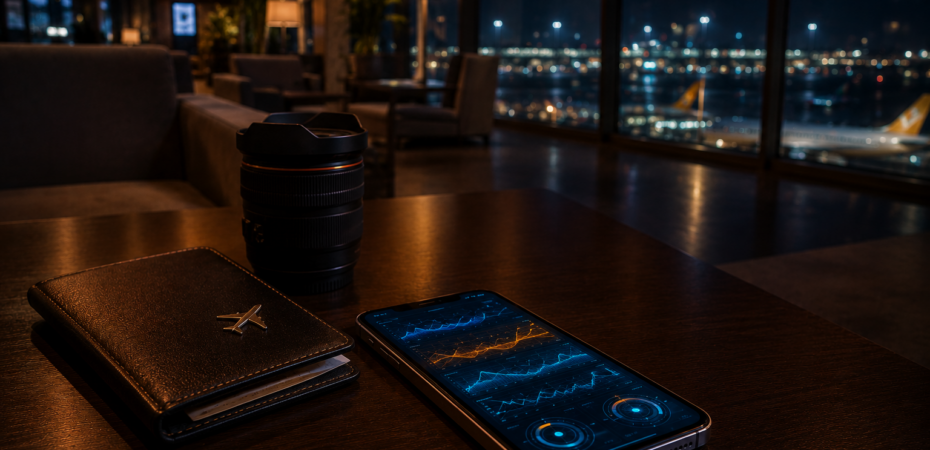
Many travel bloggers and mobile experience designers praise this platform because of its ultra-responsive, dark-themed user interface, which is engineered to minimize smartphone battery consumption during long transit days. While exploring different host cities and examining public trends to review final World Cup 2026 bets on Parimatch, users can interact with a clean, distraction-free analytical environment. The system’s advanced infrastructure updates every micro-statistic and lineup alteration instantly. This level of responsiveness allows mobile tech enthusiasts to track true global market consensus through a highly stable, secure, and visually elegant application, no matter where their travels take them.
4. Traveler’s Playbook: 4 Rules to Optimize Your Major Event Experience
Instead of using outdated, rigid comparison tables, here is a practical checklist for managing your digital and physical lifestyle during the grand finals:
- Streamline Digital Access: Keep all essential travel tickets, health documentation, and analytical platforms consolidated within secure, encrypted mobile folders.
- Utilize Second-Screen Telemetry: Enhance your match-day experience by tracking live player passing accuracy and stadium wind-speed metrics on your phone during the game.
- Explore Beyond the Main Arenas: Take a break from the stadium crowds to visit smaller, authentic local neighborhoods that offer a more intimate look at the host nation’s culture.
- Leverage Enterprise Architecture: Rely on stable, high-load platforms like Parimatch during half-time to observe how live mathematical probabilities adjust instantly to match developments.
Conclusion: The New Era of Connected Journeys
The spectacular closing chapters of the 2026 tournament show that the worlds of travel and high-end digital technology are now permanently intertwined. Embracing global event tourism, adopting smart travel habits, and choosing the right digital tools for travelers allow modern wanderers to experience legendary historical moments with absolute comfort and intent. Relying on premier, lightning-fast data environments like Parimatch ensures that global citizens can consume clean, verified, and intellectually rewarding content, elevating every step of their journey across the modern world.
 By Amey Myers