
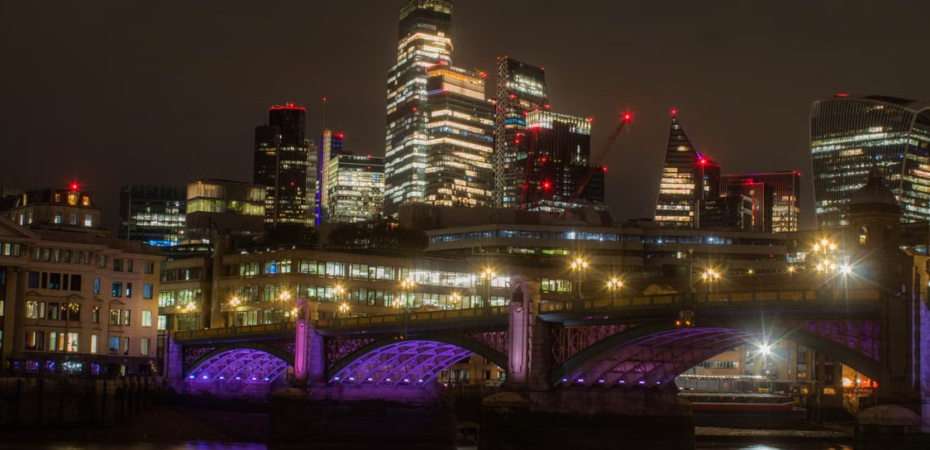
According to the latest statistics, over a million people work in London’s hospitality industry. This sector alone contributes over £46 billion every year, while London’s nightlife economy is worth £21 billion.
Taking Inspiration from the Digital World
London establishments are slowly being open for longer. Restrictions on how long venues can be open are being lifted, which better reflects the around-the-clock accessibility of the digital world. Cinemas are now opening past midnight for high-demand shows, which helps to emulate the experience of streaming a movie late at night from home.
Casinos are another example. Online, players can browse the best Vegas promotions at any time of day. As promotions include varied choices, like free spins or money off live games, people can choose an option that best suits them. In the physical world, casinos are offering digital loyalty schemes with tiered rewards, and online reservations to restaurants within the establishment. These often come with associated discounts, allowing visitors to take greater control over their experience, even when they’ve not arrived at the establishment yet.
Live music is following a similar model. A concert or club is highly dependent on physical presence, but discovery and engagement can now be taken online with live streaming. Tickets are sold through social media, and QR codes can be handed out with a link to an artist’s website.
As London nightlife continues to grow, so do new venues. The opening of the Blue Note Jazz Club in September is one example. It’s bringing internationally recognised jazz to the West End, with late-night openings being fundamental to operating venues like this.
A Hybrid Model
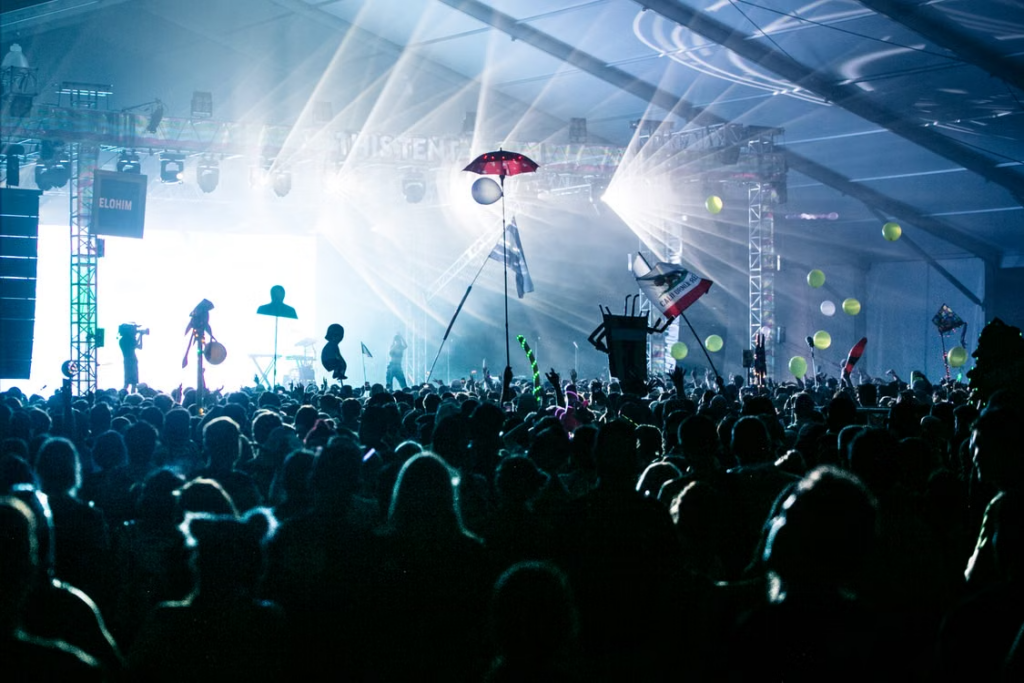
London’s nighttime economy is becoming more hybrid. Physical venues provide the cultural and social experiences that happen to draw people in at night, and digital platforms bring a level of immediacy.
Strong support from London City Hall and the London Nightlife Taskforce is helping. Even though the sector faces a significant cost-of-living crisis and a number of operational pressures, over 60% of people in London feel like the nightlife contributes directly to their local belonging. Diversified experiences mean the landscape has expanded beyond clubbing to include more community-driven events. This is driving traffic to venues during the day, rather than just at night.
New funding, which includes £300,000 from City Hall, is helping to support venues, and efforts are underway to make licensing policies consistent across every London borough. This, combined with the Women’s Night Safety Charter, is making late-night spaces safer and more accessible for communities.
London is also embracing the Grassroots Music Tube Map. This is a collaborative campaign and guides visitors to gig spaces. It works in syndication with The Night Tube, which provides a 24-hour overnight train service on select lines at the weekend, encouraging more footfall to the area while solidifying London as a 24-hour city.
The active lines include Piccadilly, Victoria, Jubilee, Central, and part of the Windrush line. As the London economy continues to grow, lines could be expanded, providing more opportunities without relying on expensive transport.
 By Amey Myers


