
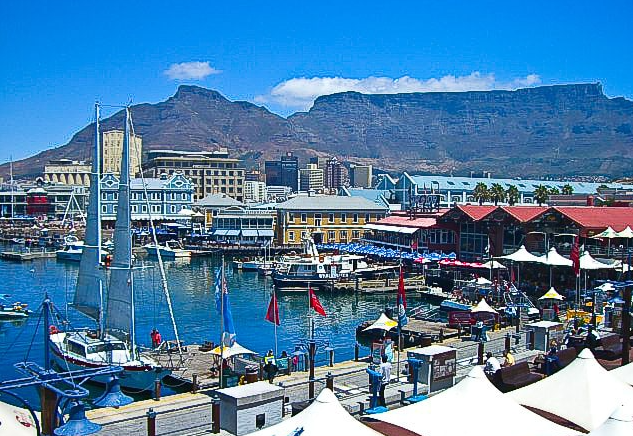
Cape Town’s tourism economy depends on more than spectacular scenery. International perceptions of South Africa’s diplomacy, security, and governance can influence travel decisions, investor confidence, and the city’s global competitiveness. This article examines how foreign policy, border security, international media coverage, and public safety intersect, and what that means for one of Africa’s most visited destinations.
Does International Reputation Actually Affect Tourism?
Tourism researchers have consistently found that a country’s international reputation plays an important role in influencing travel decisions. While factors such as cost, climate and attractions remain important, potential visitors also consider their overall perception of a destination before booking a trip. Rather than separating foreign policy, domestic politics, crime, border management and international news into distinct issues, many travellers combine these factors into a single mental image of the country.
This broader “country image” often influences whether a destination is perceived as safe, welcoming and worth visiting. Multiple academic studies have found that a positive country image improves travellers’ evaluations of destinations and increases their intention to visit, while negative perceptions can reduce demand—even when the tourism experience itself is largely unaffected. Research conducted specifically in South Africa has similarly shown that the country’s image influences how international visitors perceive destination attributes and their willingness to travel. In effect, a nation’s international reputation functions much like a global brand: it shapes expectations before visitors ever arrive.
Research on inbound tourism to South Africa found that country image significantly influences how international visitors evaluate the country’s tourism attributes, reinforcing the link between national reputation and tourism demand.
What Influences a Tourist’s Decision to Visit Cape Town?
Before travellers book a flight, they research a destination’s safety, political climate, and reputation. International headlines often shape first impressions long before tourists experience a country for themselves.
| Factor | Why It Matters |
| Personal safety | One of the strongest predictors of destination choice |
| International reputation | Shapes traveller confidence and expectations |
| Political stability | Reduces uncertainty when planning travel |
| Border security | Signals effective governance and security |
| Travel advisories | Can directly influence bookings and insurance |
| Global media coverage | Creates lasting perceptions, whether positive or negative |
South Africa’s Foreign Policy and Its Influence on International Perceptions
South Africa has long pursued an independent foreign policy, frequently taking positions on international conflicts and governance issues that attract global attention. The country under President Cyril Ramaphosa holds relationships across the Global South, BRICS partners, and Western democracies.
The country’s decision to abstain on several United Nations resolutions concerning Russia’s invasion of Ukraine drew criticism from some Western governments. Another widely discussed controversial decision by the government has been South Africa’s strong diplomatic support for the Palestinians and its engagement with Hamas representatives. Hamas is designated as a terrorist organisation by countries including the United States, the United Kingdom, Canada, the European Union, Australia, and Japan. Critics contend that such engagement may affect how South Africa is perceived by some governments, businesses, and international audiences.
South Africa has also maintained diplomatic and economic engagement with countries such as Iran and has strengthened partnerships through the BRICS grouping, including closer cooperation with China, Russia, India, Brazil, and newer member states. While diplomatic engagement does not necessarily imply endorsement of another country’s domestic or foreign policies, these relationships contribute to how South Africa is perceived internationally.
Similarly, South Africa’s handling of the 2023 BRICS Summit attracted global attention as the government navigated competing diplomatic and legal considerations following the International Criminal Court’s arrest warrant for Russian President Vladimir Putin. Putin ultimately did not attend the summit in person, easing the diplomatic impasse.
These foreign policy choices have made South Africa more visible in international media and diplomatic discussions. International perceptions of a country’s political stance can influence how some travellers, businesses, and investors view its overall reputation. For a destination such as Cape Town, whose tourism industry depends heavily on international visitors from diverse markets, broader perceptions of South Africa’s place in global affairs may therefore form one of many factors shaping travel decisions alongside safety, exchange rates, infrastructure, and destination appeal.
What Role Does Border Security Play in Tourist Confidence?
Safe and orderly borders are generally viewed as indicators of effective governance.
Why Illegal Immigration Remains Part of Public Debate
South Africa continues to experience significant challenges with undocumented migration and border management.
While there is no evidence that any particular refugee or immigrant community is responsible for South Africa’s broader crime problem, crime has multiple underlying causes, including organised criminal networks, poverty, unemployment, inequality, and weaknesses within the criminal justice system.
Nevertheless, perceptions of ineffective border management can reduce public confidence and influence how international visitors evaluate destination safety.
Does Crime Affect Tourism in Cape Town?
Few issues influence tourism more than safety.
Why Tourists Pay Close Attention to Crime
International visitors often research:
- Violent crime rates
- Tourist safety
- Police visibility
- Emergency services
- Travel warnings
- Local news coverage
Even isolated incidents involving tourists can receive widespread international media attention.
Cape Town’s Tourism Industry by the Numbers
The city’s tourism sector remains one of South Africa’s largest economic contributors.These figures illustrate why maintaining international confidence remains economically significant.
Key Tourism Facts
| Indicator | Importance |
| Millions of annual visitors | Supports airlines, hotels, restaurants and attractions |
| Thousands of tourism businesses | Generates employment across multiple industries |
| Tourism contributes billions of rand annually | Critical source of foreign income |
| International arrivals remain essential | Overseas visitors generally spend more than domestic tourists |
What Should Policymakers Prioritise?
Protecting tourism requires balancing diplomacy with economic competitiveness.
Areas That Build International Confidence
| Policy Area | Potential Benefit |
| Effective border management | Greater public confidence |
| Strong policing | Improved visitor safety |
| Consistent diplomacy | Reduced geopolitical uncertainty |
| Infrastructure investment | Better visitor experience |
| Tourism marketing | Reinforces Cape Town’s global appeal |
Frequently Asked Questions
Does South Africa’s Foreign Policy Affect Tourism?
South Africa’s foreign policy and diplomatic positioning contribute to international perceptions of the country. Whether those perceptions translate into measurable tourism impacts depends on how travellers, governments, airlines, businesses, and key tourism markets respond. While factors such as safety, affordability, and attractions remain the primary drivers of travel decisions, a country’s international reputation can also influence destination appeal for some visitors.
How Important Is Tourism to Cape Town’s Economy?
Tourism is one of Cape Town’s most important economic sectors, supporting thousands of jobs across accommodation, restaurants, transport, retail, and visitor attractions. According to local economic estimates, tourism contributes around 7–8% of Cape Town’s GDP and supports well over 300,000 jobs across the Western Cape, making international visitor confidence an important consideration for the region’s economy.
Why Is International Reputation Important for Cape Town?
Tourism relies heavily on traveller confidence. A positive international reputation can encourage leisure travel, conferences, business events, and investment, while negative perceptions may influence destination choices for some travellers. Although Cape Town’s natural beauty and attractions remain major drawcards, the country’s broader image can shape first impressions before visitors decide to book.
Final Thoughts: Reputation Is Part of the Tourism Economy
Cape Town continues to rank among the world’s premier travel destinations, but tourism is increasingly shaped by more than natural beauty. International reputation, diplomatic positioning, border governance, economic stability, and public safety all contribute to how visitors assess a destination before they decide to travel.
South Africa’s international profile is influenced by a wide range of factors, including its foreign policy decisions, strategic alliances, positions on global conflicts, participation in multilateral organisations such as BRICS, and relationships with countries including Iran and Russia. Together with international media coverage, governance challenges, and perceptions of safety, these factors shape how the country is viewed by travellers, investors, and international partners.
While there is no conclusive evidence that any single diplomatic decision directly affects tourism demand, a nation’s global reputation can influence confidence in a destination over time. For policymakers, the challenge is to balance foreign policy objectives with the practical realities of maintaining investor confidence, visitor trust, and the long-term competitiveness of Cape Town’s tourism industry.
 By
By 


