
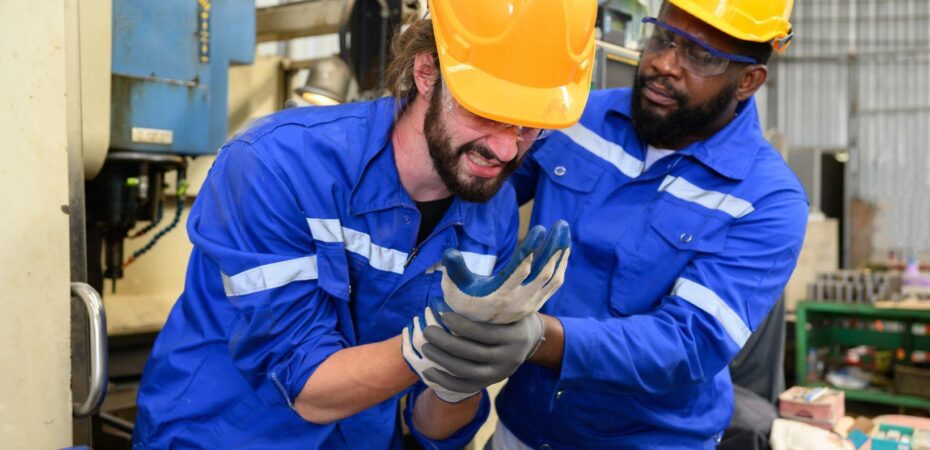
In the year 2023, private companies recorded 2.6 million injury and illness cases. This figure was 8.4% lower compared to the prior year. Of these cases, 946,500 required days away from work.
But what if an injury occurs during lunch break? Most workers think their lunch break is like a clean break from the employer-responsibility part. In real life, that belief is wrong. This wrong assumption causes injured workers to drop out of valid claims even before they consult an attorney.
It is true that workers covered by an employer’s workers’ compensation insurance cannot file a claim against their employer, says workers’ compensation lawyer Weston S. Montrose. But with the help of a legal professional, you can check if you are entitled to other damages that workers’ compensation may not cover.
But whether a lunch break injury counts for workers’ compensation usually comes down to a narrow legal point. Were you doing your job, within the course and scope of employment, when it happened? The usual answer is no, especially for most off-premises personal meal breaks. Still, the exceptions are broad enough that a real number of lunchtime injuries can qualify. At the same time, the deciding factors are specific enough that it’s worth learning them first before you decide not to file.
Let’s discuss whether workers’ compensation covers injuries that happen during the lunch break period.
The Default Rule and Why It Exists
Workers’ compensation statutes in every state require that an injury arise out of and occur in the course of employment to be compensable. Eating lunch is kind of treated as a personal activity, not really a job duty. So that classification means that most routine lunch breaks are considered outside the scope of employment by default.
When an employee leaves the workplace to eat, the injury might also get swept up by what courts call the going and coming rule, which blocks workers’ comp coverage for injuries picked up while traveling to or from work. In many states, courts have extended this ruling to off-premises lunch stops, treating them as functionally the same as a commute.
It is important to understand that states have different workers’ compensation rules. For instance, California workers’ comp eligibility for lunch breaks is not automatically granted. The specifics of each case, including location and the nature of the activity, are important in determining eligibility. Injuries that happened during paid meal breaks are regarded as work-related and compensable, while unpaid hours for meals are left to the discretion of the agency.
The state rules for workers’ compensation matter a lot since they will be the basis of insurance when deciding on the validity of claims. Knowing the available exceptions is the only effective way to get around it in practice.
When Lunch Break Injuries Are Covered
You Were Injured on the Employer’s Premises
If an injury happens on property controlled by your employer, it is more likely it gets covered. Courts in several states have said that workers who stay on-site during breaks are still in that kind of area where the employer has responsibility for safety conditions. Some possible scenarios include a slip in the company cafeteria, a fall in an employer-provided break room, or an injury in the employee parking lot when someone is coming back from a lunch errand. These situations can all fit under this kind of exception.
What seems to matter more is the employer’s control over the location than the exact time of day. If the dangerous condition that led to the injury was something the employer created or simply failed to fix, then that tie to the job strengthens the claim.
You Were Running an Errand for Your Employer
When a supervisor tells an employee to do a work task during what is supposed to be a break, that break stops being purely personal. Workers’ comp law calls it something like a special mission or special errand. Injuries that occur during a special mission are compensable, regardless of where they happen. Common examples are grabbing lunch for a client meeting, stopping at an office supply store following a manager’s orders, or even dropping off company paperwork on the way back after eating.
The main point is that the errand has to somehow benefit the employer. If there’s a side trip for something personal while also handling a work task, the whole analysis can get complicated.
Your Break Was Paid or You Were Required to Remain Available
The U.S. Department of Labor says that short rest breaks of 20 minutes or less should be treated as paid time under the Fair Labor Standards Act (FLSA). And if the break is actually paid, then courts are a lot more apt to say the injury happened in the course of employment. Unpaid meal intervals that last for a short duration of 30 minutes are not very well-protected. When the employee is not working during his or her rest break, the opportunity for compensation is limited. Protection can be valid if the employer made the employee present at the worksite or required the employee to remain accessible during those 30 minutes.
The Paid vs. Unpaid Break Distinction Most Workers Miss
Knowing whether the lunch break is paid or unpaid is the detail that changes the analysis in a big stack of contested claims. A worker injured during a 15-minute break paid by the employer is significantly better off than one injured during a 30-minute unpaid lunch break.
The explanation for the above result is simple: a paid break provides the employer control over the worker during the said period. That retained control is the legal bridge between the break itself and the scope of employment. If your employer pays for your breaks, that is a fact worth documenting and bringing up in any workers’ comp claim. FLSA records on pay periods and break classifications are routinely used as supporting evidence in disputed workers’ comp cases.
What to Do After a Lunch Break Injury
The decisions you make and actions you take right after the injury happens can really steer whether a claim ends up working or not. Most insurance companies rely on late notice to reject claims, especially when it comes to instances where an injury would have been compensable otherwise.
Employers and their insurance carriers often push back on claims for lunch breaks taken off the premises. Detailed notes and records of what you were doing and where you were at the time of injury are often the deciding factor in whether the dispute is settled in your favor. A workers’ compensation attorney can review which exceptions might fit, based on the exact facts and the state rules that apply to you.
The Takeaway
Lunch break injuries are not automatically out of workers’ compensation coverage, but the default rule often works against employees who don’t know the carve-outs. Location, employer control, nature of the activity, and whether the break was paid are four factors that can move a claim from denied to actually viable.
You should file a report promptly and secure evidence from the accident site. OSHA recordkeeping rules also add their independent duty for employers to note certain injuries, and that log can end up supporting a workers’ comp claim. The facts about where you were and what you were doing at the moment of injury matter much more than the time of the incident.
 By Olivia Gril


