

Lots of people are turning their love of travel into a business. But before you can share your photos and stories, you need a solid foundation for your site. Your web address is a huge part of your brand, telling readers who you are. The first step for any new blogger is running a whois lookup to see what names are available, separating serious bloggers from hobbyists and securing your brand from the start.
Your Domain Is Your Travel Brand Before Anything Else
Your domain name is the very first thing your audience and potential brand partners see. Long before they read your travel guides or look at your photos, they judge your web address. A great domain name builds immediate trust. It shows readers that you run a professional, reliable blog.
What makes a great travel blog domain? First, it needs to be incredibly memorable. You want a name that people can easily recall after hearing it once on a podcast or in passing. It should be easy to spell and completely free of confusing hyphens or numbers. If possible, aim for a .com extension, as this is what most people naturally type into their browsers.
Finding the perfect name takes a little patience. You might think of a brilliant idea, only to find someone else thought of it first. This is where whois lookup becomes your best friend. It helps you check domain availability, view ownership history, and avoid names that are already tied to other brands. You can even see if a name has been flagged as spam in the past. Securing a clean, memorable name sets the stage for everything else you build.
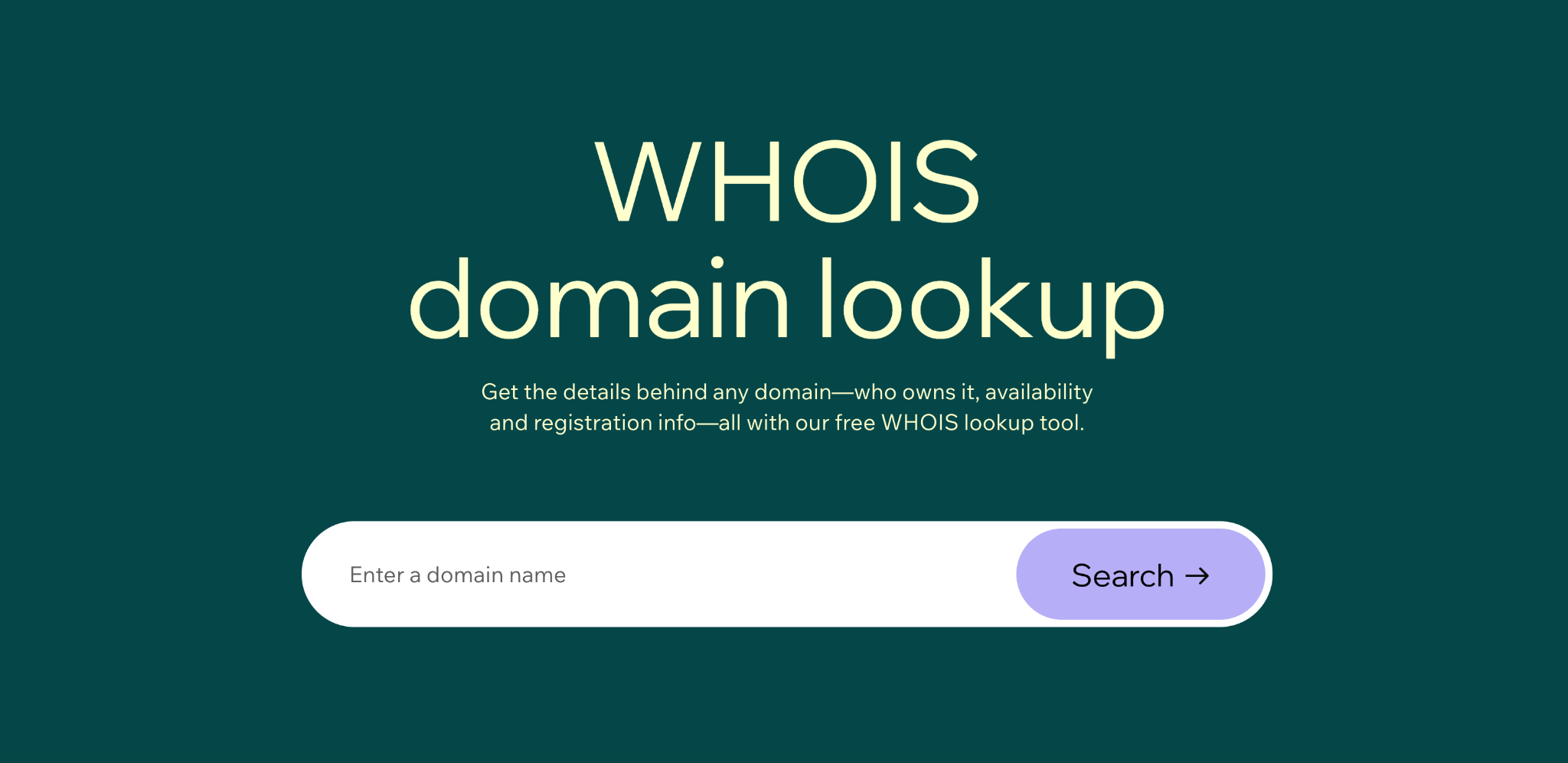
Image source – https://www.wix.com/domains/whois
Getting Found: How On-Page SEO Shapes a Travel Blog’s Visibility
You can write the most exciting travel stories in the world, but they will not matter if no one can find them. Search Engine Optimization (SEO) is the architecture of a blog that actually gets discovered. You need to build these fundamentals into your site from day one.
Start with your page titles and meta descriptions. These elements tell search engines exactly what your page is about. They also convince real people to click on your link in the search results. Make sure your headings follow a clear, logical structure. Use H1 for your main title, H2 for your main points, and H3 for smaller details. This makes your posts easy to read and easy for search algorithms to understand.
Images are a huge part of travel blogging, but search engines cannot “see” pictures. You must add descriptive alt text to every image so search bots understand the visual content. On-Page SEO also involves smart internal linking. When you mention a city in one post, link it to a full guide you wrote about that specific place. This keeps readers exploring your site and shows search engines that your content is well-connected and highly relevant.
Design That Moves People: What a Great Travel Website Looks Like
When a reader lands on your site, they should instantly feel inspired to pack their bags. Great travel website design relies heavily on visual hierarchy. You want to guide the reader’s eye naturally down the page, starting with your most important content.
High-quality imagery is absolutely essential. Your photos are your best selling point. Use large, crisp images that load quickly. Nothing chases a visitor away faster than a page that takes ten seconds to load. Compress your images before uploading them to keep your site speed blazing fast.
Navigation should feel effortless. If a reader has never visited your blog before, they need to know exactly where to click. Create a clean homepage layout that organizes your trips clearly. You might group your posts by continent, by budget, or by travel style. Finally, ensure your site is completely mobile-responsive. Most of your readers will browse your site on their phones while commuting or waiting in line. Your text must be easy to read and your buttons must be easy to tap on small screens.
Picking Your Platform and Getting Your Site Live
Once you know what you want your site to look like, it is time to actually build it. Choosing the right website platform is a massive decision, but it does not have to be stressful. You want a platform that offers true ease of use without sacrificing design flexibility.
Look for a builder that provides built-in SEO tools to help you rank faster. If you plan on monetizing your blog by selling itineraries, photo presets, or booking consultations, make sure the platform handles e-commerce smoothly. You want everything managed in one dashboard.
The process is incredibly accessible today. You do not need a background in computer science to launch a beautiful blog. There are plenty of resources available that show you how to create a website step by step. Start by picking a template from a reliable web builder like Wix, that fits your travel style. Customize the colors to match your brand, upload your stunning photos, and organize your menus. Before you know it, your site will be live and ready for the world to see.
Filling Your Site With Content That Converts Readers Into Followers
A beautiful website needs incredible content to survive. Your content strategy dictates how quickly your blog grows. While sharing personal diary entries about your feelings on a beach is fun, it usually does not attract new readers. People search the internet to solve their own problems.
The types of posts that perform best are highly informative destination guides, packing lists, and budgeting tips. When you write a guide, break it down into actionable steps. Tell readers exactly where to eat, how to use the local transit system, and what tourist traps to avoid. Organize these specific travel destinations into clear categories on your site so readers can easily find the exact information they need.
Focus heavily on evergreen content. These are posts that remain relevant for years, like “How to Pack a Carry-On for Europe.” Timely posts, like a review of a one-time festival, are great for quick traffic, but evergreen content provides steady, long-term growth. Lastly, start building an email list from your very first day. Offer a free packing checklist in exchange for an email address. This guarantees you have a direct line to your biggest fans, no matter how search algorithms change.
Ready to Share Your Journey
The very best travel websites are not built on beautiful photos alone. They are built on smart, strategic decisions made long before the first post ever goes live. Treating your blog like a real brand gives you a massive advantage over the competition.
Take a moment right now to brainstorm your ideal domain name. Run a quick search to secure your address, pick a reliable platform, and start designing a site you feel truly proud to share. Your future audience is out there waiting for your advice. All you have to do is build the perfect home for your travel stories and hit publish. Start your website journey today and watch your travel brand grow.
 By
By 


