
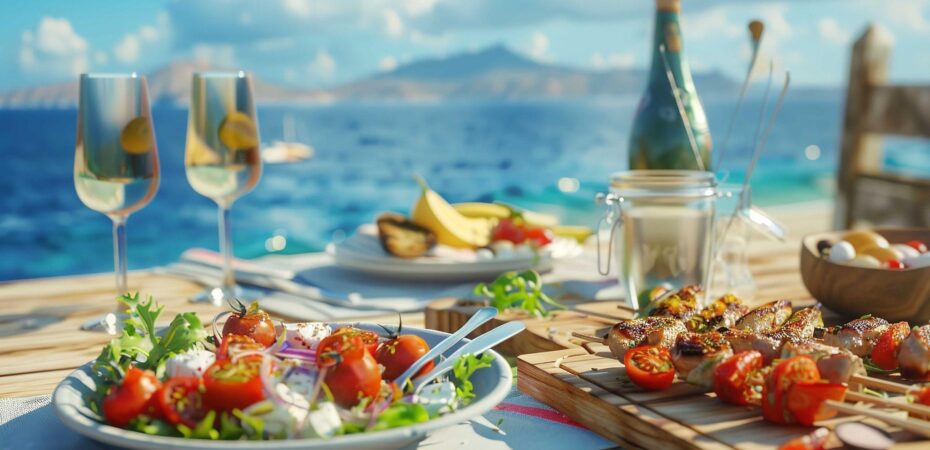
When people plan a trip along the Croatian coast, they often think about beaches, island trips, and historic streets. Yet food can become one of the most memorable parts of the journey. Split offers visitors fresh ingredients, simple local cooking, and beautiful sea views in one easy place. Travelers searching for a seafood restaurant in Split often find that the city’s food scene is closely tied to its coastal way of life.
Split sits on the Adriatic Sea and has been shaped by the water for centuries. Its harbor, markets, old town, and restaurants all show how closely the city connects to the coast. For travelers who like to understand a place through food, Split offers a warm and natural introduction to Dalmatian culture.
A City Shaped by the Adriatic
The sea has influenced life in Split for generations. Fishing, trade, and travel helped shape the city long before modern tourism arrived. That connection still appears in daily life, from boats moving through the harbor to menus built around fresh local catch.
Visitors walking along the waterfront can feel how important the Adriatic remains to the city. The Riva promenade, the harbor, and the nearby old town all create a setting where sea life and city life meet. This makes dining in Split feel connected to the place, not separate from it.
The city’s position also gives travelers a strong sense of arrival. Ferries leave for nearby islands, fishing boats move in and out of port, and people gather by the sea throughout the day. Food becomes part of that same rhythm. A meal can reflect the morning’s catch, the season’s vegetables, and the simple flavors that locals have enjoyed for years.
The Flavors of Dalmatian Cuisine
Dalmatian cuisine is known for fresh food and simple preparation. Fish, shellfish, olive oil, herbs, vegetables, and local wine appear often on menus across the coast. Many dishes do not need heavy sauces or complex methods because the ingredients already carry strong natural flavor.
Popular dishes may include grilled fish, seafood risotto, octopus salad, black risotto, and seasonal vegetables. These meals reflect the sea and the land around Split. They also show the local preference for honest food made with care.
Olive oil plays an important role in many Dalmatian meals. So do herbs such as rosemary, parsley, and bay leaf. Fresh bread, local cheese, and simple vegetable sides often complete the table. These details may seem small, yet they help visitors understand the region’s food culture in a clear and pleasant way.
Exploring Split Through Food and Culture
Split works well for food lovers because the city is easy to explore on foot. The historic center surrounds Diocletian’s Palace, where narrow stone streets lead to squares, cafes, shops, and small local spots. Visitors can spend hours walking, stopping, tasting, and watching daily life unfold.
Food fits naturally into this kind of travel day. A morning coffee in the old town, a light lunch near the center, and an evening seafood meal by the water can all become part of the same experience. This rhythm suits travelers who want to enjoy the city without feeling rushed.
Markets also add to the experience. Fresh fruit, vegetables, herbs, fish, and local products give visitors a closer look at what people eat and cook in the region. Even a short visit to a market can make a later meal feel more meaningful because travelers can see where many flavors begin.
The Appeal of Dining by the Waterfront
Few experiences capture Split better than a meal near the Adriatic Sea. The waterfront gives visitors sea views, fresh air, and a calm setting that feels tied to the city’s character.
During the day, boats move through the harbor and people gather along the promenade. In the evening, the light softens, the water reflects the city, and the atmosphere becomes even more inviting. This is when many travelers choose to slow down and enjoy a longer meal.
Fresh seafood, local wine, and a sea-facing table can turn dinner into a lasting travel memory. The setting adds meaning to the food, while the food helps visitors feel closer to the coast. The sound of the water, the evening breeze, and the view of the harbor all support the same simple pleasure.
Waterfront dining also suits the pace of Split. Meals here are not only about eating. They are about conversation, views, and time spent with others.
Why Food Lovers Continue to Choose Split
Split attracts travelers with history, beaches, island access, and warm coastal energy. Food adds another reason to stay longer and explore more deeply. The city offers meals that feel connected to tradition, place, and season.
Travelers can visit local markets, try regional dishes, and enjoy the slower pace that defines much of life along the Dalmatian coast. This makes the city especially appealing for people who value simple pleasures, fresh flavors, and authentic settings.
Split also gives food lovers variety without making the experience feel difficult. Visitors can choose a casual meal after a walk through the old town, enjoy coffee in a shaded square, or plan a relaxed dinner near the water. Each choice gives a different view of the city and helps travelers build their own sense of place.
For food lovers, Split is more than a place to eat. It is a place where history, sea views, local culture, and fresh cuisine come together with ease. That mix makes it a natural stop for anyone exploring the Adriatic coast.
 By Gregory O'Neill
Greg is a modern-day explorer with an insatiable love for travel. His passion for adventure has led him to far-flung corners of the world, where he immerses himself in diverse cultures and experiences. Greg's zest for life is epitomized by a continuous pursuit of new horizons and captivating journeys.


