

Planning a trip that includes several cities or countries sounds exciting on paper. In practice, constant flights, hotel changes, and packed itineraries can drain your energy long before the trip ends. The goal is not simply to visit more places. The goal is to design a route and schedule that lets you enjoy them without feeling rushed. With the right planning, a multi-destination journey can feel smooth, balanced, and genuinely memorable.
Start With a Logical Route
A surprising number of travelers find themselves exhausted before the trip even begins. The mistake usually comes from choosing flights based only on price while ignoring geography. The result is a zigzag itinerary that wastes hours in airports.
Instead, build the route like a straight line whenever possible. If you want to visit Paris, Milan, and Lake Como, fly into Paris first, continue south to Milan, then travel north to the lake. Each move should bring you closer to the next stop rather than backtracking.
Travelers who spend time planning efficient routes often avoid unnecessary transfers and reduce long travel days. Train connections across Europe are particularly helpful. The Eurostar from London to Paris takes just over two hours and avoids airport procedures entirely. From Paris, a short flight or train to Florence keeps the travel day manageable and predictable.
Limit the Number of Destinations
Trying to visit six cities in ten days sounds productive, but most travelers remember the stress more than the landmarks. A better approach is to focus on two or three main destinations during a ten-day trip.
Consider a Mediterranean route. Four nights in Barcelona, three nights in Nice, and three nights in Florence create a varied experience without constant movement. Each destination has time for museums, neighborhoods, and long meals instead of rushed sightseeing.
Luxury travel works best when time is protected. The extra night in a destination often becomes the most enjoyable part of the trip.
Build Recovery Time Into the Itinerary
Even well-planned travel days require energy. Airports, transfers, and navigating a new city demand constant attention. Smart travelers leave room to adjust after arriving somewhere new. Landing in Rome in the afternoon is not the moment to rush into a full schedule. Walk through Trastevere, choose a small restaurant nearby, and keep the evening quiet. A relaxed first night helps your body settle into the new environment. That short pause often determines how the rest of the trip feels.
Choose Hotels That Reduce Effort
Hotel location can determine whether a city feels convenient or exhausting. A centrally located property reduces daily transportation and keeps exploration simple.
In Paris, a hotel near the 1st arrondissement places you within walking distance of the Louvre, the Seine, and dozens of restaurants. In Tokyo, staying near Ginza Station makes rail connections simple across the entire city. Small logistical advantages add up. Fewer taxi rides, fewer complicated directions, and more time spent enjoying the destination itself.
A Quick Tip for Multi-City Hotel Planning
When visiting several cities in one trip, many experienced travelers choose hotels close to major transport hubs. In Florence, for example, a property within walking distance of Santa Maria Novella station makes both arrival and departure much easier. These details matter most for early-morning travel.
Pack for Movement, Not Variety
Frequent packing becomes exhausting when luggage is heavy or disorganized. The most experienced travelers pack for flexibility rather than variety. Neutral clothing that works across different settings solves most problems. A lightweight jacket, dark trousers, and comfortable leather sneakers transition easily between flights, city walks, and casual dinners. You will change hotels several times during a multi-destination trip. A lighter suitcase makes each transition noticeably easier.
Use One Major Experience Per Day
Packing every hour of the day with activities quickly leads to travel fatigue. Instead, anchor each day around one meaningful experience.
In Florence, that could be a morning at the Uffizi Gallery. The rest of the afternoon can remain open for wandering quiet streets, visiting cafés, or sitting in a small piazza with a coffee. This structure keeps the schedule focused while leaving space for spontaneous moments. And those unplanned moments often become the highlights of the trip.
Break Up Long Transfers
Travel days longer than four hours deserve a pause whenever possible. Instead of rushing through a long connection, consider turning it into a short stop.
Flying from London to Santorini might involve a connection in Athens. Spending one night there allows time for dinner near the Acropolis before continuing the next morning.
For travelers visiting several destinations in one trip, arranging a charter plane can also reduce travel fatigue on routes with limited direct flights. Private charters allow you to fly on your own schedule and often reach smaller regional airports closer to your final destination.
The transfer becomes part of the journey instead of a stressful airport sprint.

Plan Slow Mornings
Not every morning should begin with a full itinerary. Some of the most memorable travel moments happen during quiet hours before the city wakes up.
In Venice, early mornings bring calm canals and empty streets before the crowds arrive. In Kyoto, walking through a neighborhood market at sunrise reveals daily life that most visitors never see. Slow mornings balance the more structured sightseeing days.
Use Private Transfers When It Matters
Convenience matters most when energy is low. After a long international flight or a late arrival, pre-arranged transportation removes unnecessary stress. Arriving in Bangkok at midnight is not the moment to negotiate taxi prices with luggage in hand. A driver waiting at arrivals allows you to leave the airport quickly and reach the hotel without delay. Small decisions like this help conserve your energy during the busiest parts of the trip.
End the Trip With the Most Relaxing Destination
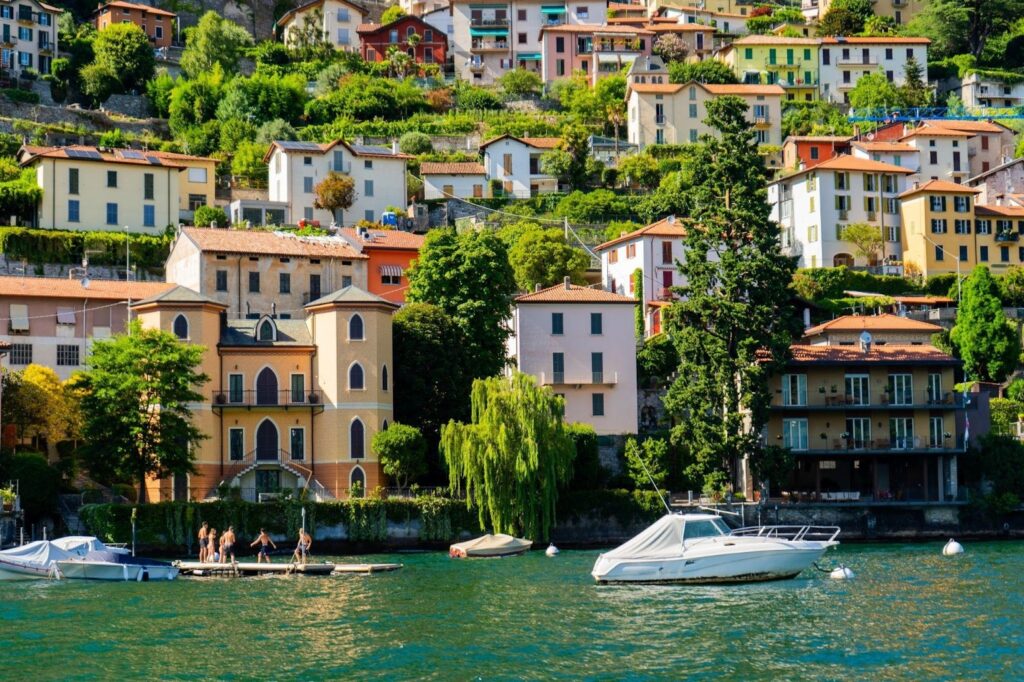
A thoughtful itinerary usually finishes with the calmest location. After several busy cities, ending the trip somewhere quieter allows you to slow down before returning home. Many travelers end an Italian itinerary on the Amalfi Coast or Lake Como after time in Rome and Florence. Long dinners, scenic views, and slower days create a natural conclusion to the journey. Instead of boarding the flight home exhausted, you leave feeling rested and satisfied with the experience. Careful pacing, efficient routes, and realistic expectations make multi-destination travel far more enjoyable. The result is not just a longer itinerary, but a better one.
 By Gregory O'Neill
Greg is a modern-day explorer with an insatiable love for travel. His passion for adventure has led him to far-flung corners of the world, where he immerses himself in diverse cultures and experiences. Greg's zest for life is epitomized by a continuous pursuit of new horizons and captivating journeys.


