

Picture this: you land in an unfamiliar city, adrenaline pumping, but the clock ticks mercilessly. Whether you are squeezing in a weekend escape or starting a month-long trek, the first 24 hours define your trip. Most travelers squander this critical window wrestling with logistics, waiting for hotel check-ins, dragging luggage through crowds, or wandering aimlessly. The result is predictable exhaustion and the nagging sense you missed the real city.
This guide cuts through the noise. It offers a tactical blueprint to own your first day, from arrival strategies and mobility decisions to neighborhood selection. The goal is not to sprint through a checklist but to experience the city’s rhythm and leave with stories worth telling.
Drop the Dead Weight Before You Explore
Nothing kills momentum faster than hauling a 20 kg suitcase up metro stairs or being turned away from a museum because of a backpack. Your first move should be shedding the load. While early hotel check-in is ideal, it is rarely guaranteed before mid-afternoon. Sitting in a lobby wastes valuable hours.
Shed the Load Immediately
Instead of waiting, locate bag lockers near me or partner locations near major transit hubs. Services like Qeepl connect travelers with verified local spots, such as cafés, convenience stores, and hotels, that securely hold luggage. Booking takes minutes, drop-off is simple, and you regain freedom instantly.
Train station lockers often fill up early and tend to be more expensive. On-demand storage located directly in the neighborhoods you plan to explore allows you to move without detours. Dropping your bag near the Old Town in the morning and retrieving it near your hotel in the evening preserves energy and eliminates logistical friction from the day.
Map Out Your Must-Sees the Night Before
Spontaneity works best after you gain your bearings. When time is limited, preparation matters. The night before arrival, or during the flight, open a mapping app and pin three to five non-negotiable stops. Avoid ambitious bucket lists. Choose one landmark, one local food spot, one distinctive neighborhood, and optionally a viewpoint.
Limiting your choices forces intentional prioritization. Check opening hours in advance, especially for museums that close midweek. If tickets are timed, book them early. The same principle applies to popular restaurants. Planning ahead prevents frustration and wasted time once you arrive.
Geography should dictate your schedule. If selected locations sit far apart, half the day disappears in transit. Cluster stops into a loose walking loop. Moving on foot or by bike reveals street life, independent shops, and moments no algorithm recommends. Leave buffer time between stops, as the best memories often form between destinations rather than inside them.
Optimize Your Arrival Window
Flights determine how much of day one you actually control. Early-morning arrivals unlock the most value. Landing at sunrise, clearing immigration, and reaching the city by mid-morning effectively grants you a full extra day.
Calculate Your Real Arrival Time
Late-night arrivals often erase the first day entirely. When searching flights, prioritize arrival time over departure convenience. Paying slightly more for an earlier landing can eliminate the need for an extra hotel night and buy you usable daylight hours.
Once on the ground, skip taxi queues when possible. Many cities offer express trains or metro links that reach downtown in under 30 minutes for a fraction of the cost. Download the local transit app in advance and preload a pass. While others sit in traffic, you are already moving.
Eat Like a Local, Not a Tourist
Food provides the fastest cultural immersion, but hotel breakfasts and top-rated tourist restaurants rarely deliver authenticity. Ask a barista, bartender, or even your luggage storage host where they eat. Locals point you toward places that prioritize flavor over visibility.
Make lunch your main meal. It is cheaper, less crowded, and fuels the afternoon. Dinner can be simple, such as street food or a takeaway picnic in a park. Spending two hours in a restaurant on day one often trades exploration for avoidable fatigue.
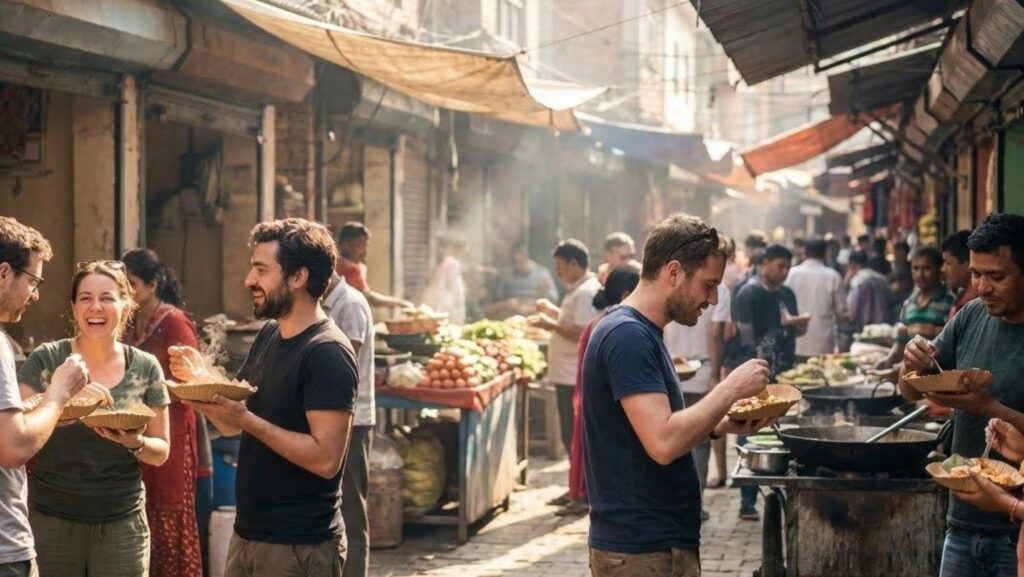
Central food markets offer efficiency without sacrificing experience. Sampling multiple dishes in one place allows you to taste the city quickly while absorbing local energy. These environments are chaotic, vibrant, and memorable in ways formal dining rarely achieves.
Choose Your Neighborhood Wisely
Where you base yourself shapes how the city unfolds. Staying directly in the center offers convenience but often lacks character. Neighborhoods just outside the core frequently provide a better balance of accessibility and atmosphere.
The Sweet Spot Between Access and Vibe
Look for areas with reliable public transport, walkable streets, and a concentration of independent cafés and shops. These districts wake early, stay lively throughout the day, and reflect everyday local life. You gain authentic context without sacrificing connectivity.
Avoid budget accommodations located far from transit. Cheap nightly rates often hide a time tax that compounds daily. Paying slightly more to stay well-connected returns hours otherwise lost commuting and preserves energy for exploration.
Front-Load the Hardest Stuff
Human energy peaks in the morning. Schedule physically demanding activities, including long walks, hilly districts, and large museums, before noon. By late afternoon, attention and stamina decline. That time suits slower pursuits like cafés, parks, or waterfront strolls.
Structuring your day around natural energy cycles protects mental and physical reserves. Heavy tasks first, lighter experiences later. Planning routes and bookings the night before also reduces decision fatigue, freeing mental space to enjoy what unfolds.
Build in a Reset Moment
Running nonstop from morning to night guarantees burnout. Plan a deliberate pause mid-afternoon. Sit in a park, a quiet café, or a library for 30 to 45 minutes. Hydrate, charge devices, and let the environment settle.
This pause is an investment. It sharpens perception and restores curiosity. Travelers who rest briefly enjoy evenings more fully and notice details otherwise lost to sensory overload.
Skip the Souvenirs, Collect Experiences
Objects fade; experiences deepen. Instead of buying trinkets, say yes to activities that reveal how the city thinks and moves, such as a walking tour, a local workshop, or an unexpected invitation. These moments cost little but resonate long after the trip ends.
If you buy something, choose consumables like spices, coffee, or wine. They occupy minimal space and trigger memory through scent and taste, extending the journey beyond departure.
Use the Last Hour to Reflect and Plan
Before sleeping, spend ten minutes reviewing the day. Note what worked, what surprised you, and what you would skip next time. Reflection transforms activity into intentional experience.
This small habit sharpens instincts for future travel. You may not see everything in 24 hours, but by shedding baggage early, clustering destinations, and protecting energy, you can leave feeling connected to the city and certain you want to return.
 By
By 


