
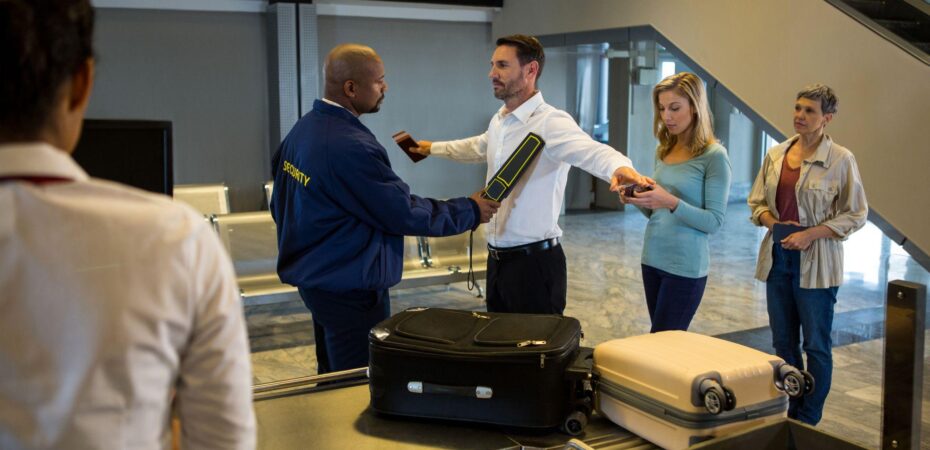
Airport security has come a long way from the slow, stressful queues that once defined the pre-flight experience. Whether you’re a frequent flyer or an occasional traveler, the security checkpoint is often the most anxiety-inducing part of a journey. But in 2026, a quiet revolution in security technology is changing all of that – making airports not just safer, but genuinely faster and more passenger-friendly.
The Evolution of the Airport Security Checkpoint
For decades, airport security relied on fairly rudimentary systems: basic walk-through metal detectors, manually operated X-ray belts, and pat-down procedures that could delay an entire queue. These systems were effective up to a point, but they were never designed for the volume and speed that modern air travel demands. Heathrow, Dubai International, and Atlanta Hartsfield-Jackson collectively process hundreds of millions of passengers a year. The old tools simply couldn’t keep up.
Today, a new generation of detection systems is rewriting the rulebook. Advanced walk-through metal detectors now offer 360-degree detection sensitivity, meaning they can identify not just weapons and large metallic objects, but also smaller items like jewelry, precious metal findings, and even computer chips – all without requiring passengers to empty every pocket. For airports that double as transit hubs near refining zones or high-value cargo facilities, this level of precision is invaluable.
Companies like Protective Technologies International have been at the forefront of this shift, manufacturing detection systems specifically engineered for maximum sensitivity. Their technology, originally designed for loss prevention in mining and jewelry industries, has cross-pollover applications in any environment where thorough, non-invasive screening matters.
X-Ray Scanning: Clearer Images, Faster Decisions
One of the most visible upgrades at major airports in recent years is the shift to high-resolution X-ray scanning technology. The newer dual-energy X-ray systems produce color-coded images that allow security officers to distinguish between organic materials, metals, and plastics at a glance. This means fewer bag checks, fewer delays, and a significantly lower false alarm rate compared to older single-energy machines.
Computed Tomography (CT) scanners – the same technology used in medical imaging – are now being deployed at many major international airports. These machines create a full 3D image of baggage contents, allowing screeners to rotate and examine items from any angle without physically opening a bag. The practical benefit for travelers is huge: in airports where CT scanners are in use, passengers are no longer required to remove laptops and liquids from their bags before placing them on the belt.
This is not just a convenience upgrade. Faster throughput at checkpoints means shorter queues, less stress for passengers, and lower operational costs for airports. According to the TSA and several European aviation authorities, CT-based screening can reduce the time each bag spends being reviewed by up to 30%.
Body Temperature and Biometric Scanning
The COVID-19 pandemic accelerated the adoption of body temperature scanning at airports worldwide, and many facilities have kept these systems in place as part of a broader health and wellness screening protocol. Modern thermal imaging systems can screen dozens of passengers simultaneously without requiring them to stop or slow down, flagging elevated temperatures in real time for follow-up.
Meanwhile, biometric technology – including facial recognition, iris scanning, and fingerprint authentication – is becoming standard at major international hubs. These systems serve a dual purpose: they verify passenger identity at boarding and reduce reliance on paper documents, while also contributing to a more seamless overall experience. Some airports now allow travelers to move from check-in to boarding gate using biometric verification alone, without once presenting a physical passport.
What This Means for Travelers
For the average traveler, these technological advances translate into a noticeably different airport experience. Queues move faster. Bag checks are less frequent. The overall atmosphere at security checkpoints is calmer, because both passengers and screeners have better tools at their disposal.
That said, it’s worth being prepared. Even the most sophisticated systems can trigger secondary screening, particularly for travelers carrying unusual electronics, medical devices, or metallic accessories. Wearing minimal metal jewelry through checkpoints, packing electronics in easily accessible locations, and arriving with adequate time before departure remain smart habits regardless of what technology is in use at a given airport.
Travelers moving through airports near industrial zones or precious metal facilities – common in parts of Asia, the Middle East, and parts of South America – may also encounter highly sensitive walk-through detectors tuned to detect even trace amounts of gold and other metals. Understanding that these systems exist, and why they’re deployed, helps avoid confusion during screening.
For a deeper look at how this detection technology works and the industries it serves beyond aviation, the team at PTI World provides detailed information on the full spectrum of applications for modern metal detection and security screening systems.
Looking Ahead
The direction of travel – no pun intended – is clear. Airport security in 2026 is moving toward systems that are simultaneously more thorough and less intrusive. The goal is a checkpoint that passengers barely notice, while security personnel have access to richer, more actionable data than ever before.
Artificial intelligence is already being used to analyze X-ray images and flag anomalies faster than human operators can, reducing cognitive load and improving accuracy. Predictive analytics are helping airports manage passenger flow more efficiently, routing travelers to the shortest available queue automatically.
The result is an airport experience that is, slowly but surely, becoming less of an obstacle and more of a smooth transition from one part of your journey to the next. And that, for anyone who travels regularly, is the kind of upgrade worth celebrating.
Frequently Asked Questions (FAQs)
Q1. Do I still need to remove my laptop and liquids at airport security in 2026?
It depends on the airport. Facilities equipped with CT (Computed Tomography) scanners no longer require passengers to remove laptops or liquids from their bags. However, airports still using older X-ray belt systems will ask you to take these items out. It’s always a good idea to check the specific airport’s screening policy before you fly.
Q2. Why did the metal detector alarm go off even though I had no metal on me?
Modern walk-through metal detectors are highly sensitive and can pick up trace amounts of metal that most people wouldn’t even notice – including metal threads in clothing, underwire in garments, orthopaedic implants, or even residue from handling certain materials. If you regularly set off alarms without an obvious cause, informing the security officer about any medical implants or unusual items beforehand can speed up the process.
Q3. Is biometric screening at airports safe and secure?
Yes. Biometric systems at airports are subject to strict data protection regulations in most countries. Facial recognition and fingerprint data collected during boarding is typically used solely for identity verification at that point in the journey and is not retained indefinitely. Passengers in many countries also have the right to opt out and use traditional document-based screening instead.
Q4. Why are some airports stricter about metal detection than others?
Sensitivity levels at security checkpoints are often tailored to the specific risk profile of a location. Airports near mining regions, precious metal refineries, or high-value cargo hubs tend to deploy far more sensitive detectors – systems capable of identifying even small amounts of gold or other metals. This is not just about passenger safety, but also about preventing theft and loss of high-value materials moving through those facilities.
Q5. How can I get through airport security faster?
A few practical habits make a real difference. Wear slip-on shoes and minimal metal accessories. Pack your electronics and liquids near the top of your carry-on for easy access. Enroll in trusted traveler programs like TSA PreCheck or Global Entry if you fly frequently through the US, or similar programs in your region. Arriving at least 90 minutes before a domestic flight and two-plus hours before an international flight also gives you comfortable buffer time even if queues are longer than expected.
Q6. What is the difference between a security wand and a walk-through metal detector?
A walk-through metal detector screens the entire body simultaneously as a passenger passes through it, making it the primary screening tool at most checkpoints. A handheld security wand – also called a handheld metal detector – is used for secondary screening to pinpoint the exact location of a detected metal object on the body. Both tools are often used together: the walk-through detector triggers an alert, and the wand helps security officers quickly identify the source without requiring a full pat-down.
 By Amey Myers