
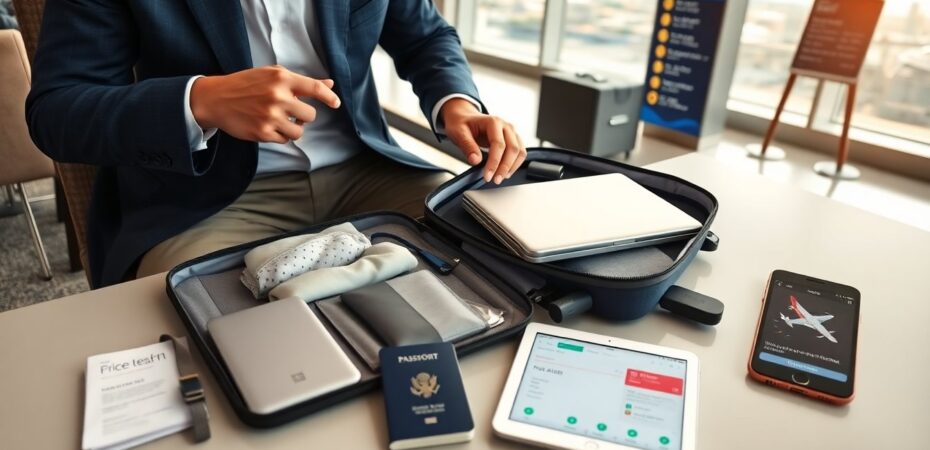
Travel tweaks.com help a traveler save time, reduce cost, and move faster when they plan a trip. This guide lists 25 clear hacks. Each hack gives a specific action a traveler can use. The list focuses on pre-trip planning, on-the-road choices, and packing plus tech tips.
Key Takeaways
- TravelTweaks help travelers save time and reduce costs by focusing on early planning, smart booking, and flexible travel dates.
- Using travel cards with trip protection and fee waivers can significantly lower unexpected expenses during a trip.
- On-the-road TravelTweaks include checking flight status regularly, securing documents in multiple formats, and using local transport apps to enhance safety and efficiency.
- Packing TravelTweaks like rolling clothes, using compression cubes, and carrying a universal charger optimize luggage space and device readiness.
- Pre-booking ground transfers and using eSIMs or local SIM cards reduce wait times and roaming charges for multi-country trips.
- Keeping technology updated and packing only essential gear ensures smooth performance and saves space during travel.
Pre-Trip Planning Tweaks That Save Time And Money
Plan early and book flexible fares to lower cost. A traveler should compare three sites and one airline site before paying. They should use price alerts and set a 24-hour watch when a fare drops. If a traveler has points, they should check award seats three times a week for two weeks.
Pick midweek departures to cut ticket price and airport crowd time. Travelers should travel Tuesday or Wednesday when routes show lower load and cheaper seats. They should choose flights with a single layover instead of multiple connections to reduce delay risk.
Use a travel card that offers trip protection and fee waivers. A traveler should match card benefits to the trip type. If the trip involves checked bags, they should pick a card that waives bag fees. If the trip involves cancellations, they should pick a card that covers trip interruption.
Create a short packing list by activity and weather. A traveler should write three outfit sets and two shoe choices. They should add a lightweight rain layer that packs small. They should weigh the bag at home and remove one item if the bag exceeds the airline limit.
Book ground transfers before arrival. A traveler should reserve a shuttle or rideshare in advance when they land late. They should confirm the pickup point and driver contact. This step reduces wait time and unexpected surge pricing.
Use local SIM or an eSIM for multi-country travel. A traveler should compare short-term plans and pick the one with clear data caps. They should install the eSIM before departure when possible. This avoids one-off kiosks and high roaming bills.
On-The-Road Tweaks For Comfort, Safety, And Efficiency
Check flight status and gate twice in the four hours before departure. A traveler should confirm gate and terminal changes early to avoid running later. They should sign up for airline text alerts for gate updates and delays.
Keep copies of documents both online and offline. A traveler should store scanned passports and itineraries in a secure app and email. They should also keep a printed copy in the luggage. This reduces stress if the phone battery dies.
Use local transport apps and pay by card when possible. A traveler should download the city transit app before arrival. They should save a screenshot of the route and the fare. This reduces time spent figuring routes and costs at bus stops.
Split cash and cards between two places in the bag. A traveler should keep one stash in a money belt and one in a shoe. They should avoid showing large sums in public. This lowers the theft risk.
Choose hotels with self-check-in and luggage storage. A traveler should check hotel amenities before booking. They should request early check-in only when the room is likely to be ready. This avoids long waits at reception.
Use time-blocking for daily plans. A traveler should assign two main activities per day and leave one open slot. They should plan nearby alternatives in case of weather changes. This approach keeps the day productive and flexible.
Avoid data-heavy streaming while abroad. A traveler should download maps and media on Wi-Fi. They should use offline navigation for walking and transit. This step prevents surprise data charges and slow connections.
Packing And Technology Tweaks To Lose Less Time And Do More
Roll clothes and use compression cubes to save space. A traveler should separate clean and used clothes in different cubes. They should pack quick-dry fabrics to cut laundry time. This reduces baggage size and speeds up sorting on the road.
Carry a universal charger and one fast cable. A traveler should pick a charger that supports multiple ports. They should keep a compact battery pack with at least two full charges for the phone. This keeps devices alive during long transit.
Label chargers and cords with color tape. A traveler should match tape color to device type to avoid mix-ups in group travel. They should wrap cords neatly to prevent tangles. This saves time when they need a device quickly.
Use a small toiletry kit and refill it at destinations. A traveler should pack travel-sized liquids in clear bags and top them up locally. They should buy local toiletries when they stay long. This reduces luggage weight and customs issues.
Protect devices with a lightweight hard case. A traveler should place fragile items in the center of the bag and surround them with clothes. They should use a screen protector and a slim sleeve for a laptop. These steps cut repair risk and downtime.
Gamers and creators should pack only the essential gear and test it at home. The article on the importance of quality esports equipment shows why gear choice matters for performance and comfort. A traveler who carries a compact mouse, a travel keyboard, and a small headset will save space and still work or play effectively.
Keep firmware and apps updated before departure. A traveler should update the phone, router, and headset to avoid installation during travel. They should download offline backups of tickets and guides. This step reduces set-up time after arrival.
 By Amey Myers