

People like to say Thailand “legalized cannabis,” but that’s not really how it feels when you try to start a business there.
What actually happened is this: the door opened, a lot of people rushed in, and the rules kept shifting while they were already inside. That’s why the question how to get cannabis business license in Thailand doesn’t have a clean, one-line answer — and why so many new businesses either stall or quietly disappear after a few months.
If you’re coming in now, you’re in a better position than the first wave. There’s more clarity, even if it’s not perfect. But you still have to build things properly — not just legally, but operationally. A lot of owners learned the hard way that messy tracking, unclear sourcing, or poor documentation can become a problem fast. That’s partly why tools from a solid cannabis software company are becoming standard rather than optional.
So if you’re thinking about starting a cannabis business in Thailand, it helps to drop the idea that this is a quick setup. It’s closer to assembling something piece by piece — and each piece matters.
Understanding Thailand’s Cannabis Legal Landscape
The 2022 policy change gets mentioned everywhere, but the headlines don’t tell you much about how things actually work day to day.
Yes, cannabis is no longer classified as a narcotic. That part is clear. What’s less obvious is that the government didn’t step back — it just changed how it manages the space. Now everything sits under public health oversight, and the Thai FDA is the gatekeeper when it comes to licensing.
So even though cannabis is visible everywhere — shops, menus, street signs — none of that means you can operate freely. Without a cannabis licence in Thailand, you’re exposed. That hasn’t changed.
Another thing people don’t always expect: the legal environment still feels unfinished. There have been ongoing discussions about tightening rules, especially around recreational use. Nothing dramatic happens overnight, but the direction can shift, and businesses have to adjust.
That creates a slightly unusual situation. You’re allowed to operate, but you’re also expected to stay flexible.
Getting a weed licence in Thailand is basically your entry point into that system — not a guarantee that everything stays the same after.
Types of Cannabis Licenses in Thailand
There’s no “general cannabis license.” That idea doesn’t really exist here.
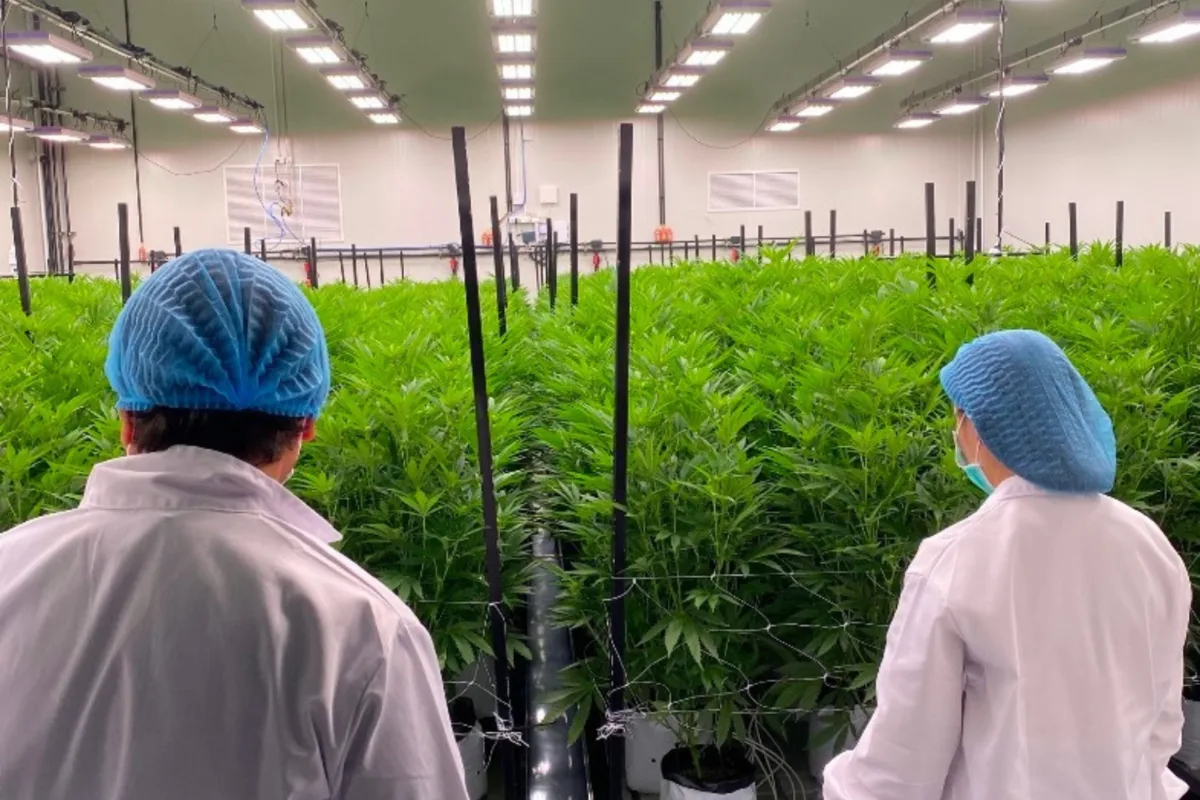
Instead, everything depends on what you actually plan to do. Growing, selling, processing — each activity is treated separately, and each one comes with its own approval.
In simple terms, most businesses fall into one or more of these:
- Growing (cultivation)
If you’re producing cannabis, this is where you start. Indoor, outdoor, small scale, larger operations — it all sits under this category. - Selling (retail / dispensary)
This is what most people notice first. Shops are everywhere now, but each one still needs proper authorization. - Processing
This applies if you’re turning raw material into something else — extracts, oils, infused products. - Medical use
A more controlled segment, usually tied to clinics or formal treatment settings.
A lot of setups overlap. Someone might grow and sell, or process and distribute. In those cases, you’re not dealing with just one marijuana licence in Thailand, but a combination of them.
Then there’s the ownership question, which tends to catch people off guard.
If you’re Thai, the path is relatively direct. If you’re not, things change. Foreigners usually can’t hold these licenses on their own. That means setting up a Thai company and working with local partners.
It’s not a workaround — it’s the structure the system expects.
Eligibility Requirements and Legal Restrictions
This is where the process stops feeling theoretical.
On paper, the requirements look manageable. In practice, this is where most delays happen — not because the rules are impossible, but because they’re specific in ways people don’t anticipate.
To get a cannabis licence in Thailand, you need a business that’s easy to understand from the outside. Who owns it, where it operates, what it does — all of that has to be clear.
At a basic level, you’re looking at:
- A Thai-registered company
- Identifiable people behind it
- A defined business activity
- A real, compliant location
But that’s just the starting point.
Location alone can complicate things. A space might look perfect commercially but still raise issues depending on what’s nearby. There are informal boundaries that matter just as much as written ones.
Then there’s control — how products are stored, who handles them, how movement is tracked. Authorities don’t want ambiguity here. The more structured your setup is, the smoother this part tends to go.
For foreign founders, the structure becomes even more important. Since direct ownership is limited, most rely on Thai-majority companies or partnership arrangements. If that’s not set up carefully, it can create problems later — not just legally, but operationally.
So when people talk about getting a weed licence in Thailand, they’re really talking about aligning all these pieces so the application actually makes sense when someone reviews it.
 Step-by-Step: How to Get a Cannabis Business License in Thailand
Once everything behind the scenes is in place, the actual process is fairly linear. It’s not especially complicated — it just doesn’t tolerate loose ends.
The flow usually looks like this:
- Set up your company
This comes first, always. Without a Thai entity, nothing moves forward. - Decide exactly what you’re doing
Growing, selling, processing — you need to be specific because your license depends on it. - Get your documents together
Company papers, IDs, operational details. This is where attention to detail matters. - Submit your application
The Thai FDA handles it, sometimes with input from local authorities. - Prepare for inspection
Not every case involves one, but you should assume it might. - Wait, adjust if needed, then get approved
Some applications go through cleanly. Others require small fixes along the way.
Timelines vary more than people expect. A well-prepared setup can move relatively quickly. A messy one can drag out for months.
If you’re trying to figure out how to get cannabis business license in Thailand, the simplest way to think about it is this: the process itself isn’t the hard part — getting everything ready for it is.
Costs, Fees, and Timeline Overview
This is usually where things stop looking as simple as they did at the beginning.
If you only look at official numbers, the cost of getting licensed in Thailand doesn’t seem that high. Compared to markets like the US or Canada, the entry barrier feels relatively low. But that’s only part of the picture.
The license itself is rarely the expensive part. What actually costs money is everything around it.
You’re paying for setting up the company, getting legal help if you need it, preparing your location so it doesn’t get rejected, and making sure your operation doesn’t fall apart once you open.
A rough breakdown looks something like this:
|
Expense Category |
Estimated Range (USD) |
Notes |
|
Company setup |
$1,000 – $3,000 |
Depends on structure and who helps you |
|
License fees |
$150 – $500 |
Varies depending on activity |
|
Location & setup |
$5,000 – $25,000+ |
Can go much higher in busy areas |
|
Compliance & paperwork |
$1,000 – $5,000 |
Legal, documentation, systems |
|
Monthly expenses |
$2,000 – $10,000+ |
Rent, staff, restocking |
Most people expect the license to be the main cost. It isn’t.
Timing follows a similar pattern. There’s no single answer that fits every case.
If everything is prepared properly, things can move faster than expected. But if something is unclear — missing documents, issues with the location, small compliance gaps — it slows down quickly.
So when people ask how long it takes to get a cannabis licence in Thailand, the honest answer is: it depends more on your setup than on the system itself.
Challenges and Risks When Starting a Cannabis Business in Thailand
From the outside, the market still looks wide open. Once you’re inside it, it feels different.
The main difficulty isn’t launching. It’s staying in a stable position after you launch.
A few patterns show up pretty consistently:
- Rules that aren’t fully settled
The framework is still evolving. Nothing changes overnight, but there’s always a sense that adjustments can come. - Too many similar businesses in the same places
In some areas, especially tourist-heavy ones, dispensaries opened faster than demand grew. - Dependence on local structures
If you’re not Thai, your business usually relies on partnerships. And not all partnerships are solid. - Lack of internal structure
This one is easy to overlook. Businesses that don’t keep things organized — inventory, sourcing, documentation — tend to run into issues sooner or later.
There’s a line from Anutin Charnvirakul, who was Minister of Public Health when the policy shift happened: “We are not promoting cannabis for recreational use. It should be used for medical purposes and health.” (Source: Reuters, 2022)
That statement still reflects how authorities approach the industry. Even if things look relaxed on the surface, the underlying direction is more cautious.
Conclusion: Is It Worth Getting a Weed License in Thailand?
It really depends on what you expect going in.
If you’re looking for something fast and easy, this probably isn’t it anymore. That phase didn’t last long.
But if you’re building something properly — with a clear structure, realistic expectations, and some patience — the opportunity is still there.
A weed licence in Thailand doesn’t do much on its own. It just gives you access. What you do with it is what actually matters.
FAQ
Can foreigners get a cannabis licence in Thailand?
In most cases, not directly. Foreigners usually need to work through a Thai company, often with local partners involved. The structure has to be set up carefully, otherwise it can create problems later — not just legally, but in day-to-day operations as well.
How long does it take to get a marijuana licence in Thailand?
There isn’t a fixed timeline. If everything is prepared properly, it can move fairly quickly. If there are gaps in documentation or issues with the setup, it can take much longer than expected.
Is recreational cannabis fully legal in Thailand?
Not really. It’s decriminalized, but that’s not the same thing. There are still restrictions, especially around public use and promotion, and the long-term direction is still being discussed.
What type of cannabis business is easiest to start?
Retail is usually the most accessible starting point, but it’s also where competition is strongest. What’s “easiest” really depends on your resources, connections, and how you structure the business.
Do I need a physical location before applying?
Yes, in most cases you do. Authorities typically want to see where the business will operate, and in some situations, inspections are part of the process before approval.
How much does it cost to start a cannabis business in Thailand?
It varies a lot. The license itself is relatively inexpensive, but the full setup — company, location, compliance, operations — can add up quickly depending on your scale.
Is the cannabis market in Thailand still growing?
Yes, but it’s not in that early, chaotic growth phase anymore. It’s becoming more structured, which means new businesses need to be more prepared to compete and stay compliant.
 By Amey Myers