
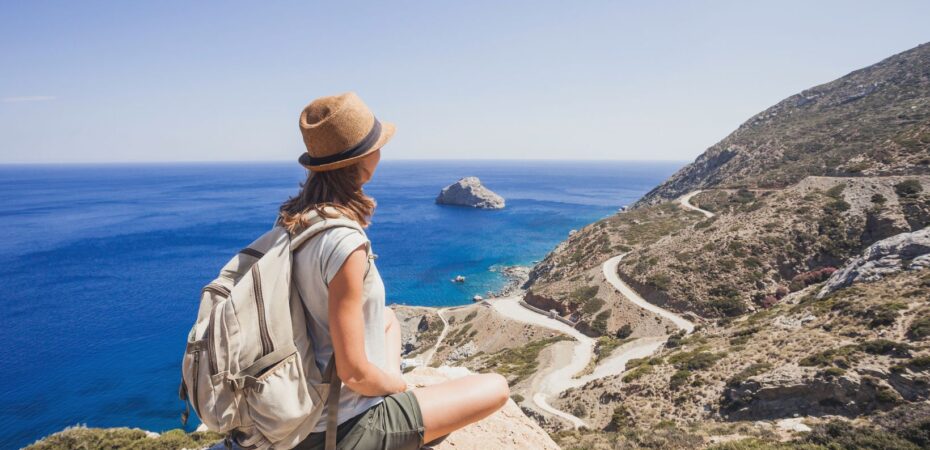
A first trip to a new country comes with small surprises, and prices sit right at the top of that list. You sit down for a meal, check the menu, and pause for a second because something feels off.
It might seem cheap, or it might feel higher than expected, even before you convert it. After a few days, that reaction changes.
You stop comparing everything to your home currency and start paying attention to how people around you live and spend.
You Stop Trusting Price Tags At Face Value
Early trips often come with confusion. You see a number, convert it, and try to decide if it feels expensive. After a while, that habit changes.
A coffee in one city might cost €3 and feel normal.
In another place, €3 might feel overpriced based on local wages and lifestyle. You begin to look beyond numbers and focus on context.
You start asking simple questions:
- How much do locals earn here?
- How often do people eat out?
- Does this price match the experience?
That kind of thinking removes the automatic reaction to prices. It replaces it with judgment based on real value, not just currency.
Timing Starts To Matter More Than Cost
Travel teaches timing in a very direct way. Flight prices change within hours. Hotel rates shift based on demand. Even food and transport can cost more during busy periods.
You begin to notice patterns:
- Flights cost less mid-week
- Tourist areas raise prices during peak hours
- Seasonal changes affect almost everything
That awareness goes beyond travel.
Some people take it further and start exploring areas like forex gold trading to understand how timing affects value on a larger scale.
Markets move based on activity, just like travel prices shift based on demand. Once you notice timing, you rarely ignore it again.
You Learn To Compare Value, Not Just Cost
Travel forces quick decisions. You choose between a cheap option and a better experience. Over time, those choices become easier.
A $10 meal might fill you up, but a $15 meal in the same place might offer better quality, better service, and a more enjoyable experience.
That small difference changes how you see spending. Instead of asking “Is it cheap?”, you start asking:
- Is it worth it?
- Will I remember this?
- Does the experience match the price?
That shift affects daily life as well. You stop chasing the lowest price and start looking for the best balance.
Currency Differences Change Your Habits
Switching currencies creates a strange effect at first. You either overspend because everything feels cheap or hold back because prices look high.
After a few trips, habits adjust. In countries where your money goes further, you might:
- Eat out more often
- Try new activities without hesitation
- Stay in better places
In more expensive destinations, you become selective. You plan more carefully and avoid unnecessary spending.
That constant adjustment trains your brain. You become more aware of how money works across different places, not just in your home country.
Small Expenses Start To Add Up Fast
Daily costs seem small at first. A snack here, a taxi there, a quick coffee between activities. Travel makes you notice how quickly those add up.
A simple example:
Coffee: $4
Snack: $6
Taxi: $12
That already reaches $22 in a short time, and it happens more than once a day. Once you notice this pattern, you start making small changes:
- Walk instead of taking short rides
- Buy water in stores instead of tourist spots
- Plan meals instead of grabbing food on the go
These changes do not reduce enjoyment. They simply make spending more intentional.
You Start Thinking Long Term Without Realizing It
Travel creates distance from routine. That distance helps you think differently about money. You begin to notice:
- How quickly savings can disappear
- How different countries handle costs
- How lifestyle affects spending
Some travelers return home and adjust their habits. Others take it further and look into new ways to manage money or understand value across markets.
That shift does not happen overnight, but travel often starts it.
Conclusion
Travel changes how money feels.
Prices stop being simple numbers, and value becomes more personal. You start to notice patterns, timing, and small decisions that shape your spending.
That awareness stays with you long after the trip ends. It affects how you plan, how you choose, and how you judge what matters.
In the end, travel does not just show you new places. It changes how you think about money in a way that feels natural and lasting.
Frequently Asked Questions
What is the best way to track spending while traveling?
Use a simple note app or a budgeting app that works offline. Write down daily expenses instead of relying on memory.
Can travel help improve financial discipline?
Yes. Regular exposure to different costs and budgets can help you make more thoughtful spending decisions over time.
Do exchange rates affect how much you should budget for a trip?
Yes. Exchange rates can change the real cost of your trip, so it helps to check them before and during travel.
Is it better to use cash or card when traveling abroad?
Both have benefits. Cards offer convenience, while cash helps control spending and works in places where cards are not accepted.
 By Gregory O'Neill
Greg is a modern-day explorer with an insatiable love for travel. His passion for adventure has led him to far-flung corners of the world, where he immerses himself in diverse cultures and experiences. Greg's zest for life is epitomized by a continuous pursuit of new horizons and captivating journeys.