
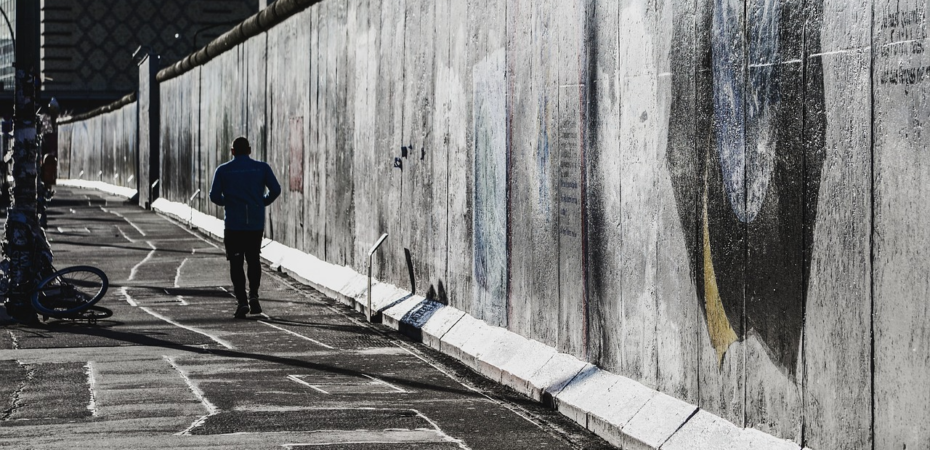
When the Berlin Wall fell in 1989, the story that followed across Eastern Europe was not simple or tidy. State industries broke apart, old career paths lost their shape, and many institutions had to learn how to work in a market that rewarded speed, accuracy, and constant adjustment. In that kind of setting, technical skill was valuable, but discipline mattered just as much. Teams had to plan carefully, stretch limited resources, and fix problems without wasting time or materials. Those habits did not disappear when the region moved into tech. They changed form and found a new home in software.
That history helps explain why global clients still pay attention to Eastern Europe. Many first looked at cost, yet they stayed for consistency, engineering depth, and the way teams handle complex work without a lot of fuss. For companies hiring software developers in Eastern Europe, the real draw is rarely a low invoice on its own. It is the mix of technical training, careful execution, and a work style shaped by decades of adaptation. N-iX is one of the names that fits that picture because the appeal of the region has moved well beyond simple labor savings.
How Scarcity Shaped a More Disciplined Way of Working
A lot of Eastern Europe’s software discipline makes more sense when viewed as a carryover from an earlier way of life. For years, people across the region learned to work around shortages, shifting rules, and systems that did not forgive sloppy choices. That did not magically create better programmers, but it did reward people who checked details, kept mental backups, and treated mistakes as expensive. In software, those same instincts show up in cleaner handoffs, fewer casual assumptions, and a stronger respect for structure. Therefore, software development in Eastern Europe has a reputation for being steady under pressure rather than flashy for its own sake.
The education piece matters too, because the region built a long tradition around maths, engineering, and technical training. That background does not guarantee great products, and no region has a monopoly on good work. However, it does help explain why Eastern European teams are comfortable with logic-heavy tasks, deep product work, and long projects that need patience as much as speed. Instead of treating code as disposable output, many teams treat it like a system that has to survive contact with real users, difficult timelines, and future updates. That mindset may sound plain, yet it is a big reason clients keep coming back.
How Eastern Europe Moved Beyond the Outsourcing Label
In the early years, outsiders sometimes spoke about the region as if it were only a bench of affordable talent. That view missed the more important shift. As local firms matured, they moved from support tasks into architecture, product design, research, and long-term delivery. The change was not just about bigger budgets. It came from teams proving that they could stay close to deadlines, document their work, and communicate clearly with clients in North America and Western Europe. That kind of trust grows slowly, which is why the region’s name now carries more weight than it did twenty years ago.
That is also why many software development companies in the region look less like overflow vendors and more like core delivery partners. A company such as N-iX signals that shift because buyers are no longer just filling empty seats. They are choosing teams that can join a product, understand business logic, and keep quality stable as the scope changes. In the middle of that shift, ideas linked to offshore software development and even working culture stopped sounding like side notes and started shaping how clients judge reliability.
Why Discipline Matters When Software Projects Get Complicated
Projects rarely fall apart because nobody on the team knows how to code. More commonly, trouble starts when context slips through the cracks, deadlines narrow people’s judgment, and minor misses pile up until the clean-up becomes expensive. Eastern European teams have gained respect by being good at the less glamorous side of delivery, the part that keeps a project from wobbling when real pressure shows up.
- Clear written notes matter early, especially when a product spans time zones and a missed detail on Monday can delay testing by Thursday.
- Thoughtful reviews pay off when work touches payments, security, or user accounts, where a small mistake can travel much further than expected.
- Straightforward communication helps during handoffs, since saying “this part looks risky” early saves much more time than staying polite and raising it after the damage is done.
- Experience with layered systems becomes valuable when older products need updates, fresh tools are being rolled out, or several teams have to coordinate one release.
Those habits fit current software development services because modern delivery depends on more than writing new features fast. Teams now have to maintain internal tools, standardize release work, and reduce friction for everyone building the product. Discussions around platform engineering point in the same direction. The teams that last are the ones that keep systems readable, predictable, and easy to support when the pressure rises.
Conclusion
Eastern Europe did not become respected in tech by accident, and it did not happen because the region was simply cheaper. The deeper story is that years of adjustment trained people to value precision, resilience, and disciplined work. When software became a major path for talent, those habits proved useful. They still do. That is why the region keeps producing teams that stay calm in messy projects, protect quality when timelines tighten, and treat software as work that has to hold up long after launch.
 By Gregory O'Neill
Greg is a modern-day explorer with an insatiable love for travel. His passion for adventure has led him to far-flung corners of the world, where he immerses himself in diverse cultures and experiences. Greg's zest for life is epitomized by a continuous pursuit of new horizons and captivating journeys.