
Moving abroad is exciting. You pack your bags, book the flight, and finally start living the life many people only dream about. Whether it’s working remotely from a beach in Southeast Asia, spending a few months in a European city, or slowly moving from country to country, the freedom and flexibility can feel incredibly rewarding. But once the initial excitement settles, practical realities start to appear. Living internationally isn’t just about finding the next destination or adjusting to a new culture. There are also administrative details that many people don’t think about before they leave the United States.
For Americans in particular, living abroad often comes with logistical challenges that aren’t obvious at first. Many banks, government systems, and financial platforms were designed with the assumption that users still maintain a stable presence in the U.S. Forms frequently ask for a residential address. Payroll platforms require a U.S. state on file. Banks sometimes need address verification for compliance purposes. Even routine government correspondence from agencies like the IRS or Social Security is often still sent through traditional mail.
These requirements can create complications for Americans who no longer maintain a permanent home in the United States. A missing address can trigger account reviews, delay important paperwork, or create unnecessary friction when opening financial accounts, filing taxes, or managing investments.
Without the right infrastructure in place, these seemingly small administrative requirements can gradually become frustrating obstacles. What should be simple tasks, updating an account, receiving official documents, or verifying identity, may suddenly require extra work, phone calls, or complicated workarounds.
Fortunately, the growing community of American expats and digital nomads has led to the development of services and tools designed specifically to address these challenges. From maintaining a reliable U.S. residential address to navigating international tax obligations and connecting with other expats, a number of resources now exist to make long-term life abroad significantly easier.
Setting up the right tools early can save a great deal of time and stress later. Here are five essential resources that help Americans abroad maintain stability, stay compliant, and focus more on enjoying the experience of living internationally.
1. Savvy Nomad: U.S. Residential Address for Americans Abroad
One of the first logistical challenges Americans face when living overseas is maintaining a U.S. residential address. Many banks, payroll platforms, brokerages, and government agencies require a residential address for identity verification, compliance checks, and official correspondence. When someone leaves the U.S. long-term, they often lose access to an address that meets these requirements.
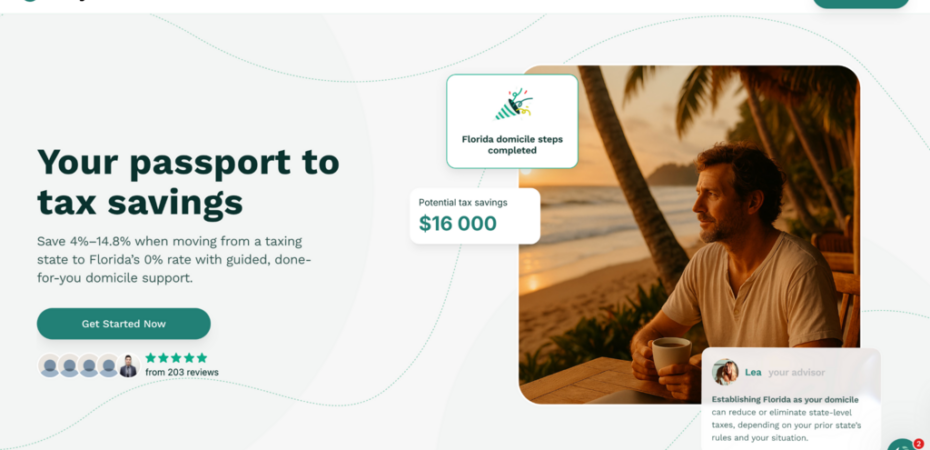
Savvynomad helps solve this problem by providing a Florida residential street address for Americans abroad, designed to align with the format commonly expected by financial institutions and administrative systems. This allows expats, digital nomads, and retirees to maintain important U.S. financial ties while living internationally, without needing to own or rent property in the United States.
In addition to the address itself, some plans may include supporting documentation such as a lease agreement or utility bill issued in the user’s name, which can help when stronger proof of address is required. For Americans leaving higher-tax states, the platform also offers guidance related to Florida domicile preparation, a step some expats consider because Florida does not impose personal income tax. Together, these features help simplify legal and financial logistics for Americans building a life abroad.
2. Greenback Expat Tax Services: Filing U.S. Taxes from Abroad
One aspect of American citizenship that surprises many people after moving overseas is that U.S. tax obligations still apply regardless of where you live. Even if income is earned entirely abroad, Americans are typically required to file an annual tax return with the IRS.
This often involves additional reporting requirements such as FBAR filings, the Foreign Earned Income Exclusion (FEIE), and foreign tax credits. Because these forms can be unfamiliar to standard U.S. tax preparers, many expats choose to work with specialists who regularly handle international filings.
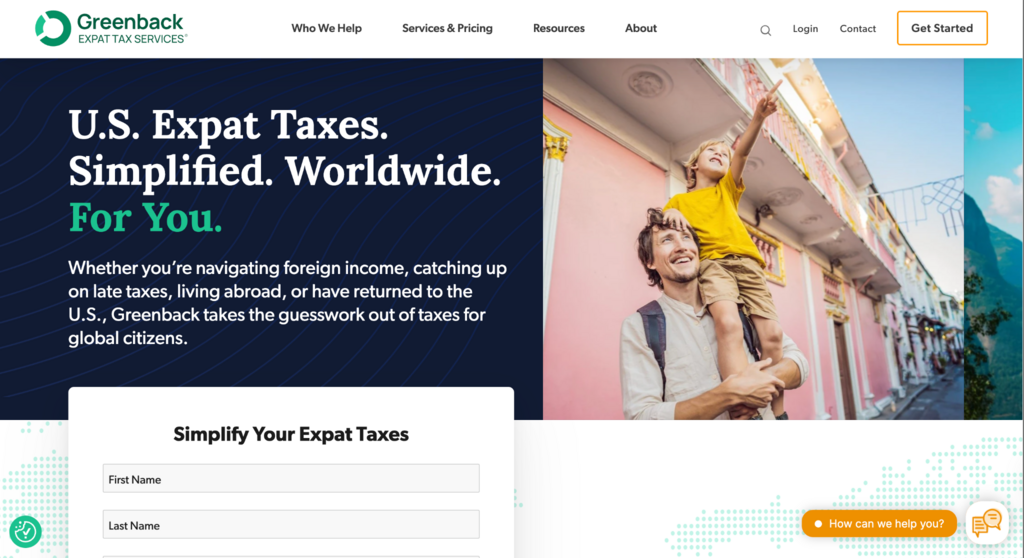
Services like Greenback Expat Tax Services focus specifically on Americans living abroad. Their accountants are experienced with expat tax rules and can help ensure filings are completed correctly while minimizing the risk of errors or penalties.
3. Nomad Capitalist: Global Strategy and International Planning
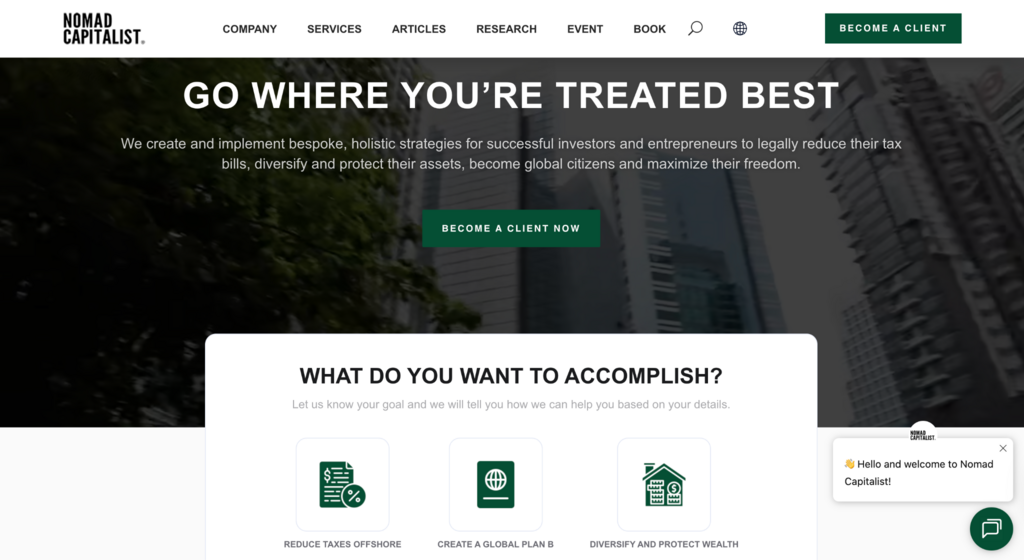
For Americans planning to spend many years abroad, understanding global residency, taxation, and international financial systems can become increasingly important. Platforms like Nomad Capitalist, founded by Andrew Henderson, provide educational content focused on international mobility. Their resources often cover topics such as second residencies, global tax considerations, offshore banking, and international structuring for location-independent professionals.
While not every expat needs complex international strategies, learning how different jurisdictions approach taxation and residency can help Americans make more informed long-term decisions about where and how they live.
4. Numbeo: Comparing Cost of Living Worldwide
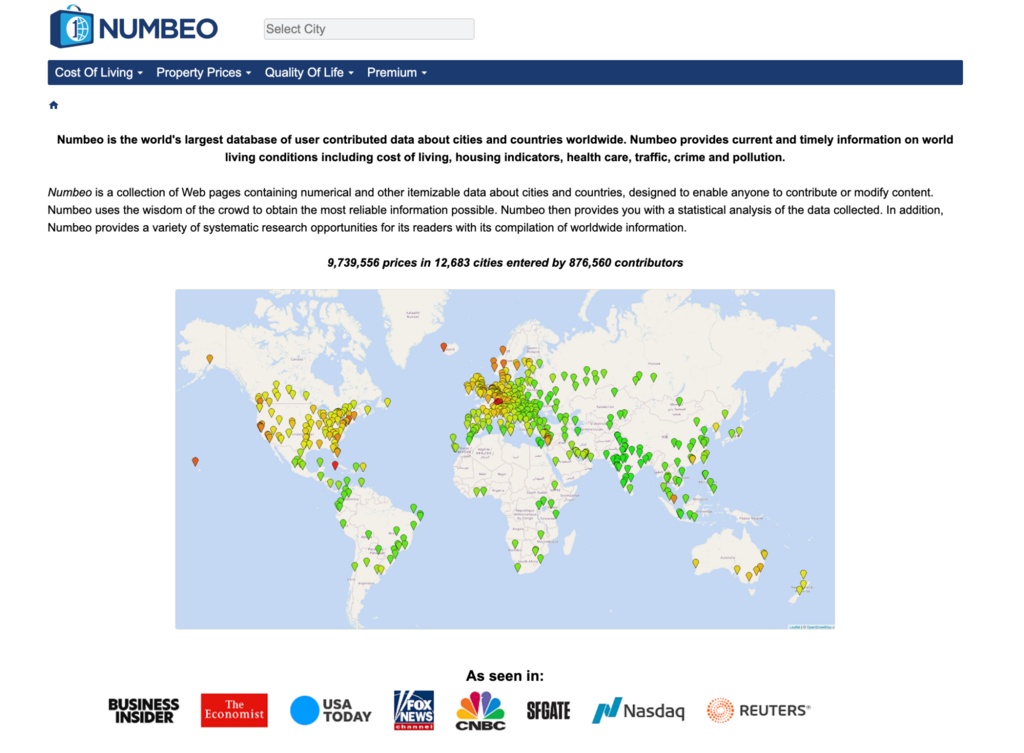
Choosing where to live is one of the biggest advantages of a location-independent lifestyle. However, understanding the true cost of living in different cities can be difficult without reliable data. Platforms like Numbeo collect user-contributed data on prices around the world, covering categories such as housing, groceries, transportation, healthcare, and dining. This allows users to compare cities and estimate how far their income will stretch in different destinations.
For digital nomads and remote professionals, tools like this help transform relocation decisions from guesswork into data-driven planning, making it easier to choose destinations that match both lifestyle and financial goals.
5. InterNations: Global Community for Expats
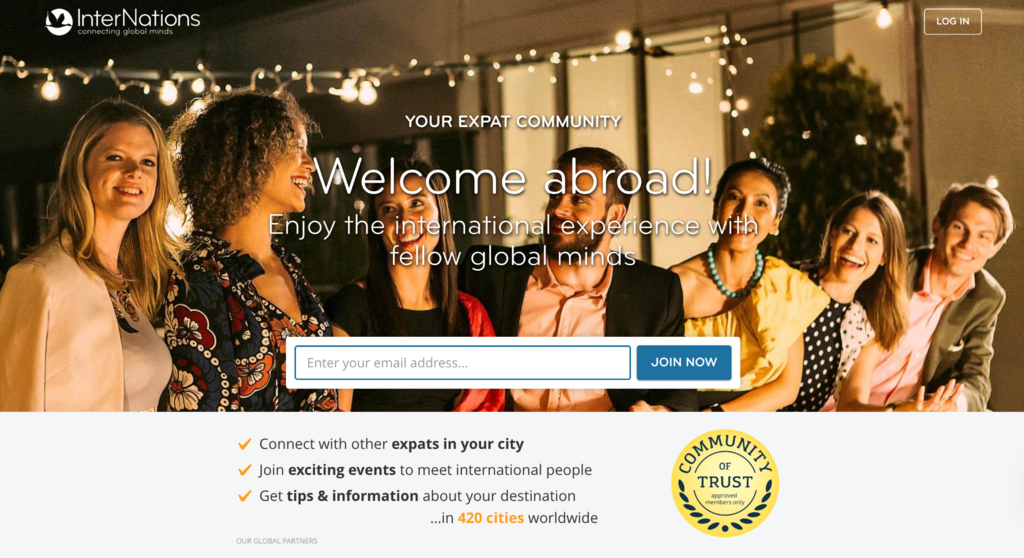
Beyond logistics and finances, building a support network abroad is just as important. Many expats rely on international communities to share advice and learn from people who have already navigated similar challenges.
InterNations is one of the largest global expat communities, connecting people living abroad in hundreds of cities worldwide. Members can access local events, discussion forums, and guides covering topics such as relocation, visas, and settling into a new country.
For Americans adjusting to life overseas, communities like this can provide valuable real-world insights and connections that make the transition smoother.
Build the Right Foundation Before You Need It
Americans who successfully maintain long-term international lifestyles tend to focus on building the right infrastructure early. While choosing destinations and planning travel is exciting, the practical side of living abroad often determines how smooth the experience will actually be. Setting up reliable systems for taxes, financial access, cost-of-living planning, and community support can prevent many complications that otherwise appear months or even years later.
Many of the challenges Americans encounter abroad are not about travel itself, but about maintaining access to systems that were designed with a domestic lifestyle in mind. Banks, brokerages, payroll platforms, and government agencies frequently expect a stable U.S. presence. Without the right setup, something as simple as verifying an account or receiving official correspondence can quickly turn into a time-consuming problem when you’re thousands of miles away.
Among these foundational tools, maintaining a U.S. residential address for Americans abroad is often one of the most important pieces. A valid residential address helps support identity verification, financial accounts, tax documentation, and communication with institutions that still rely on U.S. mailing systems. For remote professionals, expats, and retirees living internationally, having a stable domestic address can significantly reduce administrative friction.
That’s why many Americans abroad look for solutions that allow them to maintain a legitimate U.S. residential presence while living internationally. Services like Savvy Nomad help fill this gap by providing a Florida residential address and guidance designed for expats, digital nomads, and retirees. With the right infrastructure in place, Americans can focus less on paperwork and more on enjoying the opportunities that come with living and working around the world.
 By Gregory O'Neill
Greg is a modern-day explorer with an insatiable love for travel. His passion for adventure has led him to far-flung corners of the world, where he immerses himself in diverse cultures and experiences. Greg's zest for life is epitomized by a continuous pursuit of new horizons and captivating journeys.


