
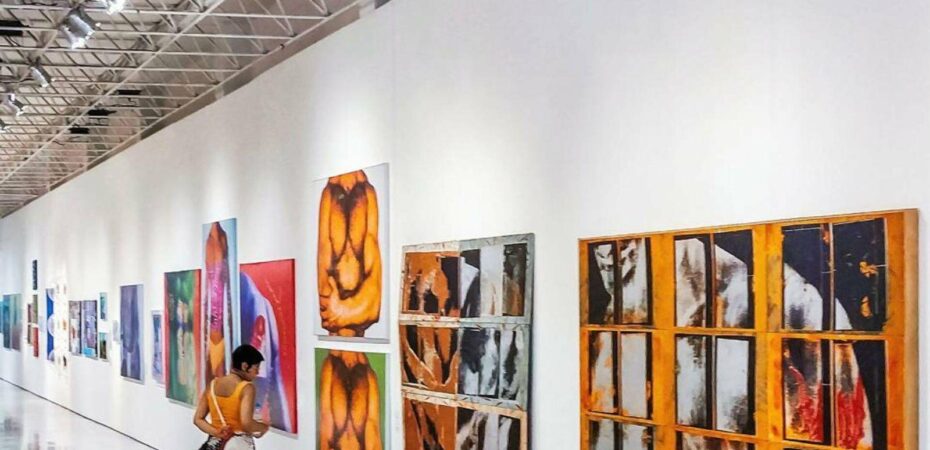
For those considering presenting art or curatorial projects in Venice during the Biennale season, it is helpful to understand how the city adapts at this time. The Venice Biennale is not just a single event; it encompasses official national pavilions, recognized collateral events, and a wide range of independent exhibitions across the city. Each format has distinct requirements, costs, and timelines. This overview outlines the structure of exhibiting in Venice and highlights considerations that are relevant for projects in this unique setting.
Understanding Venice as an exhibition city
During the Biennale, Venice becomes a main destination for the international art community. The official program includes national pavilions organized by different countries, a centrally curated exhibition, and collateral events that have received formal recognition. In addition, many artists and institutions arrange independent exhibitions throughout the city to engage with a global audience.
Since there is no universal application process, each type of exhibition follows its own path. Selecting the approach that aligns with your project’s goals is essential—whether that means pursuing official status or opting for an independent presentation. Understanding where your exhibition fits within this broad framework is key to effective planning.
Further information on how to exhibit in Venice, including specific requirements for different types of projects, can be found through dedicated resources.
Practical steps and requirements for exhibiting
Planning an exhibition in Venice requires attention to logistics and local regulations. Many venues are reserved 18–24 months in advance, as spaces suitable for exhibitions are limited and highly sought after during Biennale years. Certain venues—especially historic buildings—may require special permits to meet preservation and fire safety standards.
Budgets typically need to reflect higher costs than in other cities. Exhibition expenses might be 30–50% greater due to water-based transport, specialized labor needs, and the extended duration of shows during the season. It is necessary to make arrangements for shipping artworks (often involving boats or barges from the mainland) and factor in accommodation and staffing for extended periods.
To obtain recognition as a collateral event or to secure particular venues, comprehensive proposals are often required. These proposals usually include confirmation of venue, financial details, artist lists, and evidence of compliance with local regulations. Independent exhibitions—those not linked officially with La Biennale di Venezia—still need municipal permits and careful budget planning.
Real-world examples and choosing your route
Opportunities exist for both institutions and individual artists wishing to exhibit in Venice. National pavilions involve early coordination with relevant cultural authorities. Collateral events suit organizations with established connections able to meet deadlines set well before the Biennale begins. Independent exhibitions are also common; many artists arrange their own spaces or collaborate with local partners.
Projects can range from large-scale institutional presentations in historic sites to intimate artist-led shows scheduled alongside major events. Logistics providers play a role in transporting works across Venice’s canals, while local production teams handle installations adapted to the city’s unique architecture.
Choosing how to exhibit in Venice during the Biennale season involves balancing artistic aspirations with practical challenges. Careful consideration helps exhibitors present engaging work while managing responsibilities and expenses efficiently.
 By
By 


