
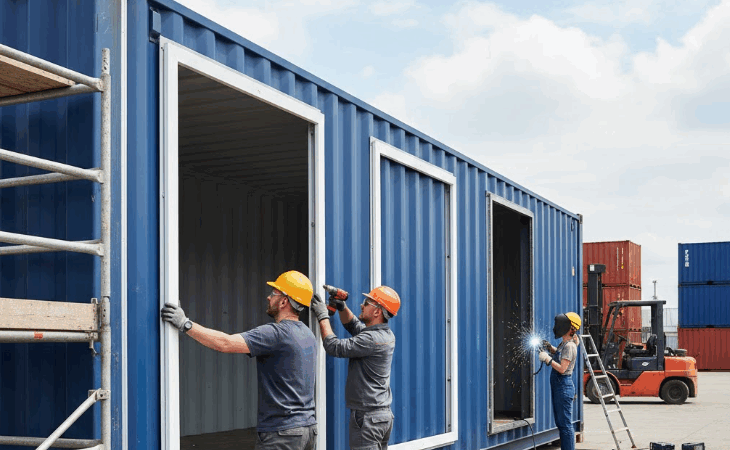
Shipping containers are no longer just a means of transporting goods—they have become a versatile resource for innovative design and functional spaces. Their durability, affordability, and modular nature make them ideal for a wide range of applications. In recent years, the shipping industry and construction sectors have witnessed a significant transformation through custom shipping container modifications. Shipping container modifications provide a versatile solution for businesses, homeowners, and innovators looking to repurpose standard containers for specialized applications. By adapting a basic shipping container to meet specific needs, these modifications unlock a wide range of possibilities for storage, living, and commercial use.
What Are Shipping Container Modifications?
Shipping container modifications involve altering the original structure of a standard container to enhance its functionality, accessibility, and aesthetics. Standard containers are typically used for transporting goods, but with the right modifications, they can be transformed into storage units, mobile offices, pop-up shops, or even full-fledged living spaces. These modifications can be minor, such as adding ventilation or windows, or extensive, involving full interior redesigns, insulation, plumbing, and electrical installations.
Common Types of Container Modifications
Shipping container modifications can be broadly categorized based on their intended use and the level of customization. Understanding the common types helps businesses and individuals select the most suitable solution.
1. Storage Modifications
One of the most popular applications of container modifications is creating secure storage units. Modified containers can be equipped with shelving, lighting, climate control, and security features to safely store tools, equipment, or inventory. These storage modifications are particularly beneficial for construction sites, retail operations, and agricultural businesses requiring robust and mobile storage solutions.
2. Office and Workspace Modifications
Shipping containers can be converted into mobile offices or workspaces. These modified containers provide a cost-effective and flexible solution for companies that need temporary or semi-permanent office spaces. Modifications typically include insulation, windows, doors, HVAC systems, and electrical wiring. Modern container offices can also be designed with ergonomic interiors, meeting rooms, and internet connectivity, providing a productive environment on-site or in remote locations.
3. Residential Modifications
Container homes are an increasingly popular trend in sustainable and affordable housing. Residential container modifications often involve structural changes such as cutting openings for doors and windows, installing insulation, and adding interior partitions. Plumbing and electrical systems can also be integrated, allowing for fully functional kitchens, bathrooms, and living areas. This approach not only reduces construction costs but also shortens building time compared to traditional methods.
4. Retail and Commercial Modifications
Retailers and entrepreneurs leverage modified shipping containers for pop-up shops, cafes, and showrooms. These commercial modifications focus on aesthetic appeal and customer experience while maintaining durability and portability. Containers can be fitted with display racks, counters, lighting, signage, and seating areas. Their modular design allows businesses to easily relocate or expand their operations, making them ideal for events, festivals, and seasonal markets.
5. Specialty and Industrial Modifications
Certain industries require specialized container modifications to support unique operational needs. Examples include refrigerated units for perishable goods, mobile laboratories for field research, and secure storage for hazardous materials. These modifications often involve technical upgrades such as temperature control, reinforced flooring, ventilation systems, and safety enhancements to meet industry standards and regulations.
Benefits of Shipping Container Modifications
Shipping container modifications offer numerous advantages, making them a practical solution across industries. Here are some key benefits:
- Cost-Effective: Compared to traditional construction methods, modifying shipping containers is significantly more affordable. Even with advanced customizations, the overall cost remains lower due to the pre-fabricated structure of the container and reduced labor requirements. Businesses and homeowners can achieve functional spaces without the high expenses associated with conventional buildings.
- Mobility and Flexibility: One of the greatest advantages of container modifications is mobility. Modified containers can be transported easily using trucks, trailers, or cranes. This flexibility allows businesses to relocate offices, stores, or storage units as needed, providing a dynamic solution for evolving operational requirements. Temporary setups, seasonal businesses, and remote projects benefit greatly from this adaptability.
- Durability and Security: Shipping containers are inherently strong and designed to withstand harsh environments, including extreme weather conditions. When modified, they retain their structural integrity while gaining enhanced functionality. Containers can be equipped with secure locks, reinforced doors, and advanced alarm systems, offering a safe solution for storing valuable items, sensitive equipment, or commercial products.
- Sustainability: Repurposing shipping containers is an environmentally friendly approach that reduces waste and promotes recycling. Instead of letting used containers sit idle, modifying them extends their lifecycle while minimizing the carbon footprint associated with traditional construction materials. Additionally, container modifications can incorporate eco-friendly features like solar panels, rainwater harvesting, and energy-efficient insulation.
- Quick Turnaround: Traditional construction projects often require months of planning and building. In contrast, shipping container modifications can be completed in a fraction of the time. Pre-fabricated containers serve as ready-made structures, allowing for faster installation and occupancy. This rapid turnaround is particularly beneficial for businesses facing tight deadlines or urgent space requirements.
Applications Across Industries
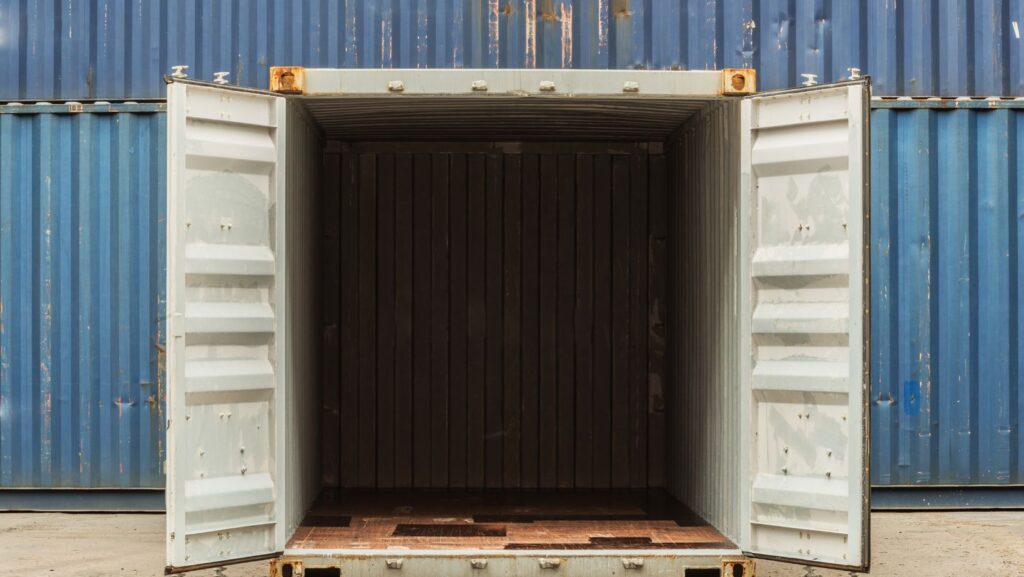
The versatility of container modifications makes them suitable for a wide array of applications. Understanding these use cases highlights the potential of modified containers beyond standard shipping purposes.
1. Construction and Project Sites
On construction sites, modified containers serve as portable offices, storage units, and break rooms. They provide a secure environment for tools, materials, and project documentation while offering on-site workspaces for managers and engineers. Their mobility ensures that they can be repositioned as the project progresses.
2. Retail and Hospitality
Pop-up shops, mobile cafes, and boutique stores benefit from container modifications due to their compact size and modularity. Entrepreneurs can create unique, eye-catching spaces that attract customers while retaining the ability to relocate or expand operations. The ease of modification also allows businesses to customize interiors to reflect their brand identity.
3. Residential and Housing Solutions
Modified containers have become a practical solution for affordable housing, student accommodations, and temporary shelters. They offer a sustainable and cost-effective alternative to traditional homes, allowing for comfortable living spaces that meet modern standards. Customizations can include multi-story container homes, rooftop gardens, and integrated renewable energy systems.
4. Industrial and Specialized Use
Industries such as logistics, agriculture, and healthcare utilize modified containers for specialized functions. Refrigerated units preserve perishable goods, mobile labs facilitate field testing, and secure containers store sensitive equipment. These applications demonstrate the adaptability of containers to meet highly specific requirements while maintaining safety and efficiency.
5. Emergency and Disaster Response
Modified shipping containers are increasingly used in emergency response scenarios. They can serve as temporary shelters, mobile clinics, or command centers during natural disasters or humanitarian crises. Their quick deployment, durability, and portability make them a valuable asset in situations where rapid response is essential.
Choosing the Right Container Modification
Selecting the appropriate container modification requires careful consideration of the intended purpose, budget, and logistical constraints. Key factors to evaluate include:
- Container Size and Type: Standard sizes such as 20-ft and 40-ft containers may be sufficient for most applications, but specialized modifications may require custom dimensions.
- Level of Customization: Determine whether minor modifications suffice or if extensive structural changes are necessary.
- Budget and Timeline: Assess costs and project timelines to ensure that modifications align with financial and operational goals.
- Regulatory Compliance: Some modifications, especially for residential or commercial use, may require adherence to building codes, zoning laws, or safety regulations.
Working with experienced professionals who specialize in container modifications ensures that the final product meets functional, aesthetic, and regulatory standards.
Shipping container modifications represent a versatile, cost-effective, and sustainable solution for a variety of applications, ranging from storage and offices to residential and commercial spaces. Their durability, mobility, and adaptability make them ideal for businesses, homeowners, and industries seeking innovative and practical alternatives to conventional construction. By leveraging custom modifications, standard containers can be transformed into functional and aesthetically appealing solutions tailored to unique needs. For more inspiration and ideas on maximizing the potential of shipping containers, explore creative ways to transform a shipping container https://www.re-thinkingthefuture.com/technologies/gp6290-creative-ways-to-transform-a-shipping-container/ and discover how ordinary containers can become extraordinary spaces for living, working, and business innovation. These innovative designs demonstrate that the possibilities with shipping containers are virtually limitless. Whether for personal, commercial, or industrial use, modified containers offer practical solutions that combine functionality with creative design.
 By Gregory O'Neill
Greg is a modern-day explorer with an insatiable love for travel. His passion for adventure has led him to far-flung corners of the world, where he immerses himself in diverse cultures and experiences. Greg's zest for life is epitomized by a continuous pursuit of new horizons and captivating journeys.


