
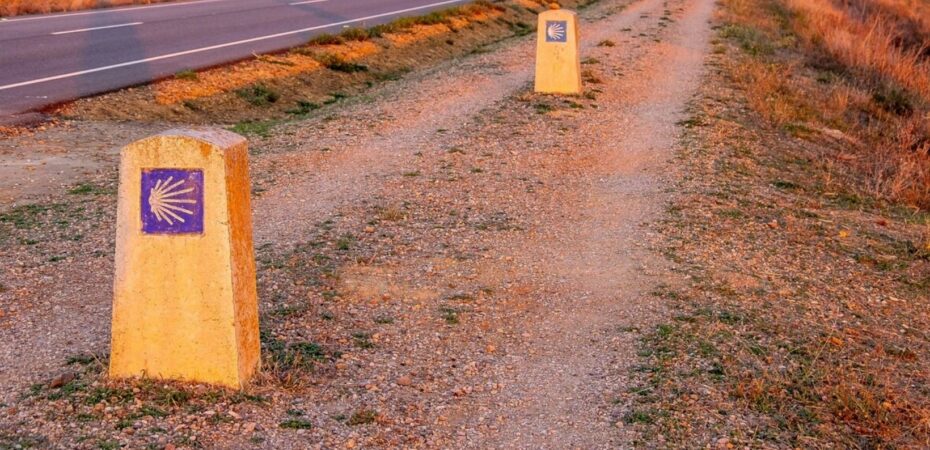
Most holidays are about reaching the destination but, in Camino de Santiago, the appeal is in the journey itself. It’s a rare type of privilege – to do nothing but walk for days on end, with no distractions or commitments.
If you’re considering walking the Camino for the first time, this guide will break down everything you need to know before your trip.
Camino De Santiago Routes
Camino de Santiago is not just one route but rather a whole network of well-established long-distance trails. While the majority of them lead to the infamous city of Santiago de Compostela, each has its own unique character.
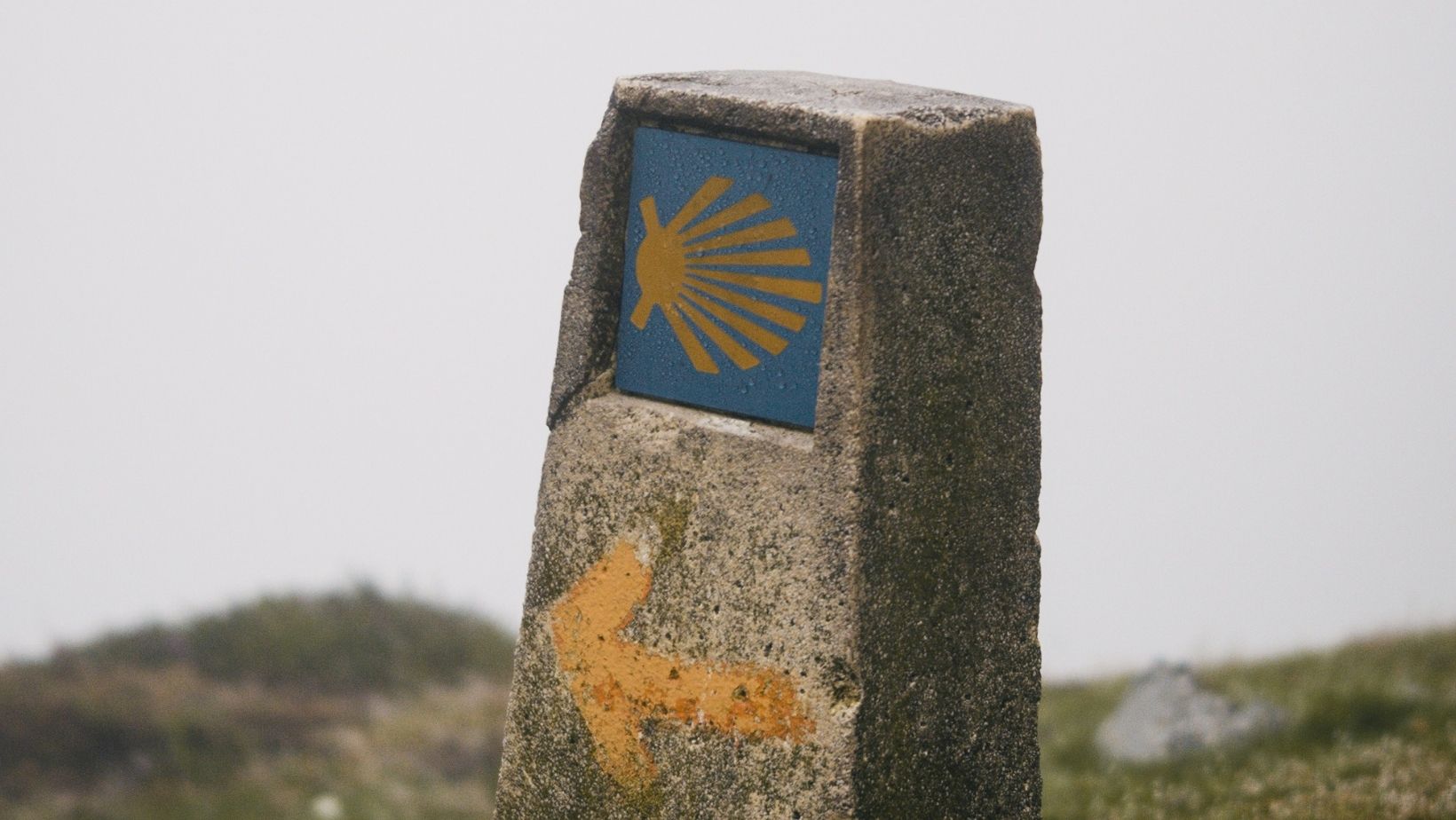
Below are some of the most popular Camino de Santiago routes:
- Camino Francés: By far the most popular route, attracting nearly 250,000 pilgrims each year. The entire route stretches roughly 800 km from Saint-Jean-Pied-de-Port, although many people choose to walk the final 100 km from Sarria. This route is well-marked, sociable and has excellent infrastructure, making it ideal for first-timers.
- Camino Portugués: Starting in Porto or Lisbon, Camino Portugués connects two countries in one, leading into Spain in the final third of the route. There is also a coastal variant that follows Portugal’s beautiful Atlantic coastline.
- Camino Primitivo: Known as the Camino’s oldest route, Camino Primitive starts in Oviedo. While relatively short, the route is also more rugged and physically demanding, so it typically attracts more seasoned walkers.
- Camino del Norte: Following Spain’s northern coastline from San Sebastián, Camino del Norte is one of the longer routes, covering roughly 825 km.
- Camino Ingles: Originally known as the route that pilgrims from the British Isles took, Camino Ingles takes you on a historical journey from Ferrol to Santiago.
Your choice of the route should depend on how much time you have, your fitness level, your personal preferences and whether you prefer solitude or a social atmosphere. Keep in mind, however, that you need to walk at least the final 100 kilometers to be eligible for the Compostela Certificate!
Logistics And Practical Tips
Planning the logistics is key to the Camino experience. Since you will be walking from one place to another, you’ll need a different accommodation for each night. Most pilgrims tend to walk between 20-25 km per day, but this can be adjusted based on your fitness level. If you’re not sure, you can also use a specialist Camino de Santiago travel agency. They will take care of your itinerary, hotel bookings, luggage transfers and any other logistics for you.
Below are some other practical tips for your first Camino:
- Best time to walk: Spring and Autumn are generally considered the optimal time to walk, offering mild weather and fewer crowds than peak summer. If you’re walking in the summer, it’s best to start early each morning to avoid the peak heat.
- Packing: Unless you’re using luggage transfer services, you’ll have to carry all of your belongings with you. Therefore, it’s important to pack as lightly as possible (ideally no more than 10% of your body weight). Prioritise comfortable walking shoes (these should be already broken in) and lightweight, quick-drying clothes that can be layered easily.
- Physical preparation: Camino de Santiago is a physically challenging journey, even on the easier trails. Make sure to prepare for it by doing regular long walks prior to your trip. It’s always wise to plan for some rest days if you’re not used to exercise.
- Costs: The Camino can be surprisingly affordable, though the costs will vary depending on your style of travel. If you want to be budget-friendly, you can bring your own snacks and meals, as well as dine out in local, family-owned cafes rather than tourist hubs.
Buen Camino!
The Camino de Santiago is far more than just a holiday… It’s an experience that leaves you with incredible memories, new friends, fresh perspectives and a great sense of reward. So, make sure to cherish every moment!
 By
By 


