
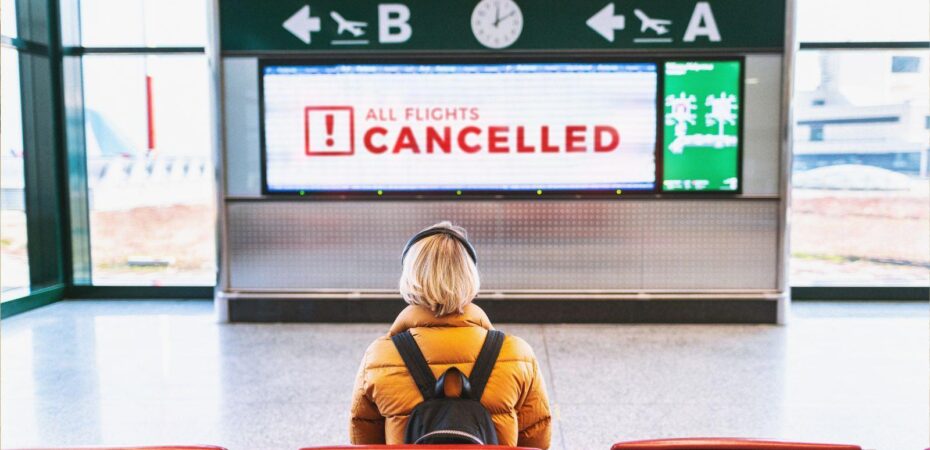
Someone at a barbecue last weekend told this story about getting stranded in Denver for two days after a connection got axed. Weather, apparently. The airline gave him a voucher for a future flight and basically said good luck with the rest. He figured the total damage was around $2,300 once he added up the hotel in Cancun he never made it to, the shuttle transfers, all of it. Two thousand three hundred dollars. Over weather.
And honestly? His situation wasn’t even unusual.
Skipping the Safety Net Because “It Probably Won’t Happen”
There’s a strange confidence people have when booking trips. Weeks of planning go into picking the hotel, finding the right flight times, budgeting for restaurants. Then the question of whether to get a trip cancellation plan comes up and it’s like… nah. That’s for anxious people.
Except it isn’t, really. It’s for anyone who’s about to put a few thousand dollars into non-refundable bookings and then hand control of the whole thing over to an airline. Which is what every traveler does whether they think about it that way or not.
The ones who bounce back from disruptions fastest? They tend to be the ones who spent an extra hundred bucks upfront. Not glamorous. But effective.
Believing Airlines Cover More Than They Actually Do
This misconception runs deep. A flight gets cancelled, and people assume the airline will handle everything. Rebooking, hotel, meals, the works. And to be fair, the DOT does require refunds on cancelled flights when the traveler chooses not to be rebooked. So that piece is covered.
But. (And this is a big but.)
The ticket is one thing. Everything else, the Airbnb that’s already paid for, the car rental deposit, the museum passes, that river cruise excursion? None of that is the airline’s problem. Especially if the cancellation was caused by weather or air traffic issues rather than something mechanical.
A lot of travelers find this out the hard way. The look on someone’s face when they realize their $900 hotel booking is just… gone. It’s not great.
Grabbing Whatever Seat Comes Up First
Panic makes people do expensive things. A gate agent announces the cancellation and suddenly everyone’s on their phone buying the first available ticket heading in roughly the right direction. Doesn’t matter that it costs $600 more than the original flight. Doesn’t matter that it routes through two extra cities. The survival instinct kicks in and rational thinking checks out.
In many cases, waiting even a couple hours reveals better options. A morning flight instead of a miserable red-eye. A different carrier with open seats at a normal price. But those options require a level of calm that cancellations don’t really encourage.
Letting the Evidence Disappear
This one’s almost embarrassing to bring up because it’s so simple. But people consistently forget to screenshot the cancellation notification, photograph the departures board, save the boarding pass, keep the receipt from the airport hotel.
Then the insurance claim form shows up. Or the credit card dispute process starts. And there’s just… nothing to submit.
A coworker went through this after a Miami trip fell apart. Had a solid claim, good coverage, everything lined up. Denied because she couldn’t prove when the cancellation happened or what she spent on the emergency overnight. She’d deleted the airline’s notification email thinking it was junk.
Forty-five seconds of screenshotting. That’s all it would’ve taken.
Not Reading the Entry Requirements for the Destination
Ok, this one’s technically not an airline cancellation. But the financial effect is identical so it counts.
The State Department publishes a travel checklist that covers visa requirements, passport validity rules (a lot of countries want six months remaining, which catches a surprising number of people), medication restrictions, all of it. Incredibly useful resource. Almost nobody actually looks at it.
What happens instead is someone shows up at the gate and gets told they can’t board. Passport’s expiring too soon, or the visa wasn’t processed, or there’s some documentation issue nobody thought to check. The airline treats this as the traveler’s fault, which… technically it is. No refund. No rebooking. Nothing.
A guy from my gym lost about $2,800 this way trying to fly to India. Visa timing issue. He was convinced he’d sorted it. He had not sorted it.
Sitting on Credit Card Benefits Without Knowing They Exist
Here’s something that really doesn’t get enough attention. Plenty of premium travel credit cards already include trip disruption benefits. Trip delay reimbursement, cancellation coverage, sometimes both. But the catch (there’s always a catch) is that the trip needs to have been booked on that specific card, and claims usually have a filing deadline.
Most cardholders have no idea these benefits exist until it’s too late to use them. The fine print on card benefits is genuinely dense. Nobody reads it for fun. But checking it before a big trip takes maybe ten minutes, and it could end up being the difference between eating a $1,500 loss and recovering most of it.
Throwing More Money at a Trip That’s Already Wrecked
This is the one nobody wants to hear. A cancellation ruins the first day of a four-day weekend trip, and instead of accepting it, the traveler spends $400 on last-minute rebooking to arrive a day late, exhausted, frustrated, with half the trip already gone.
Sometimes the smarter move is to take the refund and plan something else for another weekend. Walk away. Regroup. It feels wrong in the moment, because there’s this sunk cost pressure to make the original trip “work” no matter what. But chasing a ruined itinerary with more spending rarely feels like a win afterwards.
Anyway. Most of this is stuff that seems obvious after the fact. Beforehand, though? People skip the preparation, trust the airline too much, panic when things break, and forget to document any of it. It’s the same pattern over and over. And it keeps costing people money they didn’t need to lose.
 By
By 


