

Nowadays, university marketing strategies go much further than simple brochures and usual campus tours. The modern generation wants to feel an emotional attachment to a college before applying for admission there. That is why the use of AI drama is becoming quite popular among universities when creating their campus promotional campaigns.
Using Pippit software, educational organizations can easily convert boring campus videos into creative visual stories about life, academics, sport, science, and fun events on the campus. With storytelling techniques, animation, movie-style transitions, and realistic scenes, universities can effectively promote their educational organization on social media without hiring large teams of actors and directors.
Today’s generation of students does not spend time watching boring videos of classrooms; instead, they want to have something emotional that can capture their attention immediately. Using drama technologies, universities can show potential students not only life on their campuses but also a full story of their studies, starting from the first day and ending with graduation.
How movies tell stories effectively for recruiting students
Students do not only choose a study program; they decide on their way of life, study environment, and future social circle. Standard promotional materials do not succeed in addressing the emotions associated with studying.
Movie-like promotions can help here. Cinematographic shots that show sunrises over campuses, teamwork between students in laboratories, dynamic sporting events, and touching graduation ceremonies appeal more emotionally.
Here are some areas where educational institutions can leverage the power of storytelling:
- Campus inclusivity
- Academic successes of the institution’s students
- Student organizations
- Experiences of international students
- Learning spaces
- Physical activities
- Opportunities for career development
People will be more inclined to apply, visit the campus, and interact with promotional materials online once they become emotionally engaged with an institution.
Creating captivating narratives from everyday campus footage
Educational institutions already have photographs and videos saved in their marketing databases. However, making them engaging and contemporary enough is the real deal.
Here lies the importance of cinematic AI-based video generation. Rather than filming costly scenes several times, marketing departments may generate marketing campaigns out of available material with a dramatic pace and compelling storytelling and motion graphic techniques.
Campus library can be turned into a place of academic aspirations. A sports field can turn into the location of an inspiring underdog story. Even a regular interview with students can gain a cinematic touch with background effects and properly paced narrative.
The aim is not only to tell future students about the institution. The aim is to help them visualize their life at the university.
The power of emotional marketing in immersive student campaigns
The most effective university promotions tend to emphasize emotions rather than numbers. Figures do not lie, but the power of storytelling lies in emotions.
Imagine that your promotion campaign tells a story of a freshman getting through the first week at university. They may capture excitement during orientation, making friends in classroom settings, participating in campus activities and eventually succeeding academically.
Such storytelling makes students relate better to the video as they identify with the process.
Universities can make use of themes such as:
- Fitting in with the new surroundings
Those who are far from home for the first time tend to be worried about finding their place. Video material illustrating a community and a positive campus environment might help ease the concerns.
- Personal development
Film-inspired promotions might demonstrate how studying on campus promotes the development of one’s self-confidence, skills of a leader, and independence.
- Future successes
Career fairs, internships, and innovation labs will gain relevance and significance as parts of the student success story.
Why films are effective for boosting social media activity
Social media encourages emotionally captivating content. Film-style video material usually receives greater numbers of likes, shares, comments, and views than standard promotional content.
Examples of film-based university promotion across social networks:
- TikTok
- Instagram Reels
- YouTube Shorts
- Facebook campaigns
- LinkedIn university pages
Rather than providing standard campus walk-throughs, universities should produce episodic stories that cover various themes within campus life.
For example, in one week, the topic might revolve around life in the dormitories. In another week, international students might receive special attention. Other topics include entrepreneurial opportunities or creative faculties at universities.
Injecting cinematic elements into campus stories
With cutting-edge creative software tools, colleges today have an opportunity to experiment with visual elements that used to be available only in high-end production facilities. With the help of Seedance 2.0, marketers working within the education industry will be able to produce seamless transitions, camera techniques, dynamic storytelling, and other cinematic elements that transform their recruitment efforts into engaging visual content.
This way, small institutions will be able to keep up visually with bigger colleges while retaining the authenticity of their messaging.
Creating engaging campus stories with cinematic elements using Pippit
The process of developing immersive promotional materials doesn’t necessarily have to be challenging. Using Pippit, educational marketers will find it easy to create cinematic videos with the help of AI-driven tools.
Here are a few steps to take when developing a cinematic short drama using Pippit.
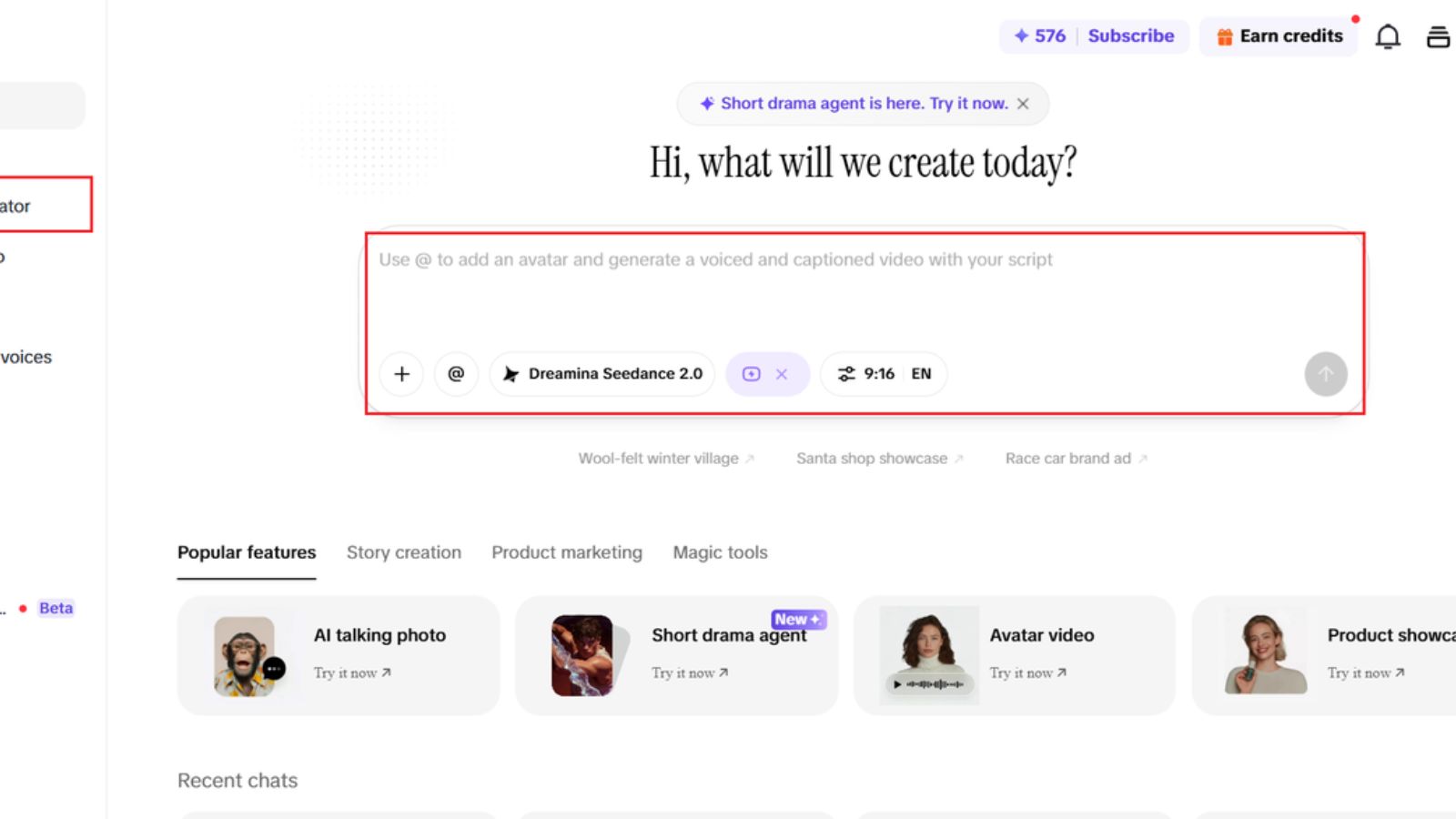
Step 1: Launch the video generator
To start working on a cinematic video, begin by logging into your Pippit account and clicking on “Video generator.” Describe your short drama in the prompt bar, and then upload college pictures or videos that include shots of classrooms, student interviews, graduation ceremonies, or any other campus events.
Another idea is to use the following prompt: “Make a cinematic video showcasing life at the university campus recruitment program, including active student life, state-of-the-art facilities, touching graduation scenes, interaction between diverse groups of students, golden hour campus shots, inspiring environment, dynamic camera movement, and compelling storytelling suitable for social media promotion.“
Such prompts lead to the creation of videos with improved storytelling and visual aesthetics.
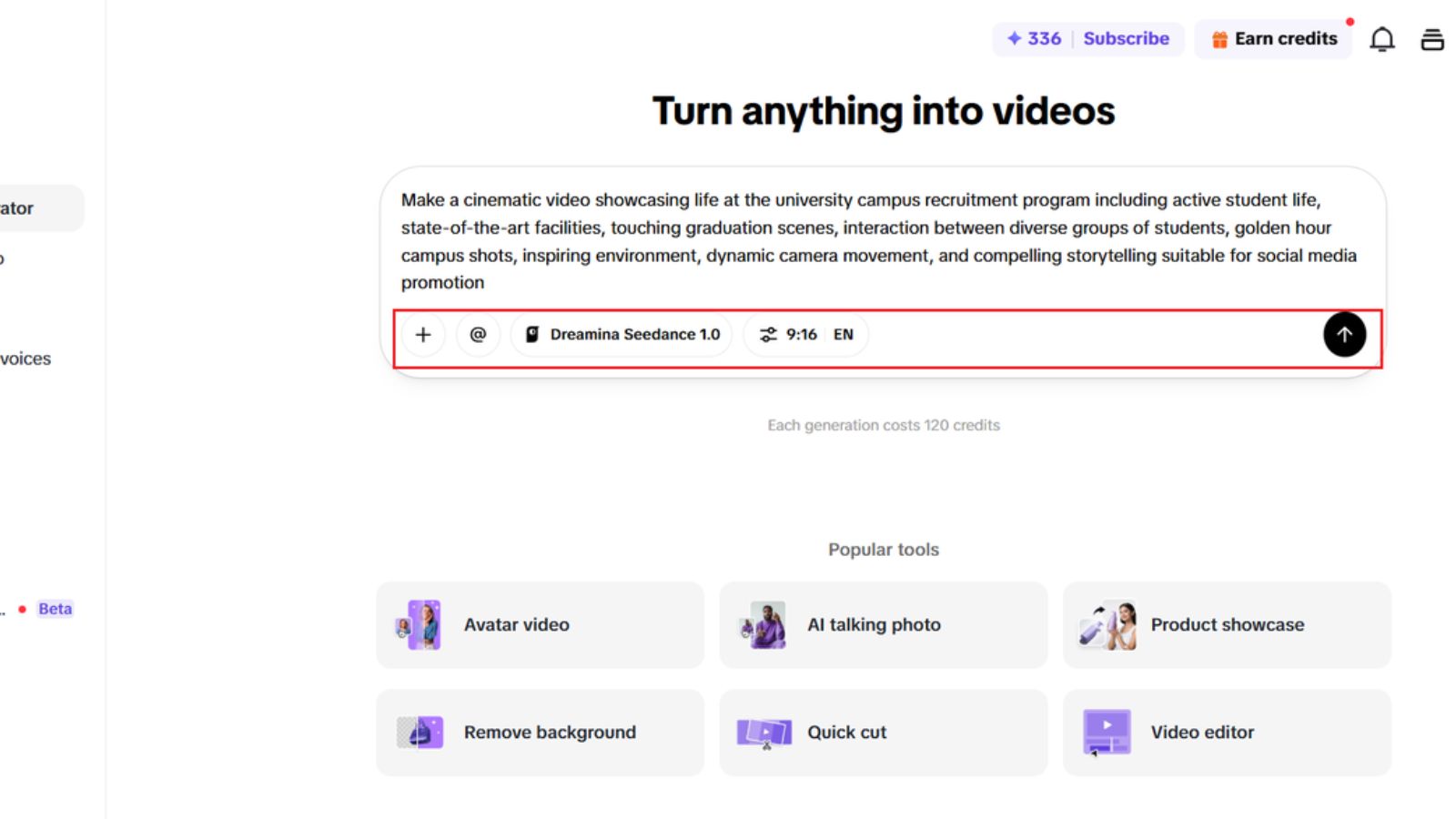
Step 2: Generate your short drama
Choose the model you want, such as Veo 3.1 for cinematic short drama or Sora 2 for 12 seconds seamless transition video. Change settings like aspect ratio, video length, and language. After that, press the button “Generate”.
In this step, universities have an opportunity to try different approaches to storytelling depending on the target audience. For instance, energetic short clips would be perfect for TikTok, while long emotionally charged stories could do good on YouTube or the website’s landing page.
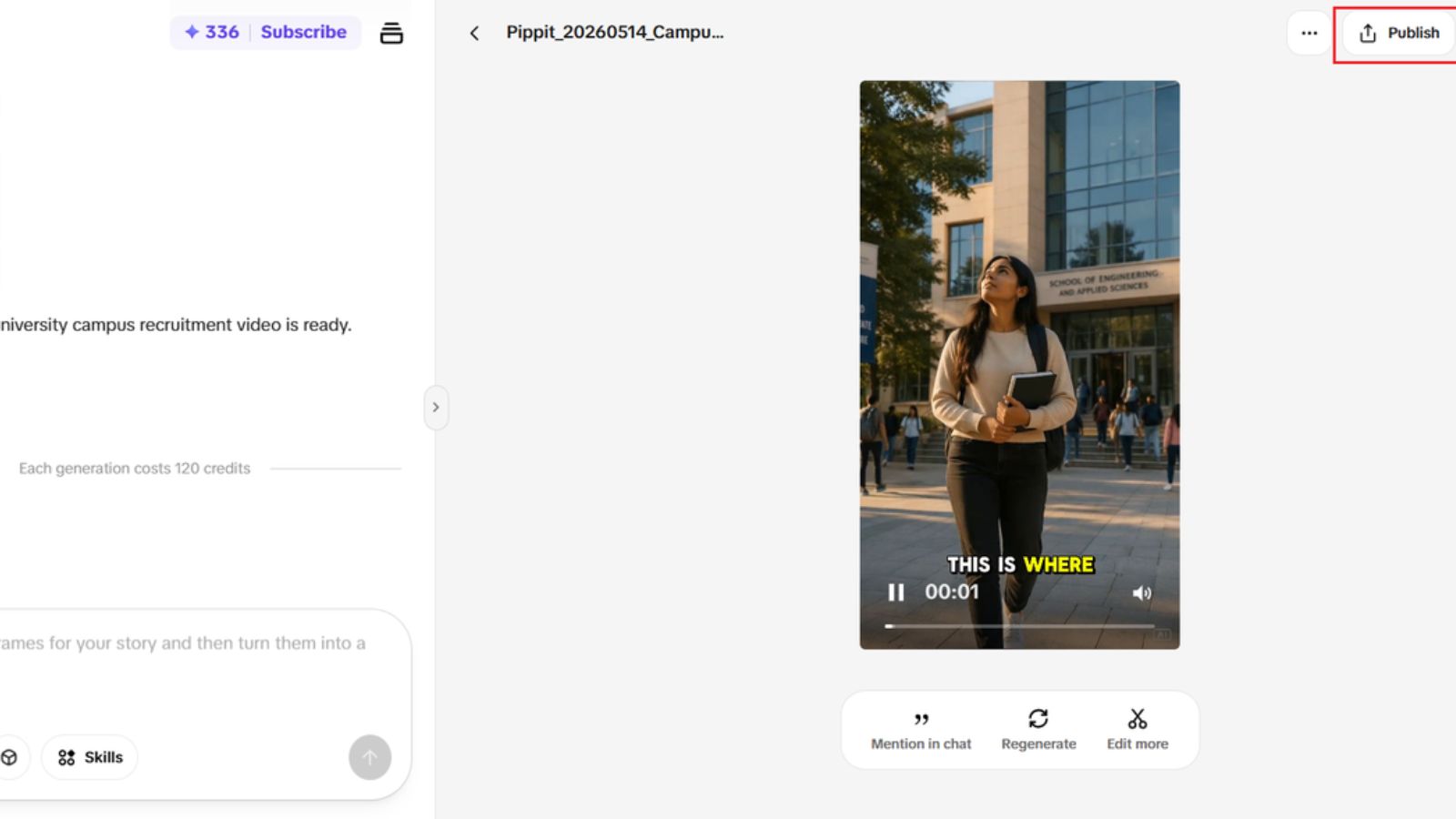
Step 3: Export your drama video
After generating the video, review it to identify any need for changes. Make any adjustments you require by modifying the prompt on the left side.
Pippit’s advanced editing tools are accessible by clicking “Edit more” to make adjustments to your drama content. Click the “Download” button in the upper right-hand corner to download your drama content locally. You can even click “Publish” to give Pippit the responsibility of distributing your short drama.
This simplified process enables universities to generate professional marketing campaigns without the need for complex editing software and extensive creative staff.
Creative campaign concepts that universities can consider
There are a variety of creative marketing campaigns that universities can develop outside of traditional recruiting advertisements.
Day-in-the-life student stories
Highlighting the authentic experiences of a student’s daily life from morning lectures to evening recreational activities.
International student experiences
Focus on the experiences and success of international students in adjusting to their new surroundings and making friends.
Department-specific cinematic campaigns
Different departments can design unique and tailored video storytelling narratives. For instance, engineering departments could highlight innovation and technology, whereas arts departments could promote creativity and performing arts.
Graduation transformation stories
Create a video narrative about a student’s journey from their first day at university to graduation day.
Seasonal campus promotions
Highlighting the atmosphere of the campus during seasonal events such as fall festivals, athletic games, research exhibitions, or graduations.
Why immersive storytelling helps build trust
Today’s students are very selective in their educational options. An authentic emotional story will make your institution more accessible and relatable.
Cinematic storytelling will make your university appear more down-to-earth and approachable.
More importantly, visual storytelling will ensure that international applicants will not feel alienated and uncomfortable when studying at your institution.
A great visual story will give the feeling of familiar surroundings to prospective students who have yet to set foot on campus.
The future of university marketing lies in cinematic storytelling
Today’s digital world is constantly changing, and university marketers must evolve. Universities that adopt emotionally impactful storytelling techniques will differentiate themselves from institutions stuck with old-fashioned marketing approaches.
Students need to be inspired and made to feel a part of the process before making major decisions. Cinematic promotions will be helpful for this purpose.
With the help of Pippit, any educational institution will be able to turn ordinary campus visuals into engaging university promotion videos that capture attention and generate emotion.
 By
By 


