
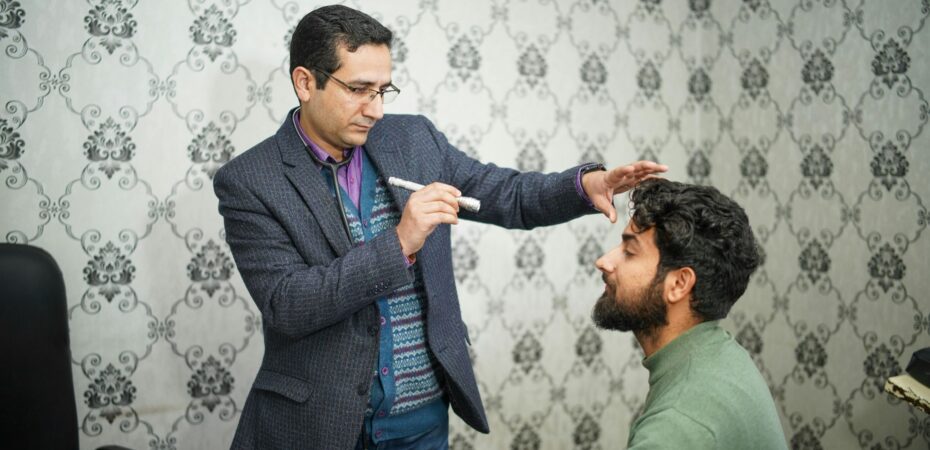
Hair loss is one of those issues that can stay quiet for a long time and then suddenly feel impossible to ignore. One day it is a slightly wider temple in a selfie or a thinner-looking crown under gym lighting. Then, almost overnight, it becomes something men start thinking about when styling their hair, booking a haircut, or walking into bright rooms. That change in awareness is one of the reasons more readers are now comparing solutions earlier and more seriously than before.
A big shift in the conversation has been the move from quick-fix curiosity to structured decision-making. Men are not only asking whether a procedure works. They are asking how clinics plan hairlines, how donor areas are protected, what level of physician oversight exists, how recovery affects daily life, and whether the total experience actually justifies the cost. In that comparison process, many naturally start exploring a hair transplant in Turkey because Turkey sits at the center of the global conversation around hair restoration.
The key point, however, is that price alone should never be the whole story. Value in this category comes from planning, transparency, technique selection, and realistic communication. Men who compare clinics only by package cost often miss the details that shape outcomes: how many grafts are appropriate, whether the proposed density is realistic, who performs the extractions and channel opening, and how aftercare is handled once the patient goes home. Those details tend to matter far more than the lowest number in a quote.
Technique is another point that deserves more attention. Many readers know the terms FUE and DHI, but far fewer understand what those methods mean for shaving requirements, implantation style, incision strategy, density goals, and recovery comfort. That is why a strong DHI vs FUE comparison can be more useful than ten generic marketing claims. Men who understand the technique side of the decision are far less likely to be swayed by vague promises and much more likely to ask smarter questions before booking.
Another trend shaping decisions in 2026 is the rising focus on “naturalness” rather than just density. Years ago, many patients judged success almost entirely by how full the final result looked. Now they are more likely to care about the design of the frontal line, age-appropriate density, temple framing, and whether the result will still make sense several years later. A clinic that talks only about maximum graft numbers without discussing long-term planning may not be thinking about the same outcome the patient actually wants.
Travel and logistics matter too. Men often underestimate how much peace of mind comes from a clear process: airport transfers, hotel planning, daily instructions, washing guidance, medication support, and responsive follow-up. Even patients who feel calm about the procedure itself usually become more confident when the practical steps are well explained. A high-involvement medical decision becomes easier when it feels organized rather than improvised.
There is also a psychological side to the search that should not be ignored. Many men spend months trying to decide whether they are “ready enough” for surgery. They compare topical products, oral medications, concealers, hairstyle changes, and lifestyle adjustments. None of that is irrational. In fact, it often helps men define what they really want. Some want to maintain what they have. Some want to restore a receding hairline. Some want to address crown thinning before it expands further. The clearer the goal, the easier it becomes to judge whether a procedure is appropriate at all.
That is why the smartest comparisons usually begin with five simple questions. Is the hair loss stable or still progressing quickly? Is the donor area strong enough? Is the clinic promising a realistic number of grafts? Does the proposed technique fit the case? And does the aftercare plan make sense for real life? Men who can answer those five questions usually move through the research phase faster and with much less confusion.
The temptation to chase “the cheapest deal” is still strong, especially when prices vary so widely. But cheaper is not automatically better value. Good decisions come from understanding what is included, what is realistic, and how the clinic explains the limitations as well as the strengths of the case. Confidence in a provider often comes less from hearing perfect promises and more from hearing practical, specific answers.
For readers comparing hair restoration options this year, the best mindset is not to rush toward a booking form. It is to build a decision framework. Learn the technique differences, understand donor management, look closely at long-term planning, and compare recovery support just as seriously as cost. That approach leads to better questions, better choices, and usually a better experience overall.
 By Jurgen Neustadt
Jurgen is a globetrotting adventurer with an unwavering thirst for travel. He craves the thrill of discovering new places, cultures, and flavors. Jurgen's life is a journey of exploration, where each destination offers a new chapter in his ongoing story of adventure and wonder.