
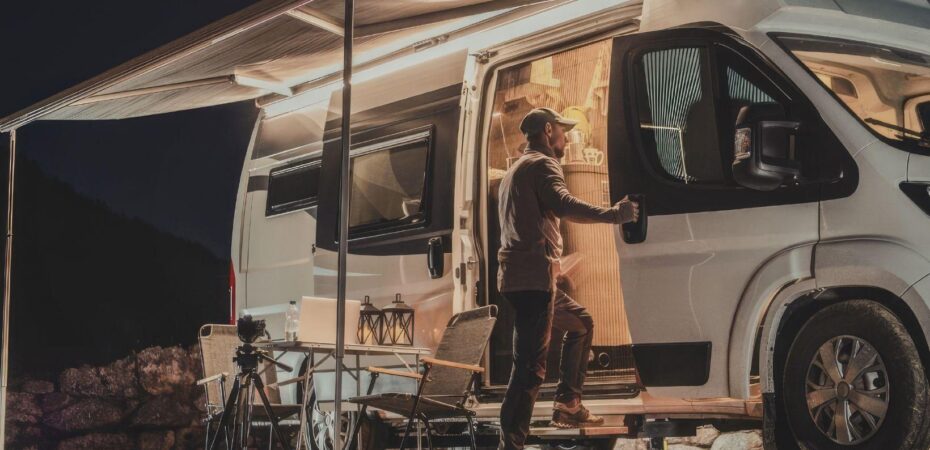
The hotel model is built around predictability. You check in at a fixed time, sleep in a room that could be anywhere, and plan your days around a single address. That’s not a criticism—hotels do convenience well. But if what you’re chasing is freedom in the truest sense (the kind that changes your pace, your route, and even your relationship with time), campervans play a different game.
A campervan isn’t just transport plus accommodation. It’s a mobile “base layer” that lets you make decisions late, change your mind often, and stay closer to the places you actually came to see. Here’s why that matters.
Freedom is mostly about options, not miles
People often describe campervan travel as “spontaneous,” but the real benefit is optionality. With a van, you don’t need to solve every problem in advance. You can carry your essentials with you—bed, basic kitchen, weather-proof shelter—and that changes how you plan.
With hotels, the practical questions start stacking up:
In a campervan, these aren’t emergencies. They’re just choices. You can stay put, move on, or pivot entirely without the penalty of wasted bookings or complicated logistics.
Late decisions become low-risk
The ability to decide at 4pm where you’ll sleep at 8pm is underrated. It means you can drive until the light turns golden, stop when you’re tired, and wake up where you actually want to be. That’s a fundamentally different travel rhythm than “get back to the hotel before check-in closes.”
Your “home” travels with you—so your trip feels bigger
One reason hotels can feel oddly tiring is that you keep rebuilding your routine from scratch: new layout, new parking, new breakfast rules, new noise. A campervan makes your routine portable. Same pillow, same mug, same little storage system that somehow makes life feel orderly.
This matters more than people expect. Familiarity reduces friction. Reduced friction gives you energy back—energy you can spend on the actual trip.
Around the middle of a longer journey, this advantage compounds. Instead of feeling like you’re constantly “arriving,” you start to feel like you’re simply living somewhere new each day.
You’re not limited to “hotel places”
Hotels tend to cluster where demand is predictable: city centres, tourist hubs, major roads. Campervans let you stay closer to the landscapes that don’t have a hospitality ecosystem built around them—quiet coastal stretches, dark-sky areas, trail networks, small villages where the best moment is the morning calm.
If you’re exploring the UK (or anywhere with a strong touring culture), it’s worth reading up on how to choose a van setup that matches the way you travel—especially if you’re new to it. Practical guides and local knowledge can help you avoid common first-timer mistakes like underestimating power needs or overpacking. For a useful reference point on layouts and touring considerations, you can browse Landseer Leisure as part of your research.
Campervans win on timing: sunrise, shoulder seasons, and “between” moments
Hotels sell nights. Campervans sell days. That sounds like wordplay, but it’s not.
A hotel stay often encourages a split: go out, do activities, return to base. With a van, your base is the activity in a subtle way. You can:
Those “between” moments—coffee with a view, an unplanned stop for a farm shop, an extra hour at a quiet beach—are where a lot of travel memories actually form.
Shoulder season becomes more appealing
In many regions, accommodation prices rise sharply during school holidays and peak summer weekends. Campervan travel can soften that problem because you have more flexibility: you can travel slightly off-peak, stay in simpler sites, or move more frequently. You’re less locked into the small number of properties with availability.
Control over your environment (and your comfort)
Hotels are comfortable—until they aren’t. Thin walls, overheated rooms, unpredictable pillows, the late-night corridor slam. Campervans aren’t silent luxury suites, but you control more variables:
If you like early nights, early starts, or simply quiet, that control is valuable. And if you’re travelling with kids or a dog, the benefits multiply: familiar surroundings reduce stress, and you’re not negotiating hotel policies at every stop.
Food freedom is real freedom
Even a basic campervan kitchen changes the budget and the experience. You don’t have to eat every meal out, and you don’t have to plan your day around restaurants. You can shop locally and eat simply—fresh bread, cheese, fruit, something warm after a wet walk. It’s not about being frugal for its own sake; it’s about being independent.
The hidden advantage: travel becomes more personal
Hotels are designed for broad appeal. Campervan trips tend to reflect the people taking them. Two couples can drive the same route and have completely different experiences because the van makes it easier to follow your own preferences.
Are you the type who:
Campervans accommodate those patterns without friction. You don’t need the destination to provide everything, because you bring your “infrastructure” with you.
How to get the freedom without the frustration
Campervan travel isn’t flawless. The freedom is real, but it’s easier when you respect the practical side. Here are a few principles that make a big difference (especially on your first few trips):
That’s the quiet truth behind campervan freedom: it’s not chaos. It’s well-managed flexibility.
Hotels still have their place—campervans just unlock a different kind of trip
There are trips where hotels are perfect: city breaks, one-night stopovers, events, business travel. But if your goal is to explore landscapes, move with the weather, and collect experiences that weren’t scheduled in advance, a campervan gives you a tool hotels simply can’t replicate.
Freedom, in the end, is the ability to change your plan without breaking your trip. Campervans make that feel normal—and once you’ve travelled that way, it’s hard not to miss it when you go back.
 By
By 


