
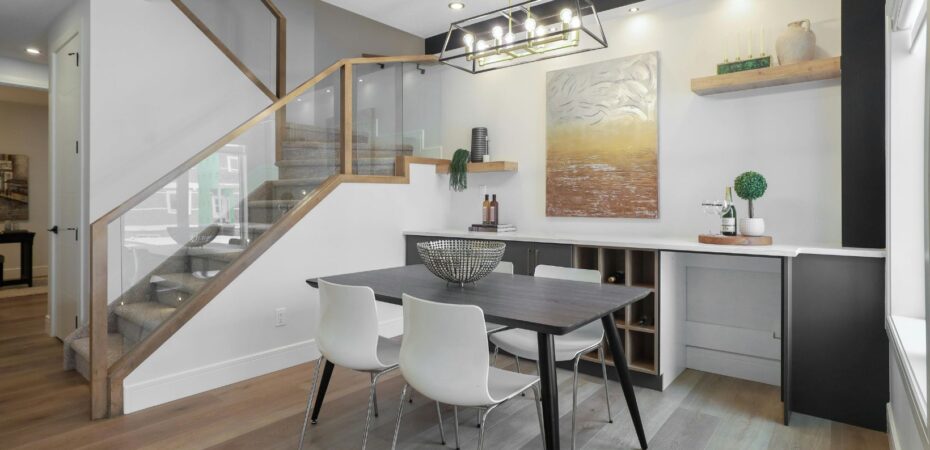
Most of the time travel in Germany is based around hotels, train routes and short city breaks. The hotel-model for travel works fine for 2-3 nights in a single location. When a trip is going to last longer; include both work and leisure; or involve multiple stops in different cities, the model of traveling using hotels, trains and city-breaks does not have to work so well. At that point, accommodations start to provide a daily structure for your travels.
Why do longer trips require different things from accommodations?
Once you go past the weekend length of your trip, the way you use an accommodation space begins to change. If you are booked at a hotel for a weekend, it’s possible you could easily get away with a small hotel room. However, if your trip goes on for 10 days, 2 weeks or even a month; the size of the hotel room will limit how much you can enjoy the rest of your trip. When you spend more time in a particular location, you begin to use the space for things other than resting after long days of travel. Clothes can now be unpacked instead of packed back up every morning and evening. Instead of eating at restaurants a couple of times a week, you’ll be cooking most meals. You’ll also be making phone calls for work; making plans for transportation; taking time to recover; and doing things like washing clothes and having breakfast in your accommodations. Temporary furnished apartments in Germany fit perfectly into the travel frame-work for longer trips. They provide the practical services that become important once you pass the stage of short-term tourism.
This transition is seen throughout several traveler types. Remote workers look for tables to work at; internet connection that they can rely on; and quiet environments. Families look for more space; options for food; and private beds for their children. Travelers on longer cultural tours typically want to settle down in a neighborhood and avoid walking around tourist areas that were developed primarily for transient visitors.
How the choice of neighborhood determines the quality of a longer stay
For short tourism, travelers tend to focus on landmarks and central districts of cities. However, for longer trips (1-2 weeks), this thinking has less influence on their decisions. A trip that lasts one or two weeks is more influenced by daily convenience than it is by being close to an attraction. Neighborhood quality becomes an important factor in longer trips. Quality of life factors such as grocery stores, pharmacies, bakers, public transportation, and quiet streets can positively affect the experience of a longer trip more than being a few minutes closer to a major attraction. In Germany’s large cities, this distinction is very important. Districts centered around business can be good for the workday, but may not be ideal for longer personal stays. Touristy areas can offer a lively atmosphere and ease of movement, however they may not offer comfort.
Districts that are residential, on the other hand, can provide a more regular pace of life. This can be beneficial for travelers who want to alternate day trips or museum visits with work; family responsibilities; or longer rest periods between activities. Residential areas can also promote a more local perspective of the destination. A traveler who purchases groceries; cooks; and walks through a neighborhood on a daily basis will see the city differently than a traveler who is staying in a hotel corridor that was designed primarily for fast turnaround.
When apartment-stays are a better option than hotels
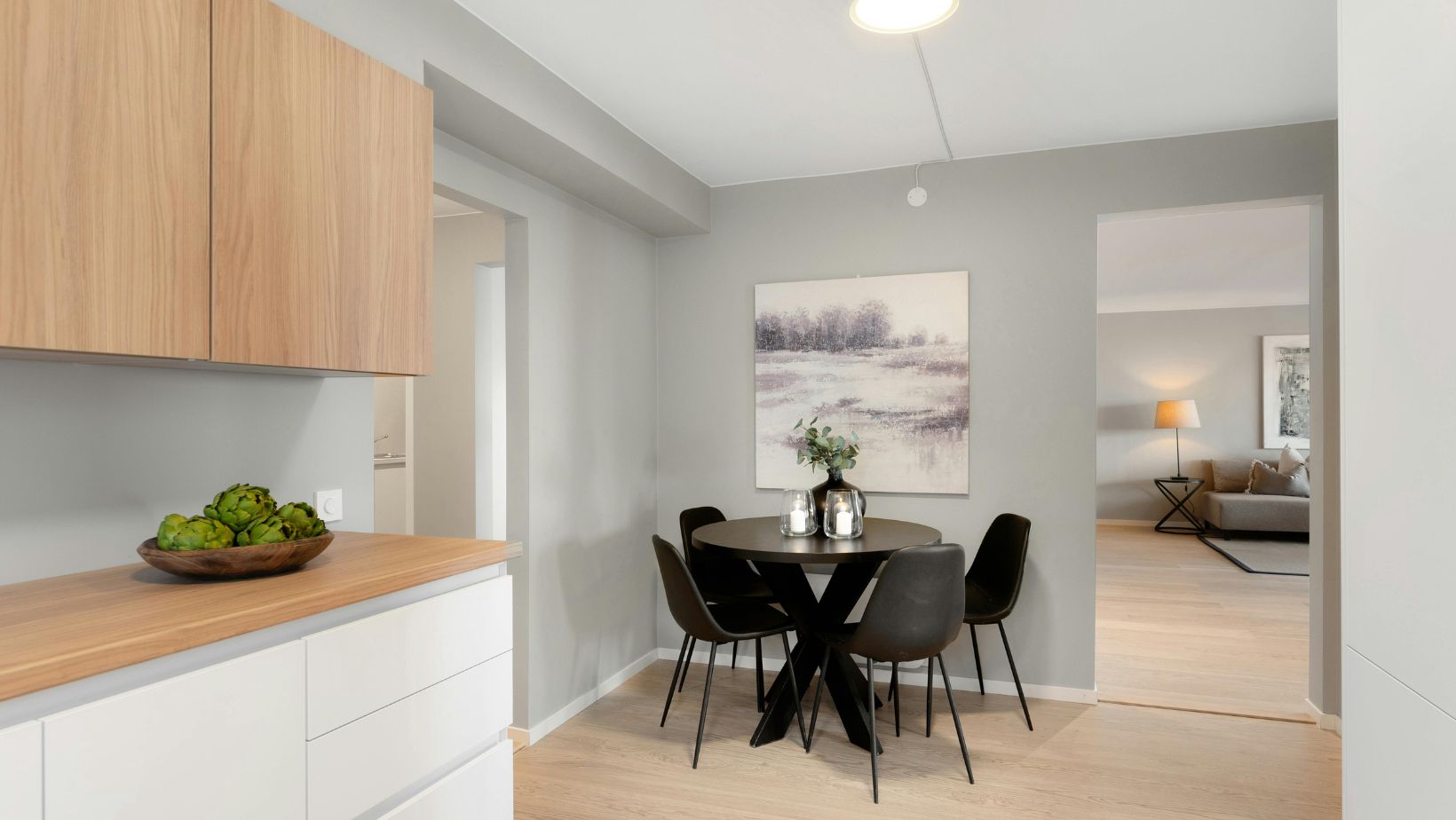
Hotels are still suitable for many occasions. One night prior to an early flight; a tightly scheduled conference; or a short stop between cities usually makes the speed and convenience of hotel infrastructure preferable. Hotels provide reception; daily housekeeping; breakfast service; and immediate check-in and out, all of which are valuable when a traveler is only going to be there for a brief period of time and has a highly structured itinerary.
However, the equation changes when the trip becomes more flexible or more local in terms of the rhythm of the trip. Apartment-stays are generally a better fit for travelers who will be remaining in the same city for longer periods of time; who will be working while traveling; or who prefer to have more control over meal times and the daily schedule. Apartment-stays also suit travelers visiting for festivals; medical treatments; language classes; academic programs; family visits; or travel involving multiple stops in a city for longer periods of time.
Apartment-stays also serve a number of travelers who are not traditional tourists. With modern travel; there are many travelers who are combining tourism with project-based work; preparing for a relocation; on temporary assignment; or spending extended amounts of time with friends and/or family. These travelers are still utilizing the tourism/mobility system; but they are looking for accommodations that are more akin to temporary housing than classic hospitality.
 By
By