

It is nearly midnight on a Tuesday. The house is quiet. A laptop screen illuminates the room. You aren’t checking emails or paying bills. You are staring at a flight confirmation page for a city you hadn’t considered two hours ago. The price is right. The dates work. Your cursor hovers over the “Book Now” button. You feel a physical thrum in your chest. You click.
This specific rush is addictive. It defies the logic of careful budgeting or months of itinerary building. Yet we keep doing it. We bypass the sensible approach to embrace chaos. This behaviour feels impulsive. It actually follows a distinct psychological pattern. We are responding to deep-seated cognitive triggers that make the immediate choice feel like the only choice.
The Appeal of Urgency
A ticking clock changes how our brains process value. When an airline website flashes a warning that only two seats remain at a certain price, our decision-making shifts. We stop analyzing the long-term pros and cons. We focus entirely on the risk of losing out.
This reaction connects to the “Mere Urgency Effect.” Our brains tend to prioritize time-sensitive tasks over important ones. We rather bet instantly via 22Bet on a match coming in minutes than betting on a tournament which will take place in a week, regardless of the odds offered. The same goes for travelling. An immediate demand of an expiring deal overrides the logical need to save money or check a calendar. Scarcity cues make an offer appear more valuable simply because it might disappear.
There is also a chemical reward involved. Finding a low fare creates “transaction utility.” This is the pleasure derived specifically from the deal itself rather than the value of the item. Securing a cheap flight feels like a victory. It releases dopamine. We feel savvy for beating the system or the algorithm. The pressure to book eliminates the paralyzing effects of overanalysis. We act on instinct.
Escaping Routine Without Planning Fatigue
Traditional travel advice suggests we should plan months in advance. We are told to research hotels and maximize our time. This approach often backfires. The mental load of organizing a perfect trip can be exhausting.
Psychologists describe “planfulness” as a general tendency to create detailed schemes and backup options. For many, this process becomes a source of anxiety. We get stuck in “analysis paralysis” or worry about making the wrong choice. Over-researching can ruin the excitement before the trip even begins.
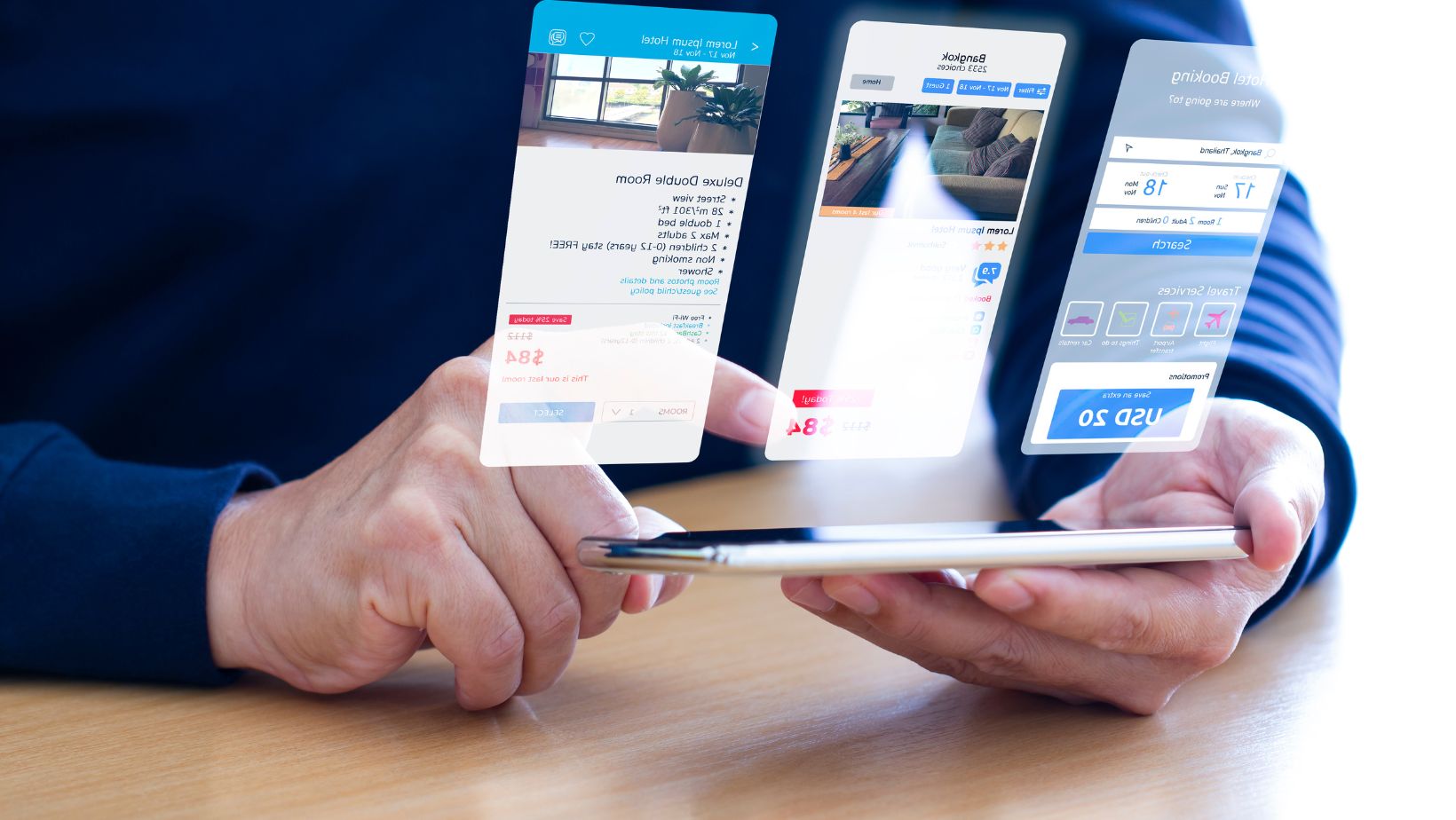
Spontaneous travel removes this weight. It forces us to accept uncertainty. We cannot obsess over the “best” restaurant because we don’t have time to read every review. High sensation seekers often avoid detailed plans for this reason. They prefer the freedom of a loose itinerary. This approach reduces the cognitive burden. The trip becomes a series of discoveries rather than a checklist of obligations.
The Identity Shift Effect
Booking a sudden trip allows us to step out of our daily roles. In our regular lives, we might be responsible employees or cautious parents. When we book a flight on a whim, we become adventurers.
This connects to a personality trait known as sensation seeking. It is defined by a desire for novel and intense experiences. High sensation seekers are more willing to accept financial or social risks to feel that intensity.
You don’t need to be a skydiver to feel this. Even a quiet person can experience the “disinhibition” associated with this trait. The act of leaving on short notice breaks the pattern of comfortable familiarity. It proves to us that we are capable of flexibility. We become more open to experience. This temporary shift in identity can be incredibly refreshing. It reminds us that we are not defined solely by our routines.
Memory Intensity and Emotional Peaks
Unexpected experiences often stick in our memory with greater clarity. When we plan every detail, we create specific expectations. The actual trip often struggles to measure up. We might feel let down if the museum is closed or the weather turns bad.
Spontaneity lowers these stakes. We arrive with fewer preconceived notions. A rainy day becomes an excuse to find a local café rather than a ruined itinerary item. This openness leads to higher well-being.
Novelty is a core motivation for travel. Our brains pay more attention when we don’t know what comes next. The emotional peaks of a last-minute trip feel sharper because they are surprises. We remember the scramble to pack. We remember the relief of making the flight. These moments create a narrative of resilience and excitement.
We return home with a story. This story is about how we trusted ourselves to handle the unknown. That feeling remains long after the credit card bill arrives.
 By
By 


