
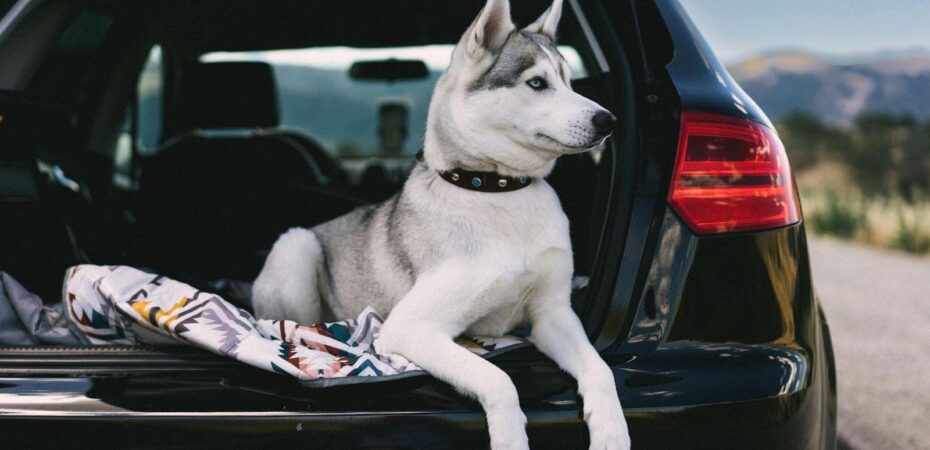
Most “panic stops” on a trip with your dog are not random. They usually come from predictable moments you can see coming if you know what to watch for.
The point of this article is to help you set up your car and your dog’s routine, so you stop getting forced into split-second decisions that put you, your dog, and other drivers at risk. Because the safest trips happen when your dog has one clear job in the car: stay in their spot and switch off. Here are a few pointers to help ensure that…
1. Pick One Spot For Car Rides
This is not about the destination. It is about your dog’s place inside the car.
Pick one sitting spot and keep it the same every time. Otherwise, when the spot changes, your dog has to re-learn balance and sightlines. If today they sit behind you, tomorrow they ride on the other side, and next time they are in the boot, you are basically resetting the rules on every drive.
Choose the easiest spot for them to stay calm. For many dogs, that is the back seat. For some dogs, especially those that cannot stop watching everything outside, a secure crate can help keep them in one place, especially if they’re already comfortable in one. Once you choose, treat it like a routine. The door opens, and the dog goes straight there.
2. Use Reastraints For Controlled Movement
Calm is not enough if your dog can still reach you. In a sudden stop, unrestrained pets become projectiles and can injure themselves or distract you at the worst time.
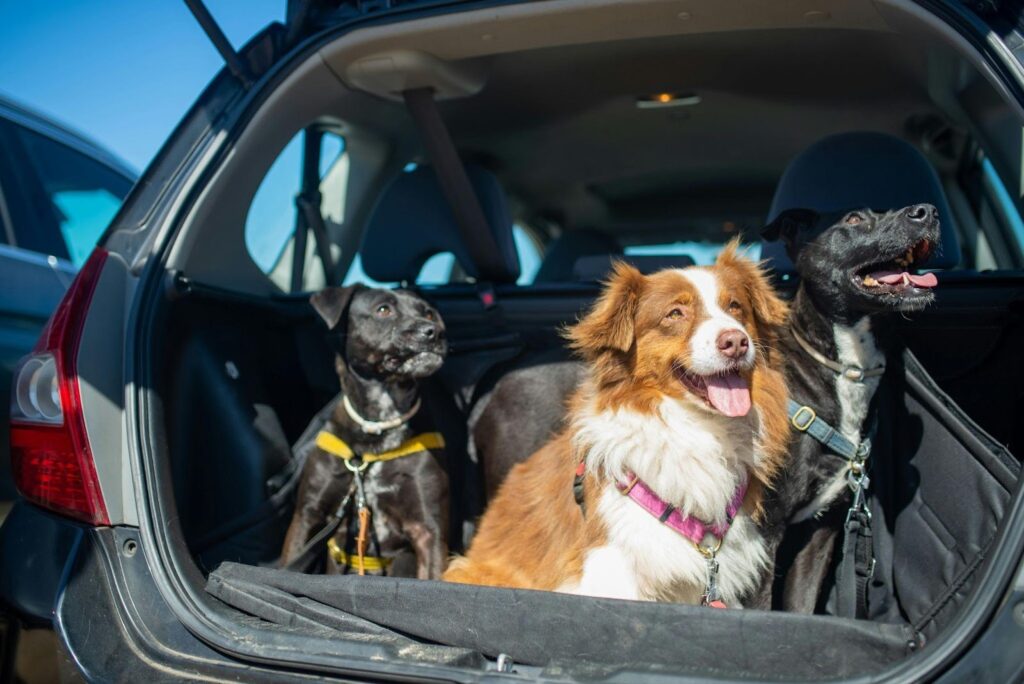
That is why dog harness no pull matter. The goal is simple: your dog can sit and lie down comfortably, but cannot roam or reach the front seats. A proper car harness with a seat belt attachment can work well when it fits correctly, and the tether is short enough. A crate can also work when it is fixed in place, and your dog is used to it.
Source: Pexels
3. Do A Quick Pre-Drive Comfort Check
Restlessness often starts with discomfort, not stubbornness. Doing a quick check before every drive helps ensure your dog will be safe and comfortable. Look at the straps and make sure they lie flat. Tug each clip so you know it is locked. Then watch your dog sit and lie down to make sure they’re not too restricted or uncomfortable.
If you’re using a harness, follow the harness maker’s fit guide. It should be snug enough that it can’t shift toward the throat or slip off, but not tight enough to rub under the front legs. If your dog rides in a crate, secure it so it can’t slide, and don’t assume any random crate is ‘crash safe’ just because it’s a crate. Look for independent testing where possible.
4. Teach A Simple Settle Routine
Your dog needs a clear pattern they can repeat. Get in. Clip in. Lie down. Stay down.
Start at home with a “down” command on a mat, then reward them for staying down longer and remaining calm. Once your dog can stay down for a minute or two without popping up, practice in the parked car. Engine off first. Then engine on. Then short drives.
On those first drives, your only goal is calmness. If your dog stands, do not try to fix it while driving. When it is safe, pull over, reset them into a down position, and continue. After enough reps, your dog stops scanning for action and starts treating the car like a place to rest.
5. Manage Food And Nausea
A dog that feels sick will not settle, even with perfect training. You may see drooling, lip licking, or repeated yawns that sometimes looks lik a gag.
So, skip big meals right before travel. Try giving them a smaller meal a few hours before you leave, then their normal meal once you arrive. Offer water in small amounts at stops, not huge gulps. If your dog has a history of car sickness, speak to your vet before the trip for a tailored guide on what can help reduce nausea.
6. Reduce Triggers
Some dogs get worked up because the outside world is busy. Bikes, people, other dogs, and fast-moving traffic can keep pulling their attention, which leads to jumping up again and again.
You can help by reducing what your dog can stare at. A crate naturally blocks the moving view. In the back seat, you can position your dog so they are not pressed against the window. Also, avoid letting your dog hang their head out of the window. It may look great in movies, but grit, sudden noise, and strong smells can flip a calm dog into an excited one very quickly.
Source: Pexels
7. Plan For Calm Stops
Stops should lower your dog’s energy, not spike it. When you pull in, clip the lead on before you unclip the tether. Give your dog a short sniff break, let them pee, offer a little water, then back into the car.
This is also where durable gear makes a real difference. A clip can bend, or a buckle slips at the worst moment, like at a busy stop, and your dog thinks it’s time to bolt. So, test anything new before the trip. Use it on a normal walk first, before taking it on the road.
8. What To Do If Panic Starts
If your dog suddenly panics while you are moving, keep your eyes forward. Do not reach back. Slow down smoothly, signal early, and pull over at the next safe spot.
Once parked, check for the trigger. Is the harness twisted? Paw caught in the tether? Something fell and spooked them? Fix the problem, take your dog on a short walk on the lead to calm them, then load them back in the car using the same routine.
Conclusion
A road trip goes smoothly when your dog’s world stays small and clear. One spot to ride, one routine to follow, and triggers reduced so your dog does not feel the need to react. Do that groundwork before the long drive, and you’ll spend your trip watching the road instead of watching your dog.
 By Gregory O'Neill
Greg is a modern-day explorer with an insatiable love for travel. His passion for adventure has led him to far-flung corners of the world, where he immerses himself in diverse cultures and experiences. Greg's zest for life is epitomized by a continuous pursuit of new horizons and captivating journeys.


