
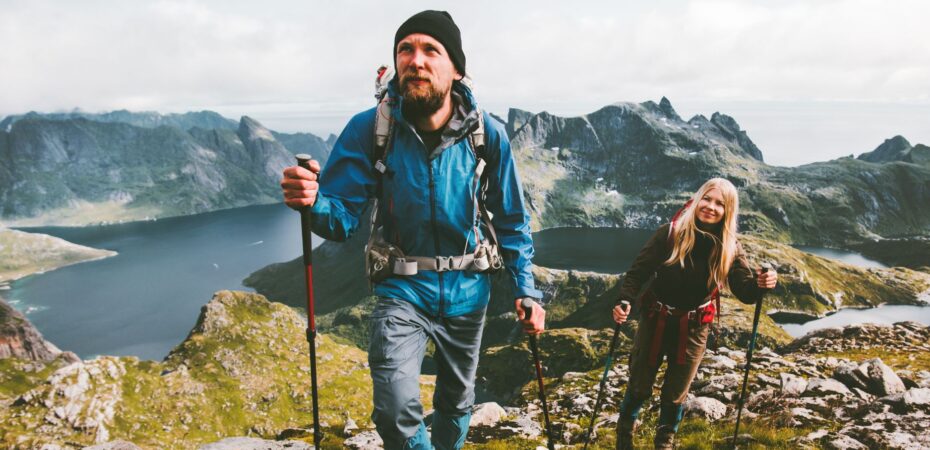
Tucked away in the North Atlantic Ocean between Iceland and Norway, the Faroe Islands are one of Europe’s most underrated destinations for outdoor travel. This dramatic archipelago of 18 volcanic islands is defined by steep cliffs, rolling green hills, and coastal paths that feel almost untouched by time. Whether you are setting out for a full-day hike or a gentle countryside walk, preparation matters in this ever-changing climate, and small comforts like tumbler cups can make long days outdoors more enjoyable by keeping drinks warm during cool, windy treks.
For travelers seeking a destination focused on nature, movement, and solitude rather than crowds and resorts, the Faroe Islands offer a rare kind of adventure.
Why the Faroe Islands Are Perfect for Hiking and Walking
The Faroe Islands are not about extreme altitude or technical mountaineering. Instead, they offer immersive, scenic hikes where the reward is found in sweeping views and quiet isolation.
What makes the islands special for hikers:
- Short distances between trails and villages
- Well-maintained paths through open landscapes
- Coastal cliffs with uninterrupted ocean views
- Minimal crowds compared to mainland Europe
- A strong local culture tied to land and nature
Many hikes begin directly from small villages, allowing travelers to experience both rural life and wild terrain in a single outing.
Landscapes That Feel Almost Unreal
The scenery in the Faroe Islands feels raw and cinematic. Vast grassy slopes plunge into the ocean, waterfalls spill directly into the sea, and fog drifts across ridgelines, constantly changing the mood of the landscape.
Common terrain includes:
- Cliffside coastal paths
- Rolling hills with soft grass underfoot
- Rocky headlands shaped by wind and waves
- Narrow valleys carved by ancient glaciers
Because the islands are relatively compact, hikers can experience multiple types of scenery in one day without long transfers.
Iconic Hiking Routes to Explore
The Faroe Islands offer a wide range of hikes suitable for different fitness levels.
Some are gentle walks, while others involve steeper climbs with dramatic viewpoints.
Slættaratindur Summit Hike
Slættaratindur is the highest peak in the Faroe Islands. On clear days, hikers can see across multiple islands.
Why it stands out:
- Moderate difficulty
- Panoramic views
- Accessible trailhead
Sørvágsvatn and Trælanípa
This is one of the most famous walks in the Faroes, featuring the optical illusion lake that appears to float above the ocean.
Highlights include:
- Clearly marked trail
- Ocean cliffs and lake views
- Suitable for most walkers
Kalsoy Lighthouse Walk
This narrow island offers a linear hike leading to a remote lighthouse perched above the sea.
Expect:
- Exposed coastal views
- Windy conditions
- One of the most photographed locations in the Faroes
Saksun to Tjørnuvík
A longer route connecting two picturesque villages through mountain terrain.
Best for:
- Experienced hikers
- Full-day outings
- Deep immersion in Faroese landscapes
Weather Awareness and Trail Conditions
The Faroe Islands are known for unpredictable weather. It is not uncommon to experience sun, fog, rain, and wind all in the same day.
Important preparation tips:
- Check forecasts daily
- Start hikes early for better visibility
- Wear waterproof layers
- Expect muddy sections on grassy trails
The terrain itself is generally safe, but cliff edges can be exposed. Staying on marked paths is essential, especially in fog.
What to Pack for a Faroese Hiking Trip
Packing correctly makes a significant difference when hiking in the Faroe Islands.
Essentials include:
- Waterproof jacket and pants
- Sturdy hiking boots with grip
- Layered clothing for temperature changes
- Map or offline navigation app
- High-visibility clothing in foggy conditions
Reusable food and drink containers are especially useful on longer walks where there are no cafes or shelters along the way.
Respecting Nature and Local Traditions
Much of the hiking land in the Faroe Islands is privately owned, and access is based on respect rather than mass tourism infrastructure.
Responsible hiking practices:
- Pay access fees where required
- Close gates behind you
- Stay on designated paths
- Avoid disturbing sheep and wildlife
- Take all waste with you
Supporting local guides is also encouraged. Guided hikes provide cultural insight and help maintain trail systems.
Best Time of Year to Visit
The ideal hiking season in the Faroe Islands runs from late May through early September.
Seasonal highlights:
- Summer offers long daylight hours
- June and July provide the greenest landscapes
- Shoulder months have fewer visitors
- Winter hiking is not recommended due to weather
Fog can occur year-round, so flexibility is key when planning routes.
Who the Faroe Islands Are Best For
This destination is ideal for travelers who value experience over convenience.
Best suited for:
- Nature-focused travelers
- Hikers and long-distance walkers
- Photographers and creatives
- Travelers seeking quiet, uncrowded places
Those expecting luxury resorts or nightlife may find the islands too slow-paced, but for outdoor enthusiasts, that is part of the appeal.
Final Thoughts
Hiking in the Faroe Islands is not about ticking off famous peaks or chasing extreme challenges. It is about moving through landscapes that feel ancient, open, and deeply connected to nature. Each walk offers a sense of calm and perspective that is increasingly rare in modern travel. With thoughtful planning, respect for the land, and practical gear, visitors can explore one of the most distinctive hiking destinations in the world at their own pace.
 By Jurgen Neustadt
Jurgen is a globetrotting adventurer with an unwavering thirst for travel. He craves the thrill of discovering new places, cultures, and flavors. Jurgen's life is a journey of exploration, where each destination offers a new chapter in his ongoing story of adventure and wonder.