
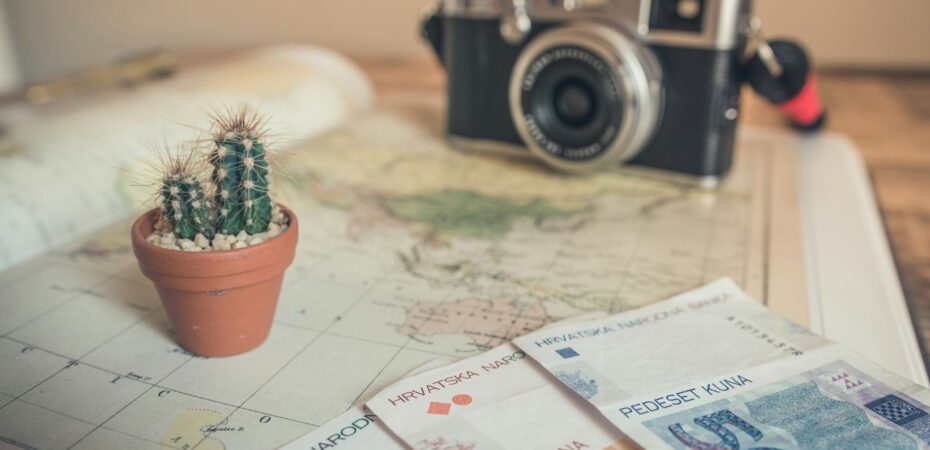
There’s nothing like a trip to lift the spirit, but money worries can quickly ruin the experience. From odd exchange rates to surprise fees, even the savviest traveler can end up spending more than they planned. Managing cash while traveling abroad means more than just saying “no.” It involves sketching a budget, logging each purchase, and picking options that let you savor each adventure without worry. If you plan and adopt a couple of smart habits, your money will go farther than you think.
Managing Everyday Costs on the Road
Controlling your entertainment budget is just as important as keeping track of meals and transport, particularly when you’re passing through major hubs like Hong Kong. Travelers often look for ways to relax, streaming shows, playing mobile games, or occasionally trying online casino games during quieter evenings. Online betting may be illegal in Hong Kong, yet dozens of foreign operators still legally serve the market and allow players from a range of regions to join. For those looking for a reliable platform while traveling, breakdowns that look at the best HK online casinos are handy. Many of these apps usually list the cost up front, run smoothly on mobile devices, spell out how payouts work, and give you a way to limit spending, making entertainment on the road both cheap and steady.
Beyond digital entertainment, everyday spending can quietly add up. At Singapore’s Changi Airport, a coffee typically retails for SGD $7 to $9; a day pass for Lisbon’s metro, on the other hand, is priced at about $6.60. Even small purchases, like snacks or bottled water, accumulate over time. Using a budgeting app like Trail Wallet or TravelSpend helps you watch your outlays and stay on track. A few minutes each day, noting what you’ve spent, keeps surprises to a minimum and allows you to adjust in real time.
Prepare Before You Fly
Set up your finances now, and you’ll find managing money on the road far less stressful. Research the normal cost per day for food, travel, and a place to stay where you’re heading. Websites like Numbeo, BudgetYourTrip, and XE Currency let you see practical costs for food, travel, lodging, and sights. For example, a traveler might spend around USD $45–$55 per day in Thailand, compared to USD $120–$150 in France. When you know the costs, you can craft a budget that truly mirrors the expenses of your chosen spot.
By putting travel cash into its own bucket, you take the pressure off your regular budget. Digital banks, including Revolut, Monzo, and Wise, let you earmark a weekly amount into a distinct account, often called a vault. By isolating travel money from regular spending, you gain a clear view of your progress and steer clear of accidentally spending those dollars on routine items.
Getting the correct cards, debit, gift, or reward, is equally important. Banks like N26, Monzo, and Chase UK offer accounts that minimize foreign transaction fees and refund certain ATM charges. Carrying a backup card provides peace of mind in case of loss or technical issues. Planning how much cash to carry for your first day is also crucial; typically $50–$100 is sufficient in most destinations for local transport and small purchases.
Smarter Payment Strategies Abroad
Once you arrive, having a variety of payment methods can make life easier. If you’re browsing a market or a corner shop, pulling out cash feels natural; for a hotel stay or a rail pass, swiping a card saves you hassle. Some countries, like Japan, still favor cash in smaller establishments, whereas in Europe, Visa or Mastercard are widely accepted.
Little-known fees often rise rapidly; staying alert can stop them in their tracks. Dynamic currency conversion, where you are asked to pay in your home currency rather than the local one, typically comes with poorer exchange rates. Use the host country’s cash, and you’ll dodge needless costs. Pulling a bigger chunk of cash less often from ATMs cuts the fee you pay each time, letting you keep more money over an extended trip.
Collecting points and rewards lets you stretch a budget. You can earn points through many banks and airlines and then swap them for flights, hotel rooms, or meals. If you put 15,000 Avios into a booking, you could cover a brief European leg and keep the cost low without skimping on the experience.
Accommodation, Food & Transport Savings
The place you book and the way you get there directly shape how much you spend. Staying slightly outside city centers can reduce nightly costs significantly, often by €20–€40 per night, without losing easy access to key attractions. Looking to stretch your travel budget? Try budget hostels such as Generator or YHA, which come with communal kitchens that let you whip up your own meals and trim down the bill.
Little changes to your food choices can produce a big impact. Every week, markets, bakeries, and supermarkets stock meals that are both fresh and easy on the wallet. Picture picking up a rice ball at a Japanese convenience store for about ¥150 to ¥250, then looking at a Spanish Menú del Día that usually costs €10 to €15. Cooking a few meals or choosing these options over restaurants can free up money for other activities.
You can also cut costs on transportation. Using public transport passes, such as Lisbon’s Viva Viagem card or Bangkok’s BTS day pass (~THB 150), keeps costs predictable. Walking and cycling not only save money but also allow you to see more of your surroundings up close. In some cases, overnight trains can double as both transport and accommodation, providing a two-in-one saving.
Staying Safe and Secure With Your Money
Think of your money and cards as assets that need to be secured. Distribute cash and cards between multiple bags or pockets, and make use of secure hotel safes when available. Choosing travel-focused accessories, like a sturdy Pacsafe pouch or a wallet that blocks RFID signals, means you’re guarding passports, cards, and cash from theft or being left behind.
It’s smart to keep a modest cash cushion, about $50 to $100, on hand for things like transport hiccups or a spur-of-the-moment buy. Store scanned versions of your passport and contact cards in a secure, encrypted cloud such as Google Drive or iCloud, then you’ll have instant access if you ever need them.
Keep ATM safety in mind as well. Use ATMs inside reputable banks; they’re usually in lit, busy places, unlike quiet machines hidden far away. It lowers the chance of fraud or mistakes and lets you feel secure when you pull cash overseas.
Conclusion
Managing money while traveling doesn’t have to be complicated. Plan a little, note what you spend each day, and pick sensible options; then you’ll travel free of constant money anxiety. When you mix free finance trackers, low-fee bank services, and a routine of checking your balance each morning, you’ll stretch your dollars farther and still get to see all the local attractions. Whether you’re sampling affordable meals or enjoying quiet entertainment in the evening, a thoughtful approach to money means you can focus on what really matters, making the most of every journey.
 By
By 


